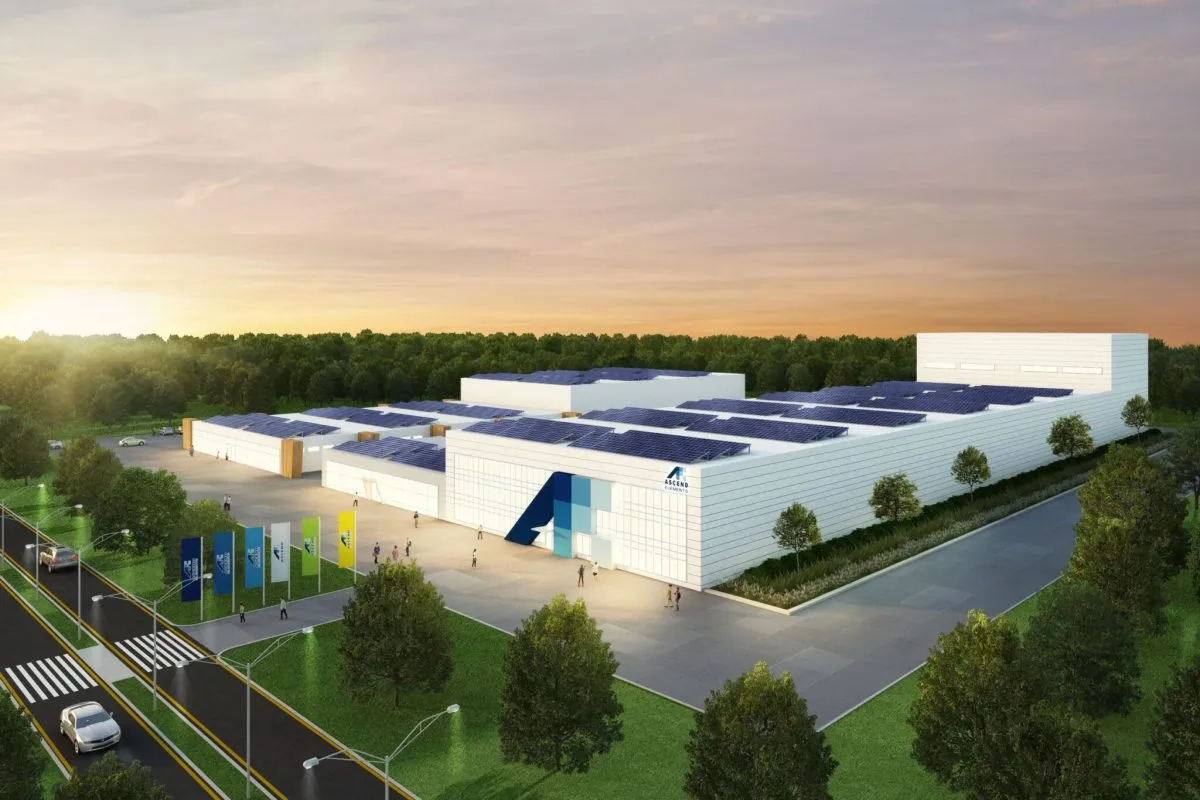
Ascend Elements, one of the more closely watched names in lithium-ion battery recycling, has filed for Chapter 11 bankruptcy - a blow to an industry that many had hoped would become a cornerstone of America's clean energy supply chain.
According to reporting by TechCrunch, the company cited two key factors in its filing: the cancellation of a government grant it had been counting on, and a broader market downturn that has made conditions especially tough for battery recyclers right now.
Why this matters beyond the headlines
Battery recycling isn't a niche concern. As electric vehicles become more mainstream and consumer electronics continue to pile up, the question of what happens to spent lithium-ion batteries is becoming genuinely urgent. Recyclers like Ascend Elements were supposed to be part of the answer - recovering critical minerals like lithium, cobalt, and nickel to feed back into new battery production, reducing the need to mine fresh materials.
When a company in that space hits the wall, it's worth paying attention. It signals that the path from promising clean tech startup to viable business is still brutally difficult, even with government support in the mix. Especially, it turns out, when that support gets pulled.
The grant cancellation factor
Losing a government grant mid-stride is the kind of thing that can unravel even a well-run operation. These grants aren't just nice-to-haves for companies in capital-intensive industries like battery processing - they're often baked into financial planning from early on. When one disappears, it can trigger a cascade that's hard to recover from quickly.
Combined with a lithium-ion battery market that's been under pressure - driven by oversupply concerns and shifting demand dynamics - Ascend Elements found itself caught in a difficult squeeze.
What comes next
Chapter 11 isn't necessarily the end of the road. It's a reorganization process, which means the company could potentially restructure its debts and emerge in some form. But it does raise real questions about the viability of the battery recycling sector more broadly, and whether current market conditions and policy reliability are enough to support the kind of investment this industry needs.
For anyone watching the EV transition or interested in how the U.S. builds out a more self-sufficient clean energy economy, this one is worth following. The underlying need for battery recycling hasn't gone away - if anything, it's growing. The harder question is how to build businesses around it that can actually survive the messy middle ground between policy ambition and market reality.