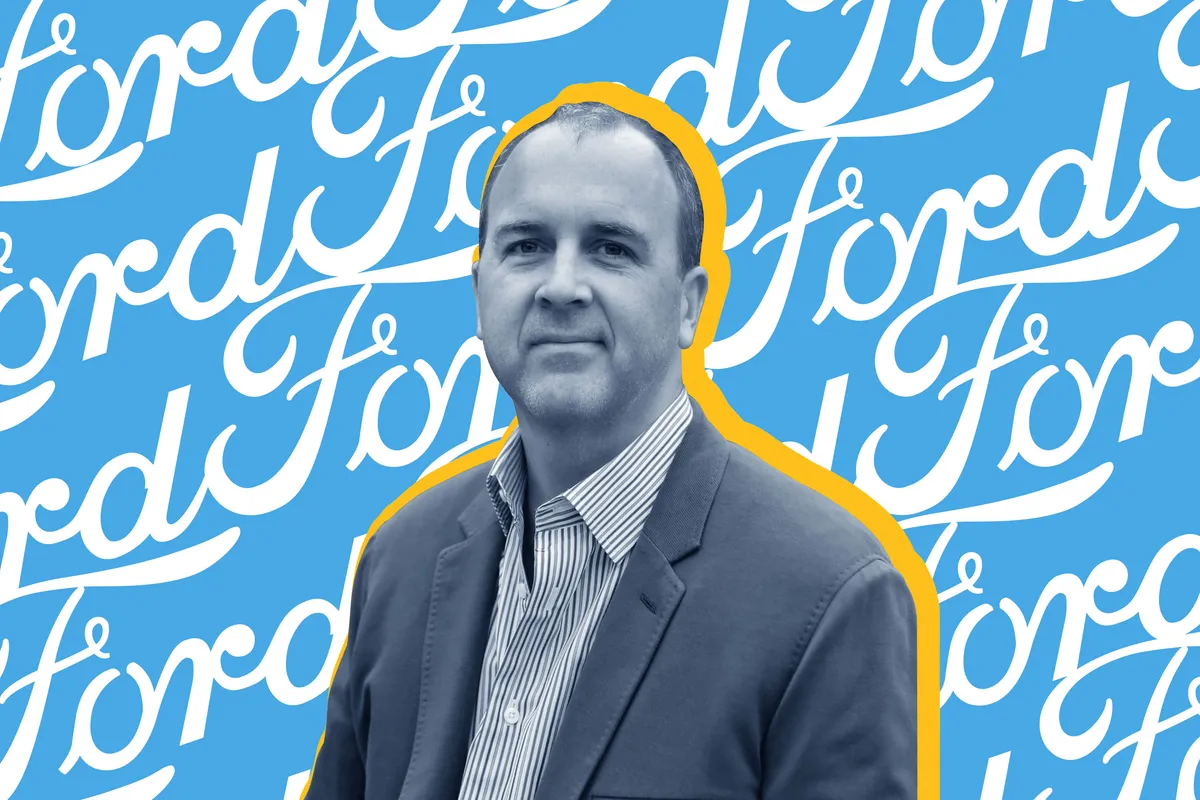
Ford is making another big move in its electric vehicle strategy - and this one comes straight from the top. Doug Field, the executive who left Apple five years ago to lead Ford's multibillion-dollar push into EVs and software, is stepping down next month, according to The Verge.
Stepping into his role is Alan Clarke, a former Tesla engineer who currently heads Ford's California-based skunkworks lab. Clarke's new title will be vice president of advanced development projects, and he'll keep his focus on one of Ford's most important bets right now: the Universal Electric Vehicle (UEV) Platform, which is designed to underpin the company's next generation of electric cars.

Why this matters
This isn't just an executive shuffle on paper. Field was a high-profile hire - someone who came out of the Apple ecosystem with serious credibility in tech and product development. His departure, less than five months after Ford announced major restructuring moves, suggests the company is still searching for the right formula to make its EV ambitions actually work at scale.
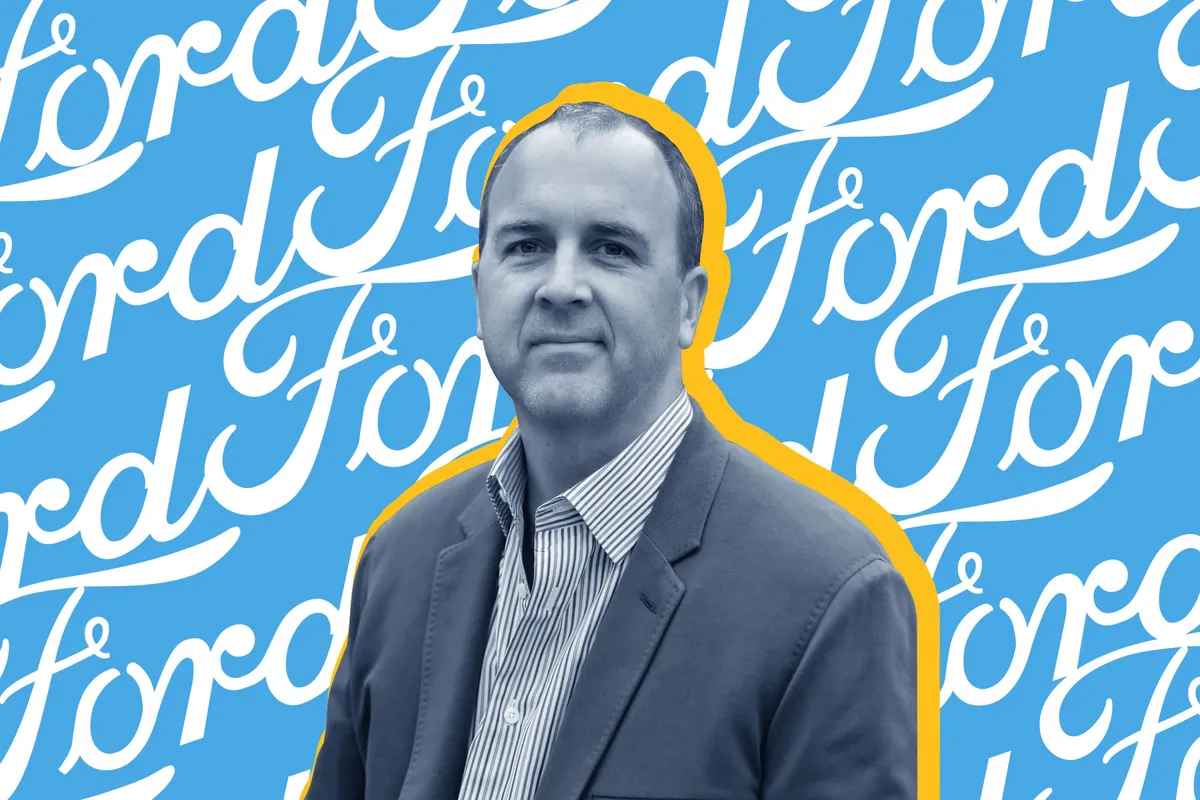
Clarke's background at Tesla is notable. Love it or hate it, Tesla essentially wrote the playbook on vertically integrated EV development, software-defined vehicles, and moving fast in a traditionally slow-moving industry. Bringing someone with that DNA deeper into Ford's leadership could signal a more aggressive, tech-forward approach ahead.
The bigger picture
Ford has had a complicated few years with EVs. The company made enormous investments and bold promises, but profitability in that division has been elusive. The UEV Platform that Clarke will continue developing is meant to be a foundation that makes future EVs more cost-effective to build - which is arguably the most important problem any legacy automaker needs to solve right now.
Whether Clarke can deliver on that is the real question. But the fact that Ford is turning to someone with deep EV-native experience - rather than another big-name hire from consumer tech - might actually be the more pragmatic move for where the industry is headed.
It's a story worth watching, especially if you care about whether legacy automakers can genuinely compete with the newer players who built their businesses around electric from day one.