If you've ever wondered what it looks like when two of tech's biggest personalities clash behind closed doors, the ongoing legal battle between Elon Musk and OpenAI is starting to fill in the picture - and it's not pretty.
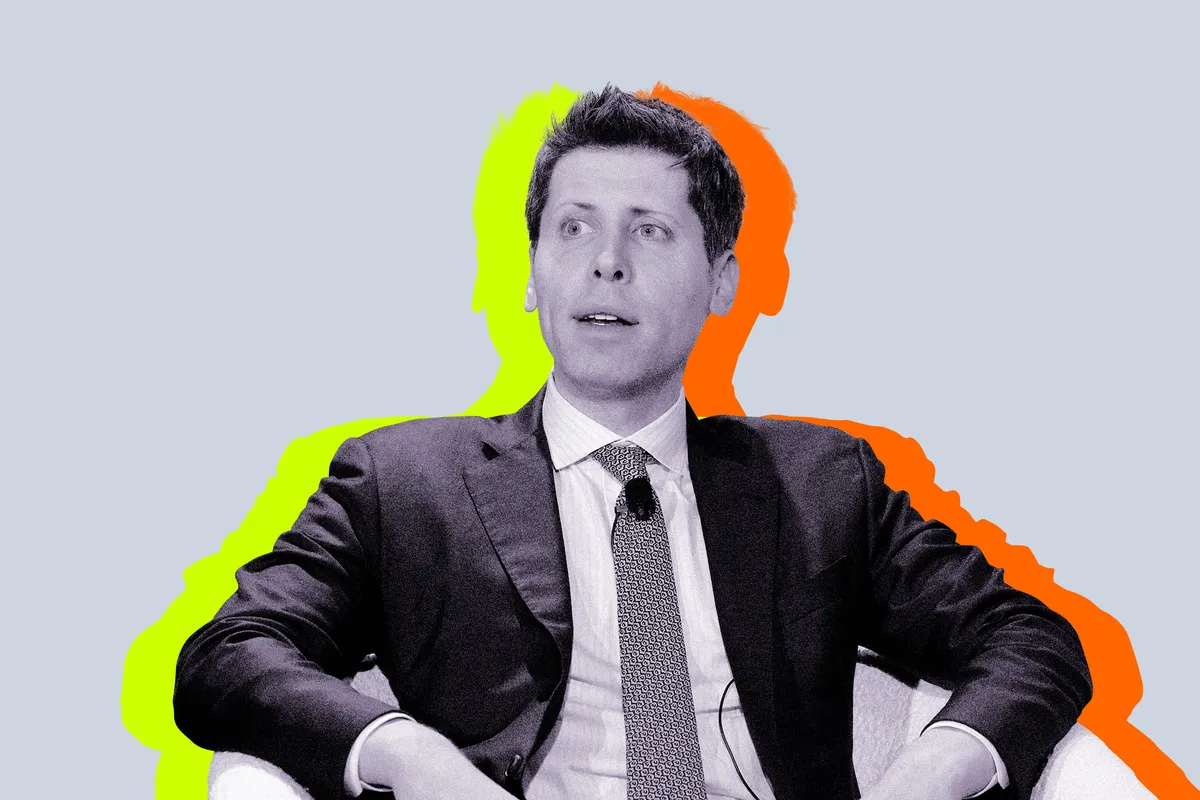
OpenAI CEO Sam Altman testified that Musk caused serious harm to the company's internal culture during his early involvement with the AI startup, according to reporting from The Verge. The testimony came as part of Musk's lawsuit against OpenAI, and Altman didn't hold back.

Ranking researchers like a performance review gone wrong
At the center of Altman's concerns was a specific directive from Musk: he reportedly required OpenAI president Greg Brockman and former chief scientist Ilya Sutskever to rank researchers by their accomplishments and then, in Altman's words, 'take a chainsaw through a bunch' of them.
It's a management approach Musk is famously associated with - he's used similar tactics at Tesla and more recently at X, the platform formerly known as Twitter. Brutal, fast, and unapologetically unsentimental about headcount.

But Altman's argument is that what might work (or at least function) inside a car company or a social media platform is a very different thing inside a research-driven AI lab. According to his testimony, Musk simply didn't understand how to manage the kind of talent OpenAI was trying to attract and retain.
Culture as a competitive advantage
This isn't just corporate drama - it speaks to something genuinely interesting about how cutting-edge AI research actually works. The people building these systems aren't easily replaceable parts on an assembly line. Recruiting top AI researchers is notoriously competitive, and keeping them requires an environment where they feel their work is valued and their ideas respected.
A 'chainsaw' approach to staffing in that context doesn't just cut costs - it can cut trust, momentum, and the kind of collaborative energy that produces breakthroughs. Altman's testimony suggests that's exactly what happened.
The broader Musk-versus-OpenAI saga has been playing out publicly for a while now, with Musk alleging the company has strayed from its original nonprofit mission. But these new details offer a more personal look at the friction that apparently existed long before the lawsuits started flying.
Whatever you think of either figure, the tension here raises real questions about what kind of leadership actually works in AI - and whether the 'move fast and break things' playbook has its limits when the things you're breaking are your own people.