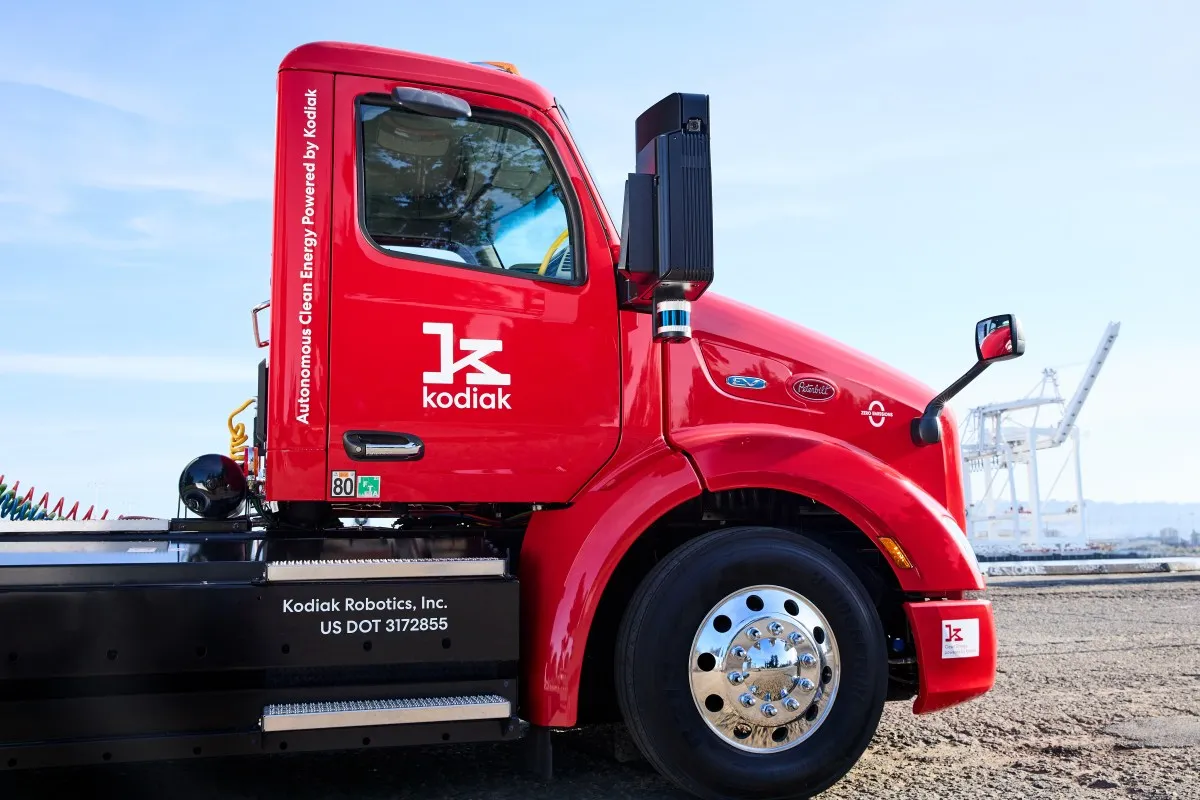
Raising $100 million sounds like a win. For Kodiak AI, it came with an immediate gut punch: the company's stock dropped 37% after the funding round was revealed to be priced at a steep discount to its market value.
The news broke during an earnings announcement, according to reporting from TechCrunch, and the market reaction was swift and brutal. A discounted raise is generally a signal that a company needed capital badly enough to accept less favorable terms, which understandably rattles investor confidence.
More than just money troubles
What makes the story more layered is that Kodiak didn't show up to earnings with just the funding news. The autonomous trucking firm also unveiled a new commercial contract, a pilot program launching in Canada, and an unspecified collaboration - a lineup that, in a different context, might have generated real excitement.
Instead, the discount on the raise overshadowed everything else. That's a tough spot for a company clearly trying to show momentum. The announcements point to a business that is still moving forward, signing deals, and expanding geographically, but the financing terms suggest the runway to profitability is still a long one and investors are feeling the pressure of that uncertainty.
Why this matters beyond one company's bad day
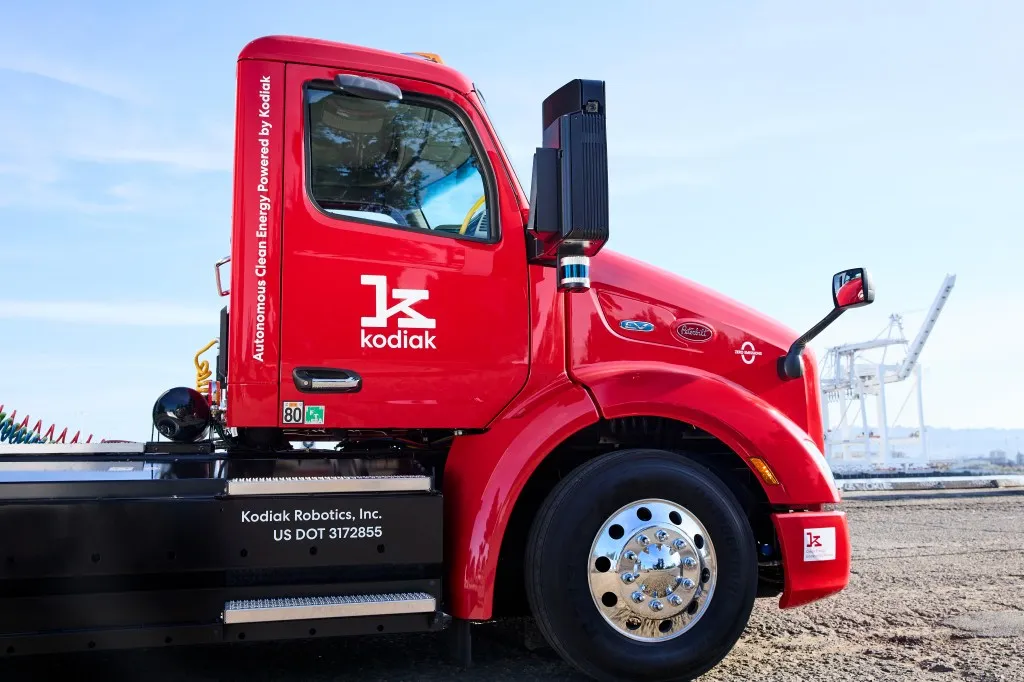
Kodiak AI sits in one of the most closely watched spaces in tech right now. Autonomous trucking has been hyped for years as a potential revolution in logistics, with the promise of safer roads, lower costs, and a solution to persistent driver shortages. But the road from promising pilots to scalable, profitable operations has proven far longer and more expensive than early optimism suggested.
The discounted raise and stock slide reflect a broader tension investors are grappling with across the autonomous vehicle sector - how much patience do you have for a technology that keeps showing real progress but keeps pushing its commercial viability just a little further into the future?
For Kodiak specifically, the Canadian pilot and new commercial contract are genuinely encouraging signs. Getting a foothold in a new market and landing paying customers matters. But with $100 million coming in at a price that signals distress rather than strength, the company now has the unenviable job of rebuilding confidence while also executing on a complicated technical and commercial roadmap.
It's the kind of moment that separates companies with staying power from those that become cautionary tales. Whether Kodiak lands on the right side of that line remains to be seen.