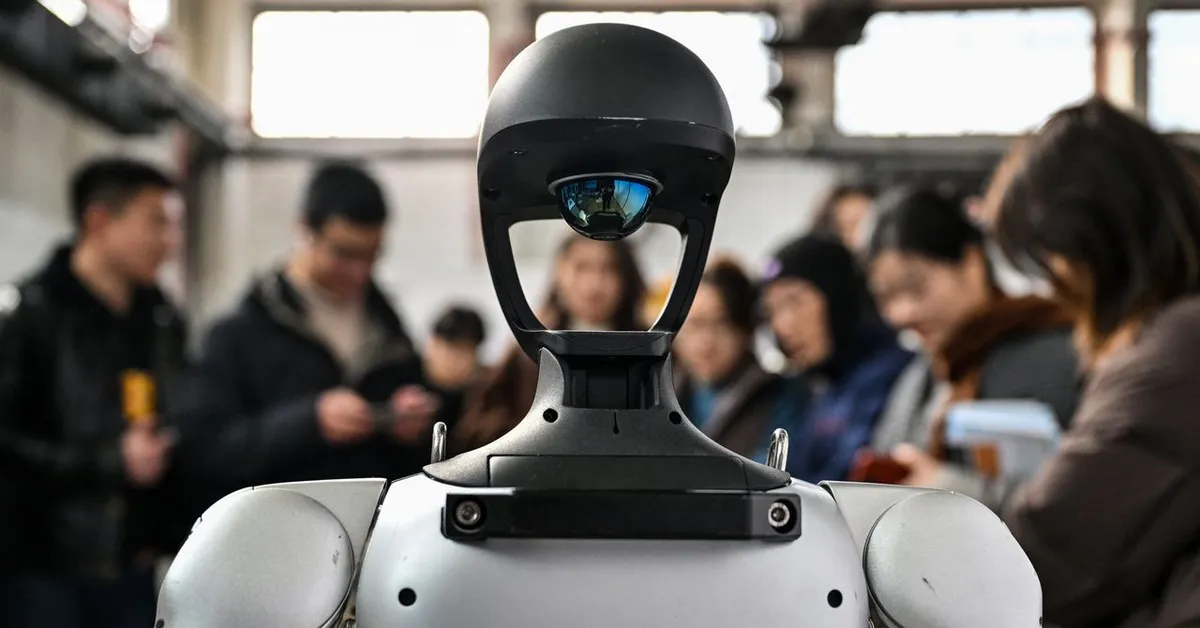
If your shopping cart usually tops out at cheap phone cases and bulk socks, AliExpress is about to offer you something considerably more ambitious. Unitree, the Chinese robotics company, is bringing its R1 humanoid robot to international buyers through the platform, with a starting price of $4,370. Yes, really.
A robot that can do backflips (but maybe not your laundry)
The R1 isn't just a novelty toy with arms. According to reporting from Wired, the robot arrives with some genuinely impressive aerobatic capabilities - the kind of fluid, dynamic movement that would have seemed like science fiction a few years ago. Unitree has been making waves in the robotics world for a while now, and the R1 represents their push to make humanoid robots accessible to buyers outside of research labs and well-funded tech companies.
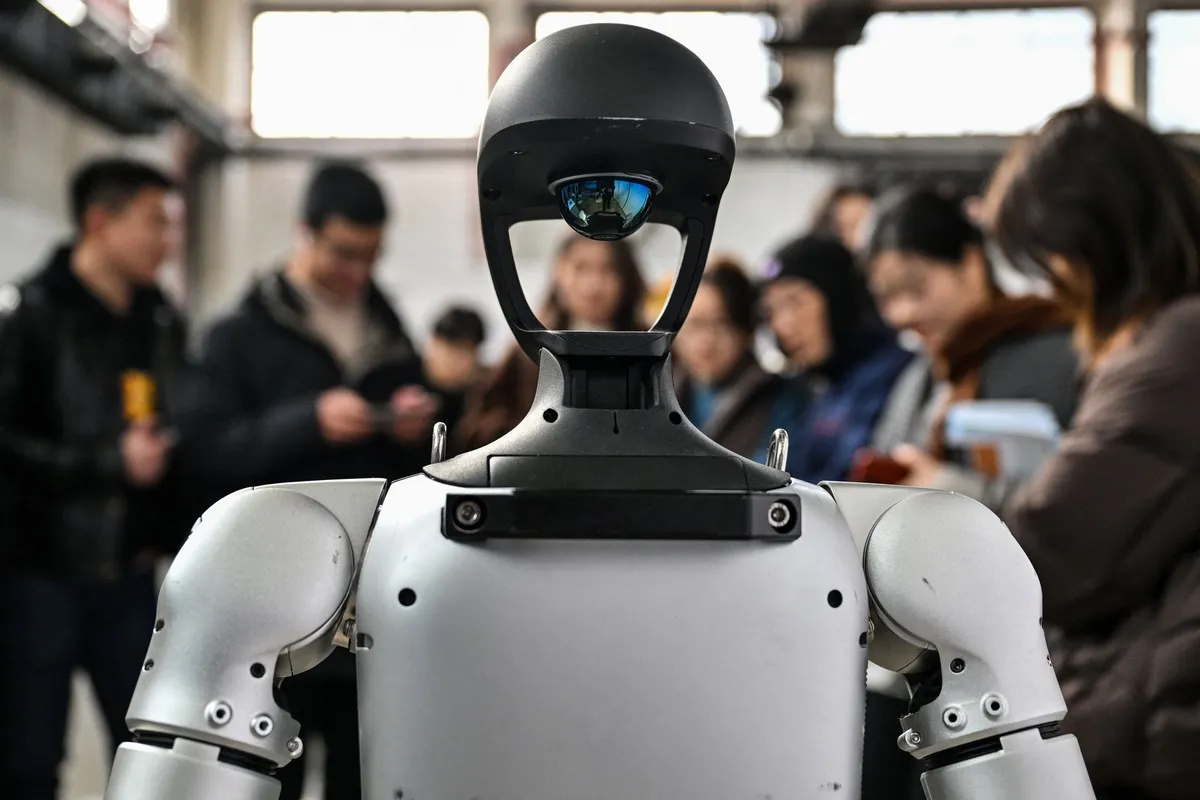
At under $5,000, it's being pitched as an entry-level price point for this kind of hardware. And in the context of humanoid robotics, that framing isn't entirely wrong - comparable machines have historically cost many times more.
The bigger question: what's it actually for?
Here's where things get interesting, and a little murky. Wired raises the obvious elephant in the room - the practical use case for a home humanoid robot in 2025 is still pretty fuzzy. It's not going to cook dinner or fold laundry with any real reliability. It won't manage your calendar or walk the dog.
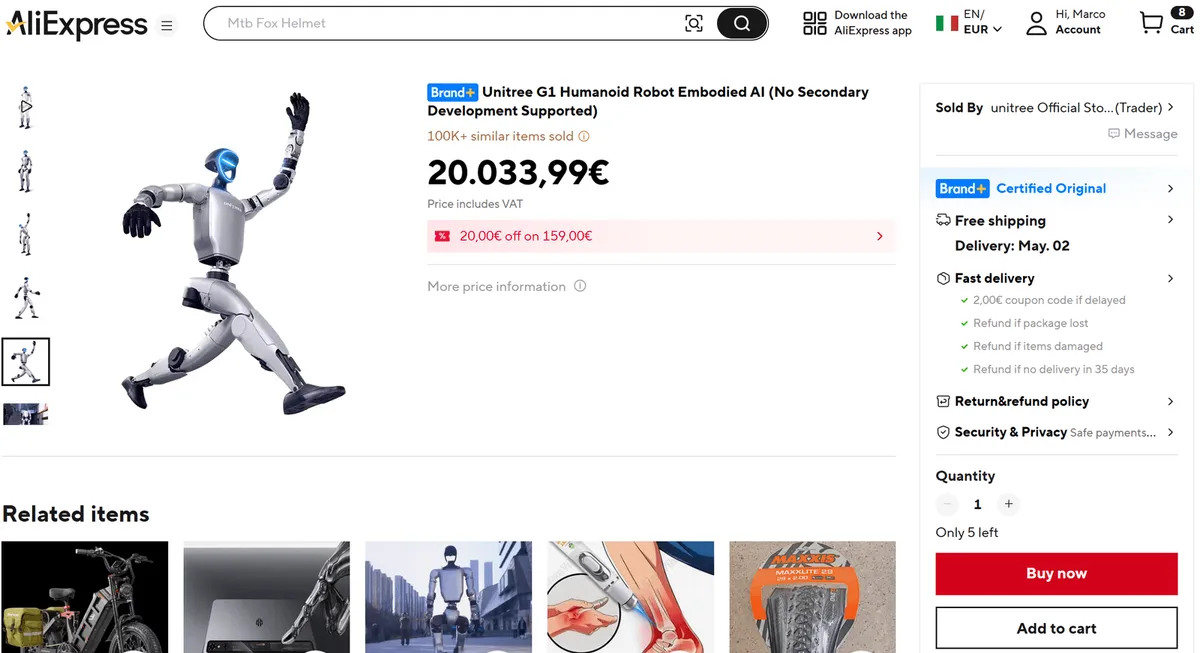
What you're really buying right now is potential - and a very cool piece of hardware to tinker with if you're technically inclined. Early adopters in the robotics and developer community will likely find plenty to explore, and for research or experimentation purposes, the price point is genuinely competitive.
But for the average curious consumer? The R1 sits in that fascinating but slightly awkward space where the technology is impressive enough to turn heads, but not yet practical enough to justify the purchase without a specific project in mind.

Why it still matters
Even if you're not about to drop $4,370 on a robot this weekend, the fact that humanoid robots are now available on the same platform where you buy kitchen gadgets says something significant about where this technology is heading. Accessibility tends to accelerate development - more units in more hands means more feedback, more use cases explored, and faster iteration.
The R1 might not be the robot butler science fiction promised us. But its arrival on AliExpress is a genuine milestone in making this technology part of the mainstream conversation. And honestly, watching it do aerobatics is pretty spectacular regardless of whether it ever tidies your apartment.