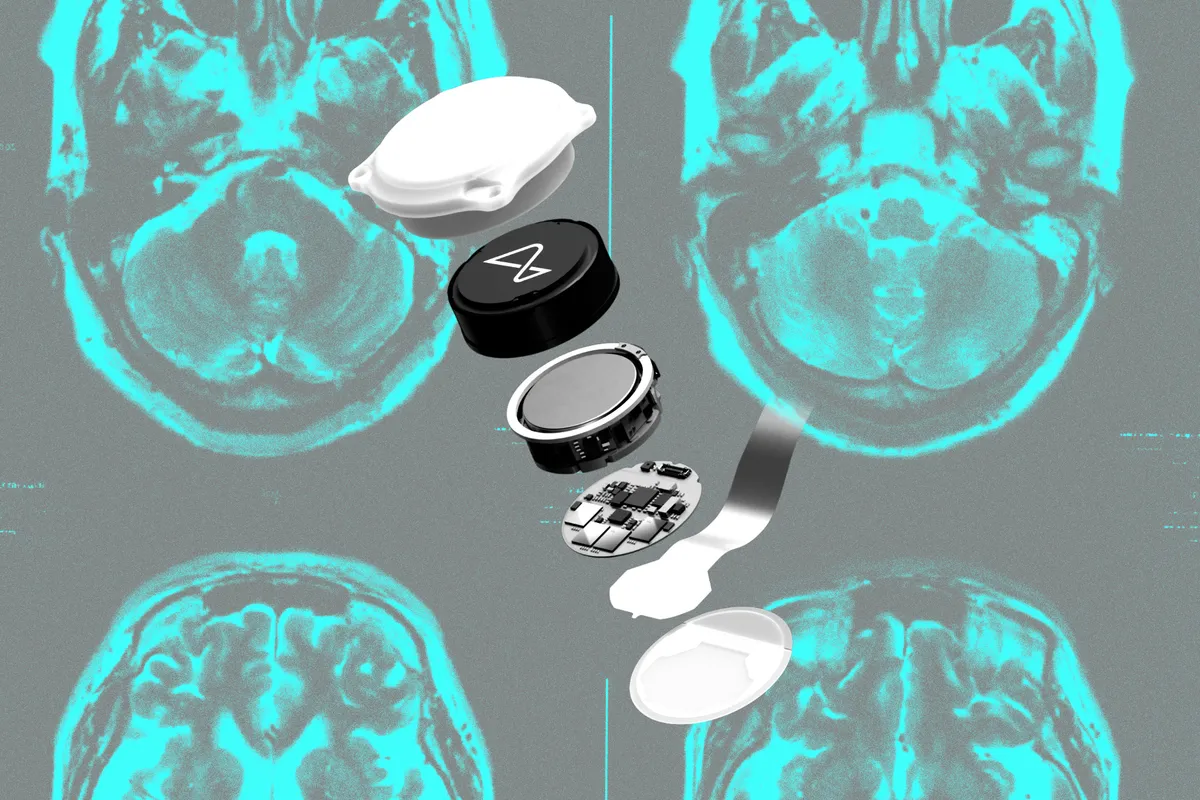
If you've been following the Neuralink story, you already know the pitch: superhuman cognition, minds fused with artificial intelligence, the next leap in human evolution. Elon Musk has never been shy about thinking big, and brain-computer interface technology has been one of his most audacious bets. But according to reporting from The Verge, that bet is looking shakier than ever.
The gap between vision and reality
The core problem isn't that Neuralink hasn't made progress - it has. Human trials have shown some genuine results, and that's not nothing. But the sweeping goals Musk set out - the kind that involve blurring the line between human thought and machine intelligence - remain extraordinarily distant. And the path there is proving far more complicated than the hype ever let on.

The technology at the heart of all this is brain-computer interfaces, or BCIs. These devices work by translating the brain's electrical signals into data a computer can read and respond to. It sounds elegant in theory. In practice, the brain is one of the most complex systems we know of, and getting reliable, high-resolution communication between neurons and machines is a genuinely hard scientific problem - not just an engineering one.

A troubled road so far
The road to this point hasn't been smooth. Neuralink's animal testing phase left a grim record, with reports of troubling outcomes for monkey subjects drawing scrutiny and ethical concern. The leap to human implants brought cautious optimism, but also a reminder that early successes in clinical settings are a long way from the sci-fi scenarios Musk has casually sketched out on stage and online.

This is a pattern worth recognizing. Musk's ability to generate excitement - and funding, and talent - around a bold idea is genuinely unmatched. But that same hype machine can create expectations so inflated that even real progress looks like failure by comparison. When you promise people they'll merge with AI and you deliver a device that helps someone control a cursor, the gap in perception is enormous, even if the science itself is meaningful.
Why it still matters
None of this means brain-computer interface research isn't worth pursuing. For people living with paralysis or neurological conditions, even incremental BCI advances can be life-changing. The science, independent of the Musk mythology, is genuinely exciting and worth watching.
But there's a lesson here that keeps resurfacing across Musk's ventures: ambition is a powerful fuel, and it can absolutely accelerate progress. It can also overshoot so dramatically that it warps public understanding of what's actually possible. Neuralink isn't a failure, but it might be a case study in what happens when a hype train runs ahead of the science carrying it.