Yelp has always been the go-to for figuring out if that new ramen spot is worth the hype. But the platform is aiming for something bigger - a version of itself that doesn't just surface reviews, but actually helps you get things done.
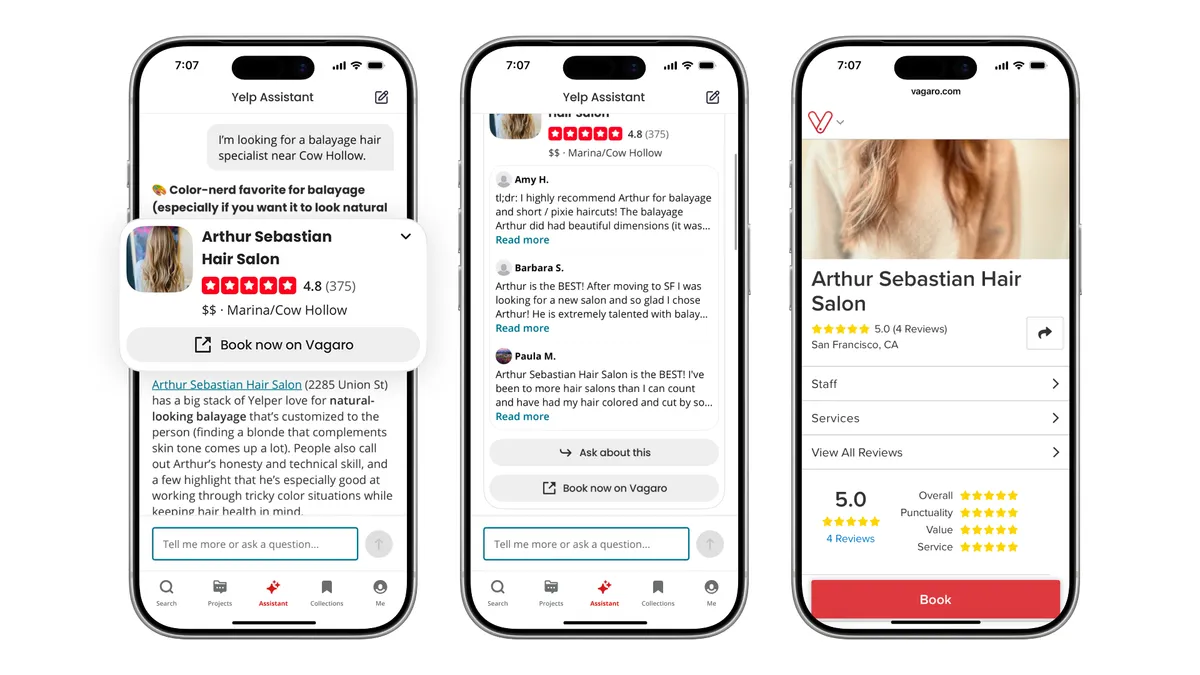
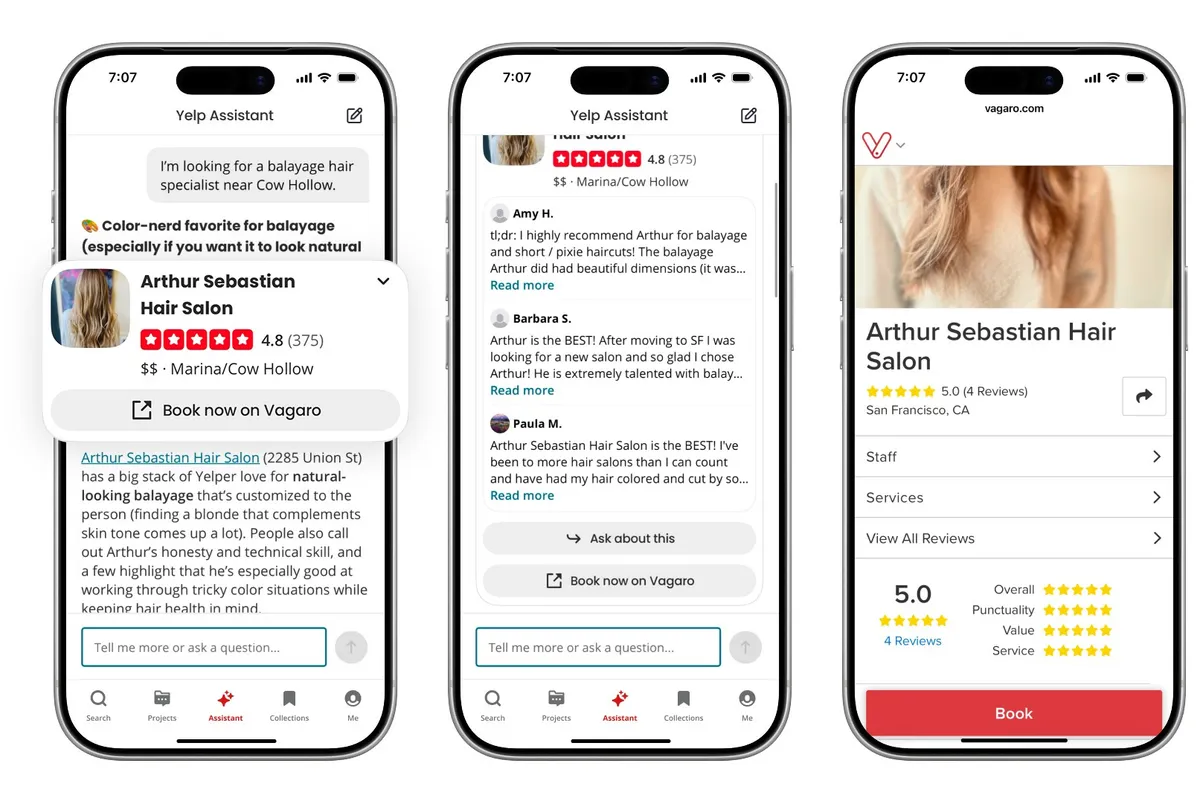
According to a report from The Verge, Yelp is rolling out a major upgrade to its AI-powered chatbot, Yelp Assistant, positioning it as the centerpiece of a new, more action-oriented experience on the platform. Think less "here are some results" and more "let me handle that for you."

From search engine to digital concierge
The distinction matters. Most of us have used Yelp the same way for years - type in what you're looking for, scroll through stars and photos, maybe read a few reviews, and then go figure out the rest yourself. The upgraded Yelp Assistant is designed to collapse a lot of those extra steps.
Yelp is framing the move as being focused on "getting things done" - a phrase that signals a real shift in how the company sees its role. Rather than being a directory with opinions attached, it wants to be the tool that actually moves things forward for you.
Why this is part of a bigger moment
Yelp's chatbot overhaul isn't happening in a vacuum. It's part of a broader wave of companies racing to make AI feel genuinely practical rather than just impressive in a demo. The challenge for most AI products right now is bridging the gap between "technically capable" and "something people actually reach for."
Yelp has a specific advantage here that a lot of AI products don't: years of user-generated content. Millions of reviews, photos, and business details are a serious asset when you're trying to build an assistant that can give real, contextual recommendations rather than generic answers. That data is becoming a competitive edge as much as the technology itself.
What it means for how you use Yelp
If the upgrade delivers on its promise, the day-to-day difference could be pretty noticeable. Instead of using Yelp as a starting point and then bouncing around to other apps to actually make things happen, the idea is that more of that process lives in one place.
Whether Yelp can pull it off - and whether users will actually change their habits - is the real test. But the direction makes sense, and for anyone who's ever wished their restaurant app could just, you know, handle it, this is at least a step in the right direction.