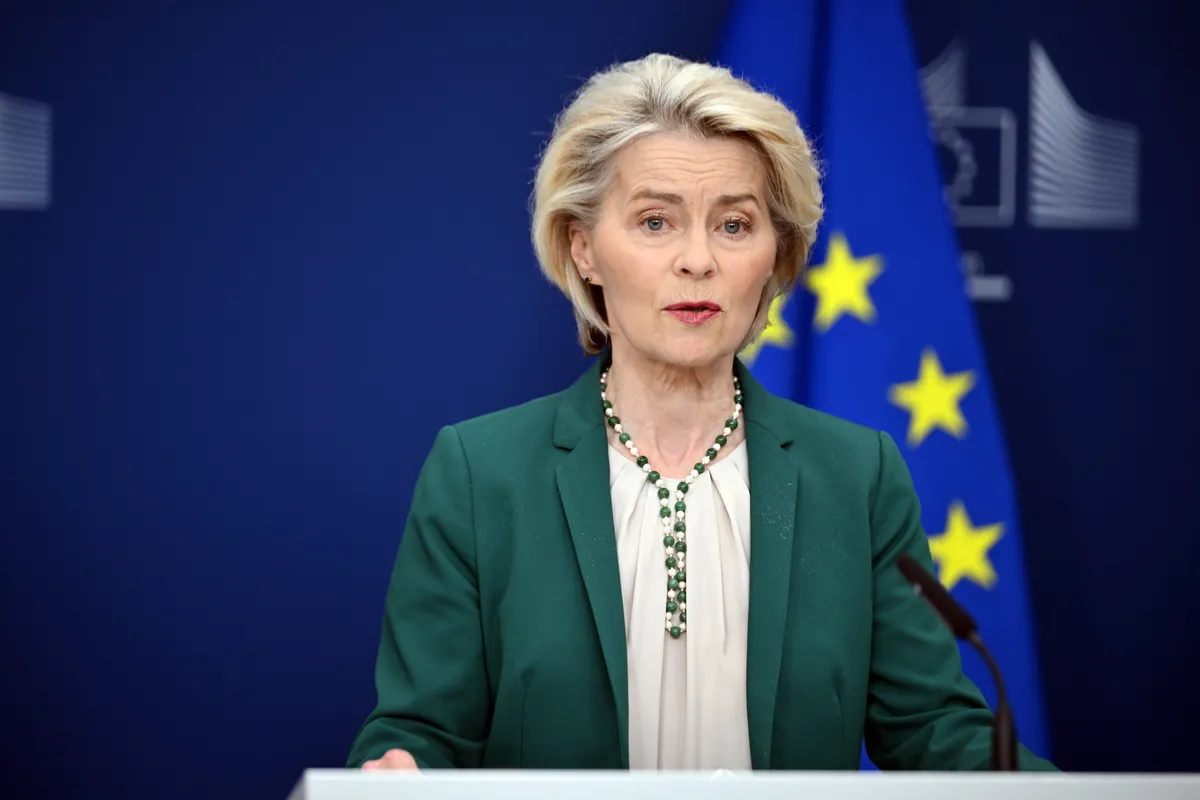
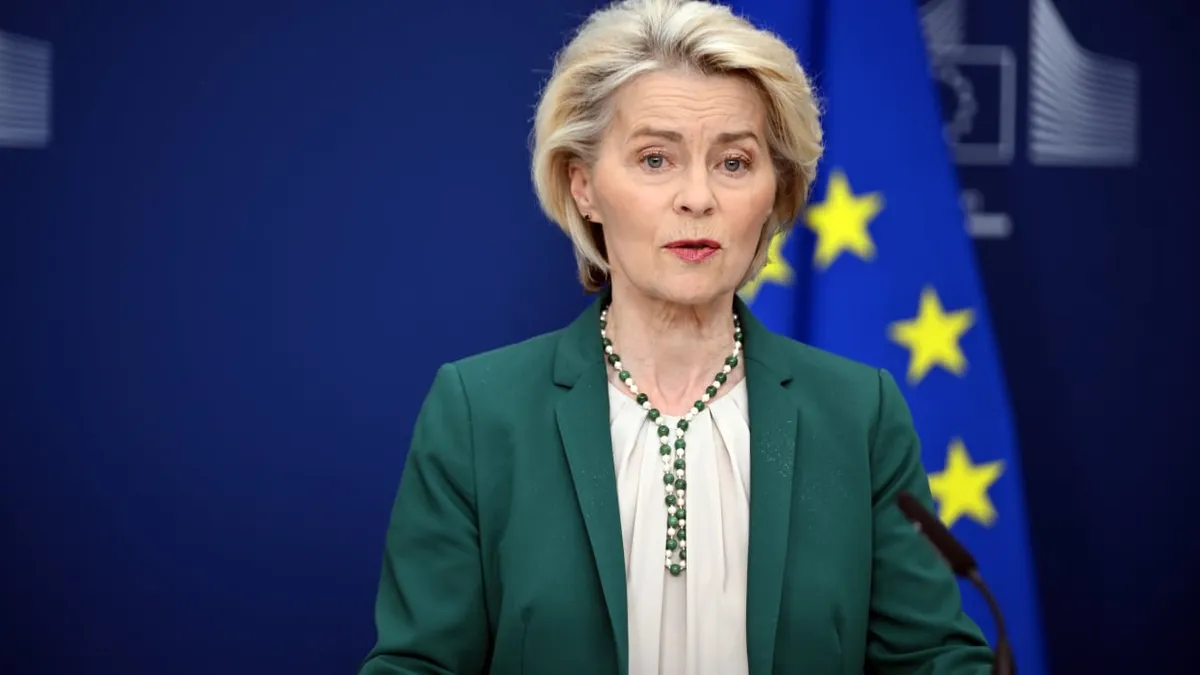
If you've ever wondered how platforms are supposed to actually verify that their users are who they say they are, the European Union might have just offered one answer. EU Commission President Ursula von der Leyen has announced an official EU age-verification app, and several member countries have already signed on to use it.
Why this matters
Age verification has been one of those thorny digital policy problems that everyone agrees needs solving but nobody can quite agree on how to do it. Platforms have long relied on self-reporting - basically, a checkbox that asks if you're over 18 and trusts that you'll tell the truth. Spoiler: that system has never really worked.
The EU's new app represents a more structured, government-backed approach to the problem. Rather than leaving it up to individual platforms to figure out their own solutions, this gives member states a shared tool they can point to and actually implement at scale.

What we know so far
Details remain relatively limited at this stage, but the announcement from von der Leyen signals that this is being treated as a serious policy priority rather than a vague future ambition. The fact that multiple countries have already expressed willingness to adopt it suggests there's genuine political momentum behind the initiative, not just headline-grabbing.
Age verification apps typically work by linking a user's identity to a verified credential - often through a government-issued ID - without necessarily exposing all that personal data to every platform the user visits. Done well, it's a privacy-respecting way to confirm someone meets an age threshold without handing over a full digital profile.
The bigger picture
This move fits neatly into Europe's broader pattern of taking digital regulation seriously. From the General Data Protection Regulation to the Digital Services Act, the EU has consistently pushed for more accountability from tech platforms and more protection for users - particularly younger ones.
Age verification specifically has been in the spotlight as governments worldwide grapple with children's access to social media, explicit content, and online gambling. Australia made waves recently with its own push to restrict social media access for under-16s, and the UK has been working through similar debates. Europe is now adding its own chapter to that story.
Whether the app actually delivers on its promise will depend heavily on implementation - how it handles data, how widely it gets adopted, and whether platforms actually integrate it meaningfully. But as a signal of intent, it's a significant one.
For more details on the announcement, the full story is available via Mashable.