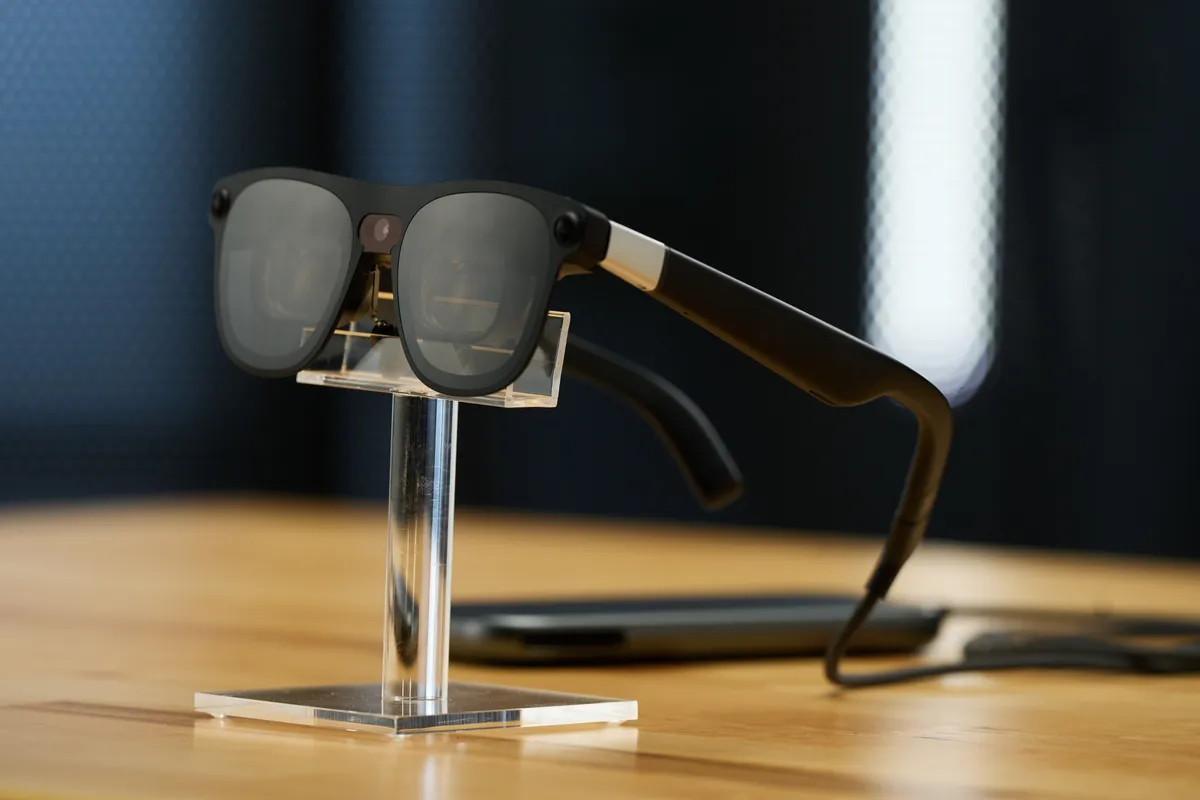
Smart glasses have had a perception problem for years. The technology keeps improving, but convincing people to actually put them on their face is a whole other challenge. Google might have found an answer: Gucci.
According to Reuters, as reported by The Verge, Google is partnering with Gucci parent company Kering to launch a co-branded pair of AI smart glasses in 2027. It's a move that signals Google is taking the style question seriously this time around.

Why this matters more than it sounds
The collaboration comes as Google is already deep into its wearable push. The company's first Android XR glasses, dubbed "Project Aura," are expected to arrive later this year. By most accounts, they follow a similar design language to Meta's Ray-Ban smart glasses - which have been one of the more successful attempts at making wearable tech look normal.
But Gucci is a different league entirely. Bringing one of fashion's most recognizable luxury names into the mix isn't just a marketing play - it's a direct attempt to reframe how people think about wearing technology on their face. If the glasses look like something from a Gucci campaign rather than a sci-fi prop, the barrier to entry drops significantly.
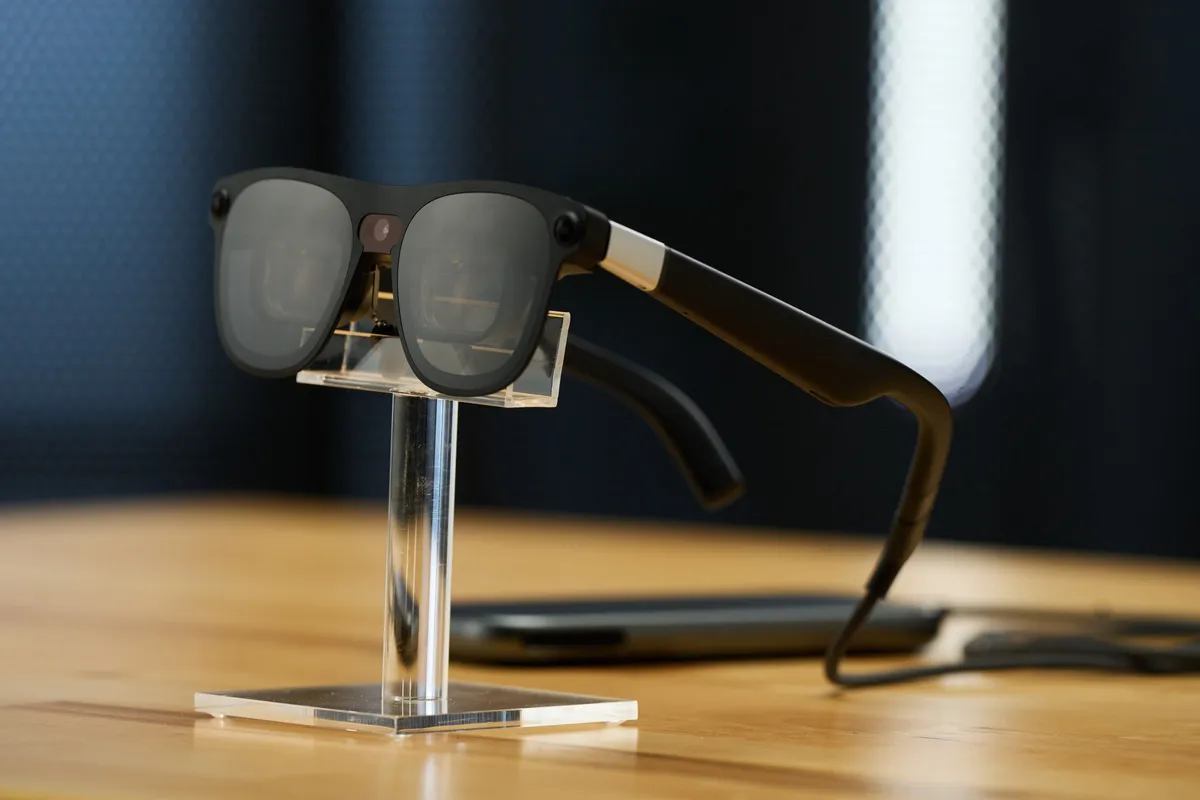
The wearable tech fashion problem
This has always been the central tension in smart glasses. The hardware keeps getting better - AI assistants, cameras, audio, augmented reality overlays - but none of it matters if the product sits in a drawer because wearing it feels awkward or unflattering.
Meta cracked this partly by working with Ray-Ban, a brand people already trusted for eyewear. Google seems to be learning from that playbook and turning the volume up. Gucci isn't just trusted for glasses - it's aspirational. That changes the conversation entirely.
What to expect
Specific details on the Gucci collaboration are still thin on the ground, but the 2027 timeline suggests this is a considered, longer-term bet rather than a rushed cash-in. Google appears to be using Project Aura as its foundation - building credibility with a more accessible product first, then moving upmarket with a luxury partner.
For anyone who's been quietly curious about smart glasses but couldn't get past how they looked, this partnership is worth watching. Tech and high fashion don't always mix well, but when they do, it has a way of making what felt niche feel suddenly very normal.