Ask most executives what keeps them up at night and AI will almost certainly top the list. Layoffs have been justified with it, entire business strategies built around it. But the CEO of one of the world's biggest job platforms thinks we're all looking in the wrong direction.
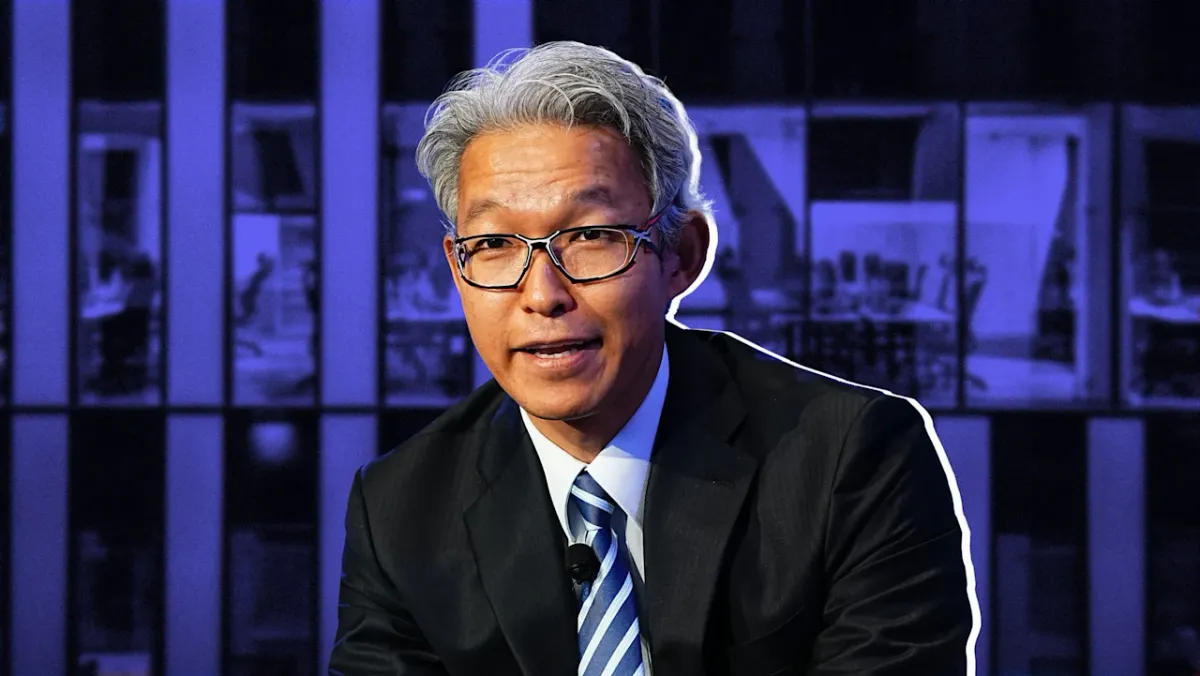
At a recent event, Indeed CEO Hisayuki "Deko" Idekoba made a case that demographic change - specifically an aging labor market - is a more urgent and pressing threat to the workforce than artificial intelligence, according to Fast Company.
The shift hiding in plain sight
Idekoba's argument centers on something that's been unfolding for decades but rarely gets the same breathless coverage as the latest chatbot. Across developed economies - the U.S., European nations, Japan - populations are aging faster than they're being replaced. Fewer young workers are entering the labor pool, while older generations are retiring out of it.
This isn't a distant hypothetical. It's already playing out in labor shortages across healthcare, skilled trades, and care work. The panic around AI reshaping jobs can sometimes overshadow the fact that in many sectors, there simply aren't enough people to fill the roles that already exist.
Why this framing matters
There's something refreshing - and a little contrarian - about a tech-adjacent CEO pumping the brakes on AI doom talk. Idekoba isn't dismissing the impact of AI, but he is asking us to zoom out and look at the full picture of what's stressing the labor market right now.
For workers in their 20s and 30s, this actually reframes the conversation in an interesting way. An aging workforce means skilled talent becomes more valuable, not less. It also means the economy will increasingly depend on how well we integrate older workers, rethink retirement, and potentially renegotiate what a working life looks like.
The real story is both things at once
Honestly, framing this as AI versus demographics might be a bit of a false choice. The most likely reality is that these two forces will collide - automation may fill some gaps left by shrinking workforces, while also displacing workers in other areas. The tricky part is whether economies can manage that transition without leaving people behind.
But Idekoba's point stands: if we're only stress-testing our workforce policies against an AI future, we're probably underprepared for the demographic one that's already here.