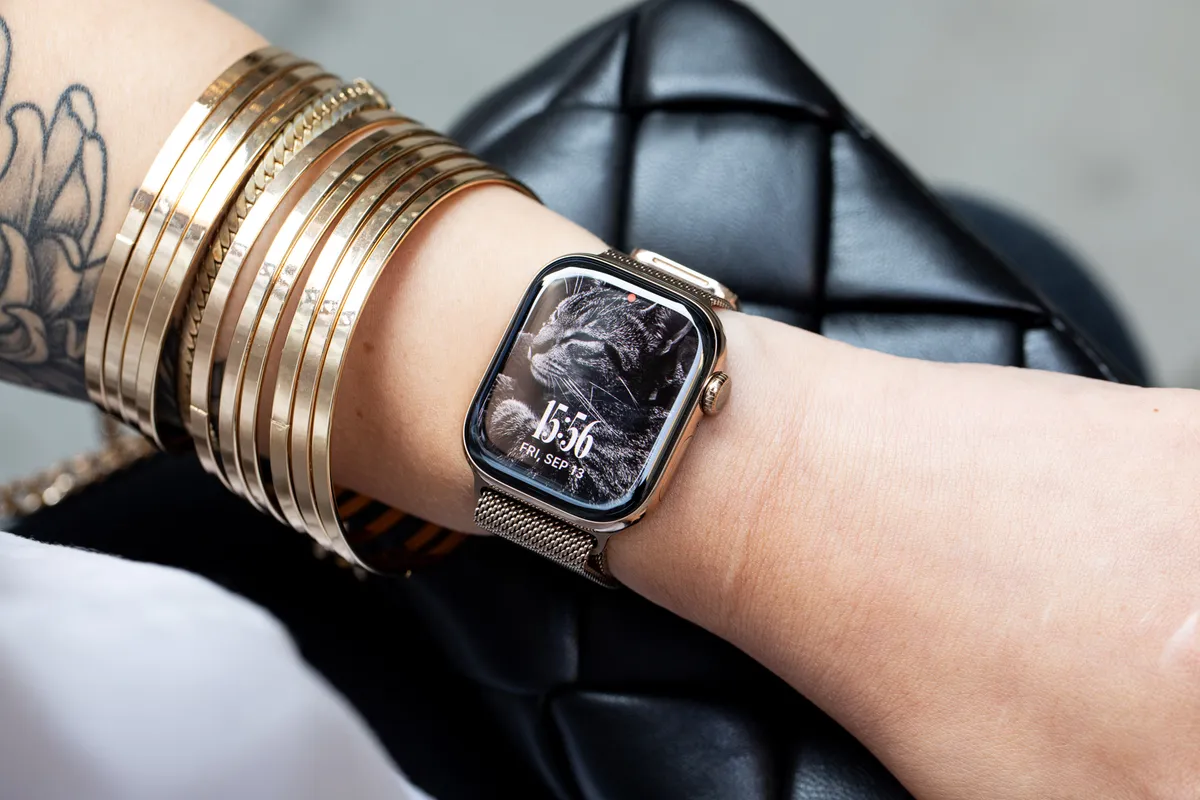
An apple a day keeps the doctor away - and if Tim Cook has anything to say about it, that apple is strapped to your wrist and tracking your heart rate. As The Verge recently argued, when Cook eventually passes the baton to John Ternus, it won't be the iPhone refresh cycles or the Vision Pro headset that people remember most. It'll be the Apple Watch, and what it quietly did to the entire health tech landscape.
The product that defined a new era
The Apple Watch was the first major product Apple launched after Steve Jobs died, which made it a massive moment of pressure and proof. Could Apple still innovate without its legendary founder? The Watch answered that question - and then kept answering it with every software update that added new health features over the years.

What started as a stylish notification machine gradually became something far more meaningful. Sleep tracking, blood oxygen monitoring, irregular heart rhythm alerts - the Watch evolved into a genuine health companion that sits on the wrists of millions of people every single day.
Why this matters beyond Apple
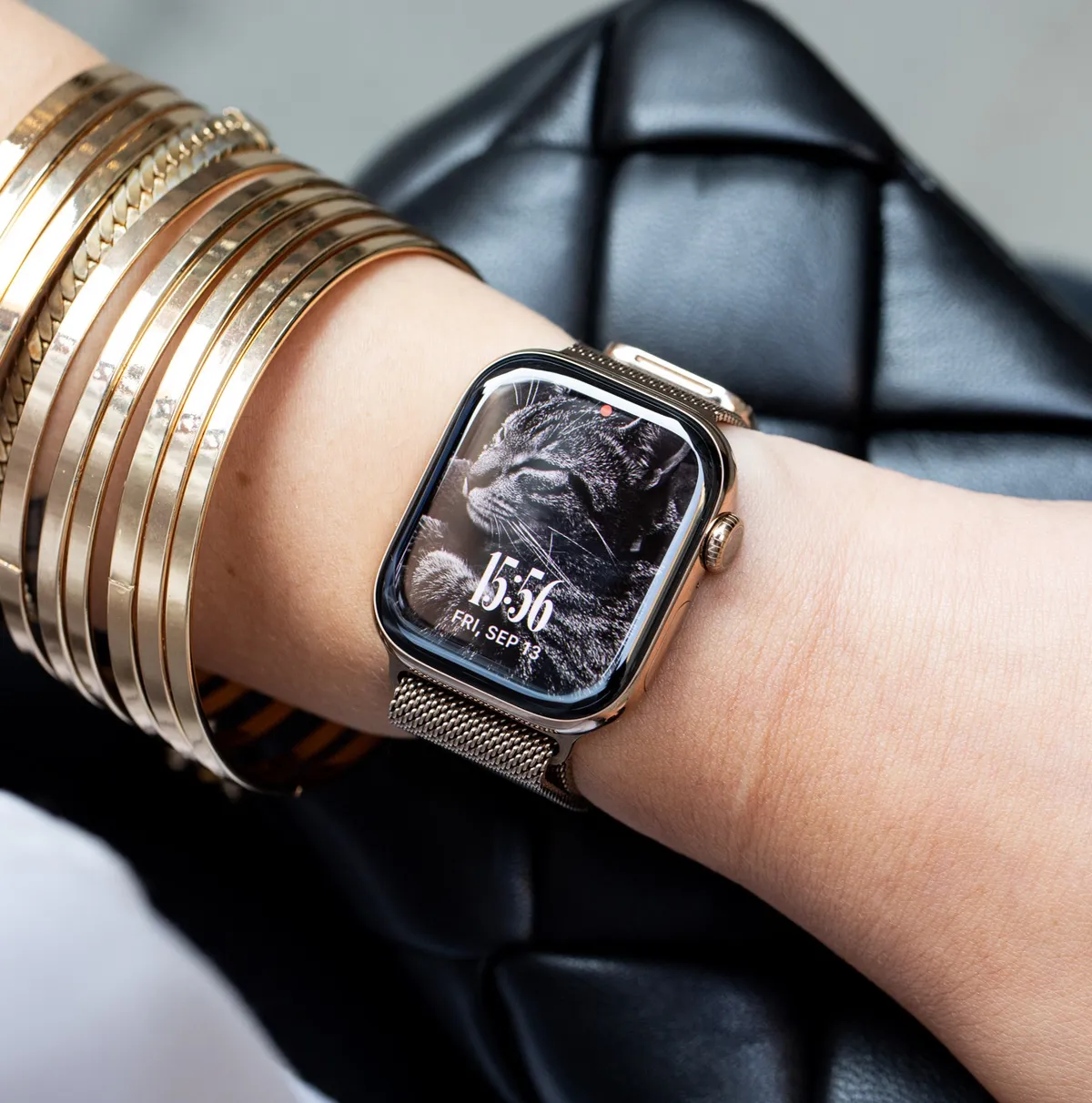
The real ripple effect is what the Apple Watch did to the broader wearables market. Once Apple made health tracking feel premium and desirable, the entire category shifted. Competitors leveled up. Consumers started expecting their devices to do more than count steps. The bar for what a wearable should be was permanently raised.
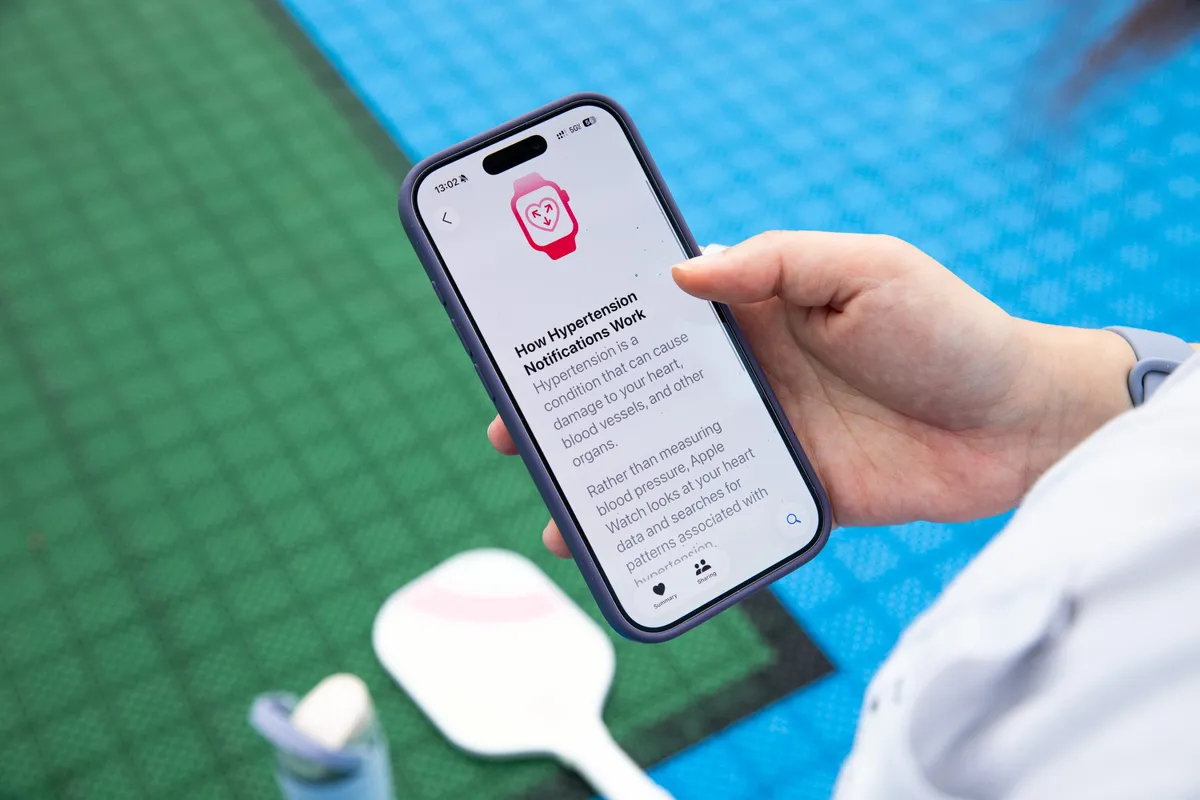
There's also something quietly profound about normalizing personal health data. A whole generation of people now thinks about resting heart rate, sleep stages, and daily movement in ways they simply didn't before. That cultural shift - making health awareness a daily, low-friction habit - is arguably worth more than any single product feature.
A legacy written in heartbeats
Tim Cook has overseen iPhones, AirPods, Apple Silicon chips, and a market cap that has grown to staggering heights. But the Apple Watch represents something different: a genuine expansion of what technology is supposed to do for people. Not just connect them or entertain them, but help them actually live better.
That's a harder thing to build than a faster processor, and it's a harder legacy to top.