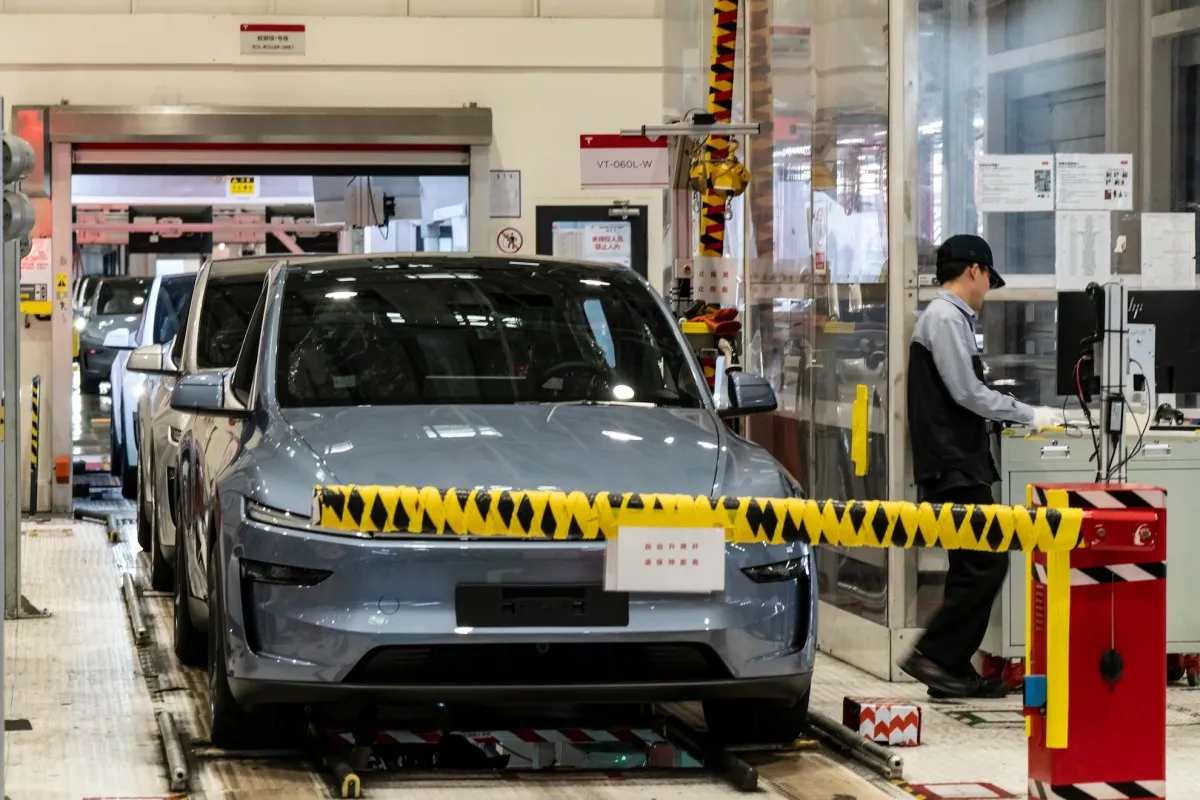
Tesla has always been more than a car company - at least, that's what Elon Musk has been saying for years. Now, the financials are starting to catch up to that vision. According to reporting by TechCrunch, Tesla's Q1 2026 revenue rose compared to the same period last year, with EV sales bouncing back and Full Self-Driving subscriptions adding a meaningful boost to the bottom line.
More than just moving metal
The subscription angle is worth pausing on. FSD - Tesla's advanced driver assistance software - has shifted from a one-time purchase option to a recurring revenue stream, and that change matters. Software subscriptions are stickier, more predictable, and far more profitable than selling physical vehicles. If Tesla can grow that subscriber base, it starts to look less like an automaker and more like a tech platform that happens to sell cars.
That framing isn't just flattering spin - it has real implications for how investors and consumers think about the brand.
Spending big on the future
The revenue rebound isn't happening in a vacuum. Tesla is reportedly pouring enormous resources into some genuinely ambitious projects - robotics, artificial intelligence, and even its own chip fabrication. These are massive, long-horizon bets that don't come cheap.
Building your own chips is the kind of move that takes years to pay off but could give Tesla a serious competitive edge if it works. Same with humanoid robotics through its Optimus project. These aren't side experiments - they're the kind of foundational investments that could define what Tesla looks like a decade from now.
Why this matters right now
For anyone watching the EV space, Tesla's Q1 results are a signal worth reading carefully. The company faced real headwinds recently - from softening demand to growing competition from Chinese manufacturers - so a revenue uptick, even a modest one, suggests some resilience.

But the more interesting story is the diversification play. A Tesla that earns meaningful revenue from software subscriptions, and eventually from robotics and AI infrastructure, is a very different kind of company than one that lives or dies by quarterly delivery numbers.
Whether all those big bets pay off is genuinely uncertain. But one thing is clear: Tesla is not quietly consolidating. It's doubling down, spending heavily, and betting that the next few years will reward the companies willing to take the biggest swings.
For consumers, that could mean more sophisticated software features, eventually autonomous driving that actually works, and - further down the road - technology that moves well beyond the car entirely.