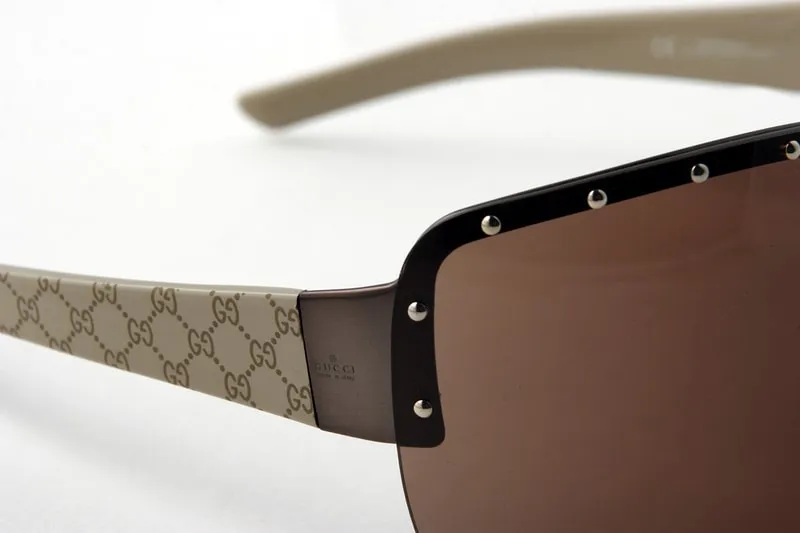
Smart glasses just got a serious style upgrade. Gucci and Google have confirmed a partnership to develop AI-powered smart glasses, with Kering CEO Luca de Meo revealing the news in a Reuters interview. If all goes to plan, the eyewear could land as soon as 2027.
Fashion meets function
The glasses will run on Google's Android XR platform, putting them squarely in the same conversation as Meta's Ray-Ban smart glasses - which have quietly become one of the more compelling wearables of the past couple of years. The difference here, of course, is that Gucci brings a level of brand cachet that few tech collaborations can match.
For Gucci specifically, this feels like a calculated move. The iconic Italian house has been navigating a tricky period, and a high-profile pivot into the AI wearable space signals that Kering is serious about reinvention. Pairing with Google - rather than waiting on the sidelines - puts Gucci right at the center of one of the most hotly contested categories in consumer tech right now.
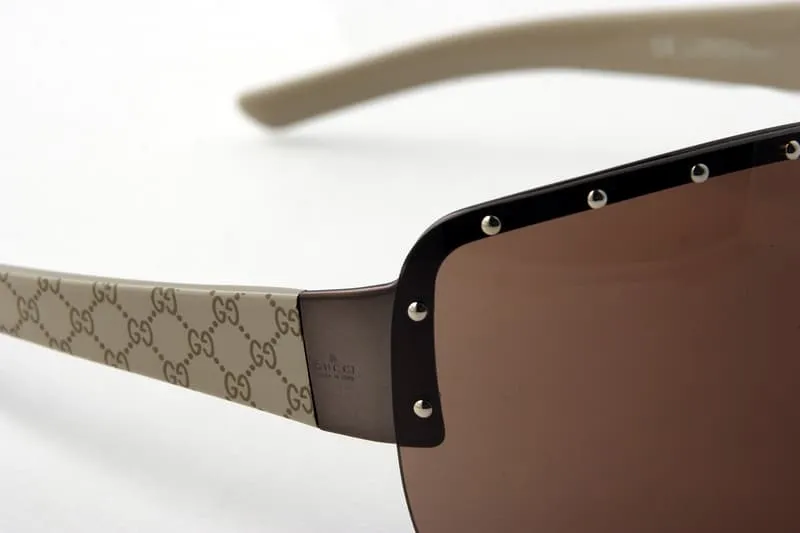
Why this actually matters
The smart glasses market has been heating up fast. Between Meta's ongoing investment in the Ray-Ban collaboration and Apple's Vision Pro pushing spatial computing into the mainstream conversation, the race to make AI wearables both useful and desirable is very much on. Google entering with a luxury partner is a smart play - it signals that Android XR isn't just for early adopters and tech enthusiasts, but for people who care about how they look wearing their technology.
Gemini AI is expected to be part of the package, which would give wearers access to Google's conversational AI without reaching for their phone. That kind of hands-free utility - directions, real-time translation, instant answers - is genuinely appealing once it's wrapped in something you'd actually want to wear out of the house.
Still a few years away
A 2027 target gives both companies time to get this right, and that's probably wise. The history of smart glasses is littered with products that were technically interesting but socially awkward or just not particularly wearable. Gucci's involvement suggests the design side is being taken seriously from the start - not bolted on at the end.
Whether this becomes a genuine turning point for AI eyewear or another near-miss is still an open question. But between the Google muscle on the software side and the Gucci name on the frame, this is probably the most promising combination the category has seen yet.