
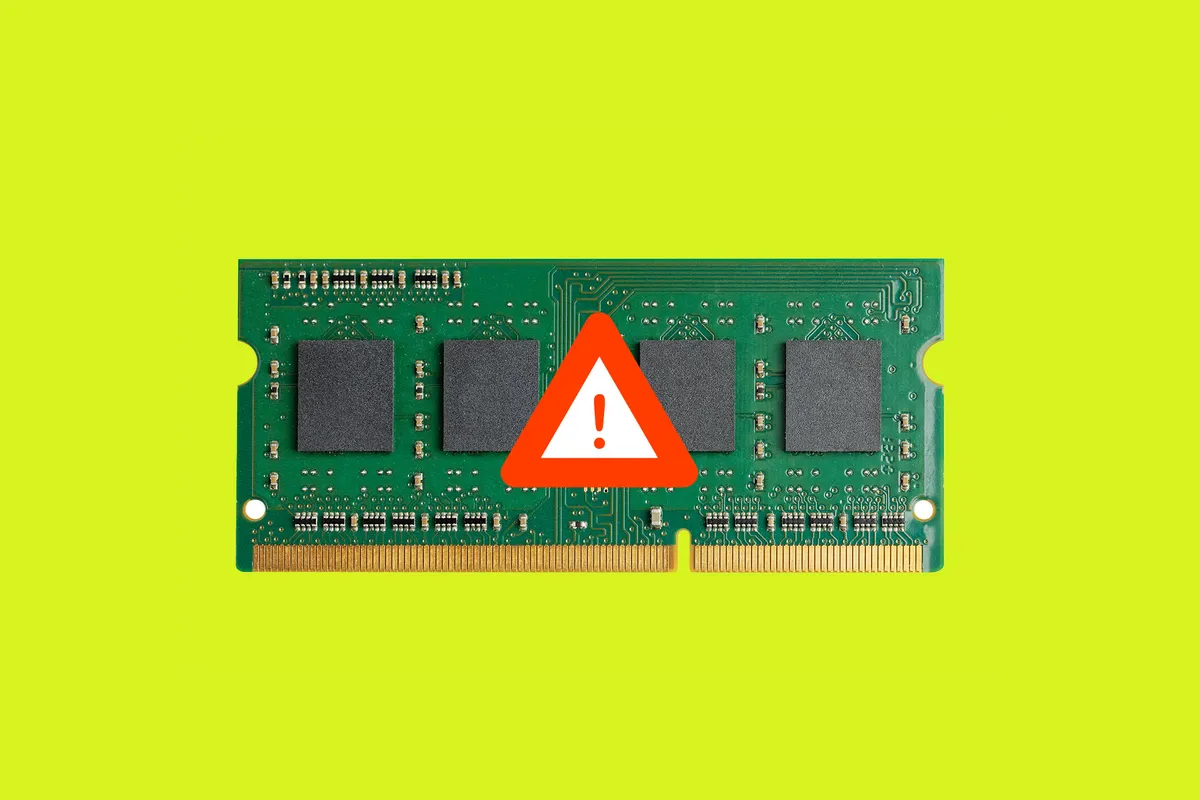
If you've noticed your tech budget stretching further than it used to, here's some context that won't exactly make your day: the global RAM shortage could stick around for years. Not months - years.
According to reporting from Nikkei Asia, memory chip suppliers are scrambling to ramp up production, but even with those efforts in full swing, manufacturers are only expected to meet around 60 percent of demand by the end of 2027. The SK Group chairman has gone even further, suggesting shortages could persist all the way until 2030. That's a long time to be playing catch-up.

Why is this happening?
The short answer is AI. The longer answer is that the explosion in demand for high-bandwidth memory - the specialized DRAM that powers AI chips and data center infrastructure - has caught even the biggest players in the industry off guard. The world's three dominant memory makers, Samsung, SK Hynix, and Micron, are all working to add new fabrication capacity, but almost none of those new facilities will come online before 2027 at the earliest, with some not expected until 2028.
The one bright spot so far is SK Hynix, which opened a new fab in Cheongju back in February - making it the only meaningful production increase among the major suppliers right now. That's a pretty thin pipeline for an industry facing this level of pressure.

What this means for the rest of us
For everyday consumers, this is more of a slow burn than an immediate crisis. You're unlikely to walk into a store and find empty shelves. But the ripple effects of tight memory supply tend to show up in subtler ways - higher prices on laptops and phones, slower rollouts of new hardware, and tech companies making compromises on specs to keep products affordable.
For businesses and developers building anything that involves AI workloads, the pinch is already real. Data centers are competing hard for high-bandwidth memory, and that competition isn't easing up anytime soon.

The situation is a reminder of just how much the AI boom has reshuffled priorities across the entire tech supply chain. Building a chip fab is a multi-billion dollar, multi-year undertaking - you can't simply dial up production the moment demand spikes. And right now, demand hasn't just spiked. It's reshaped the entire landscape.
Whether you're a casual consumer or someone building the next big thing, the memory crunch is one of those background forces quietly shaping what technology looks like - and what it costs - for the next several years.