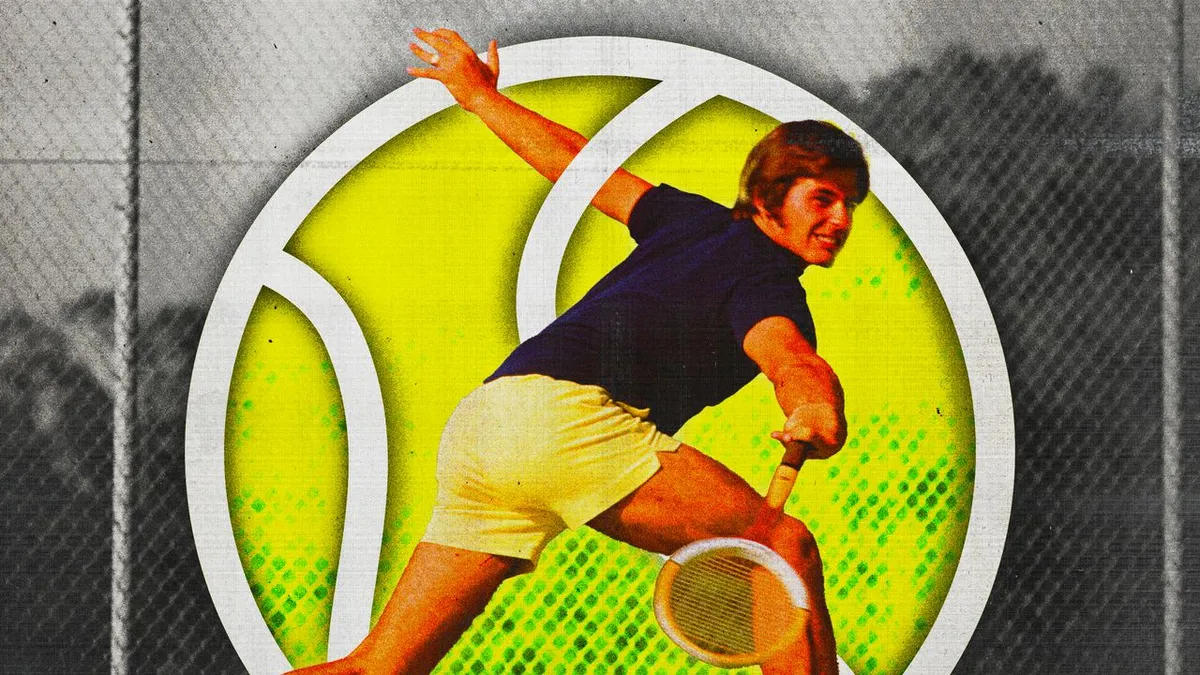
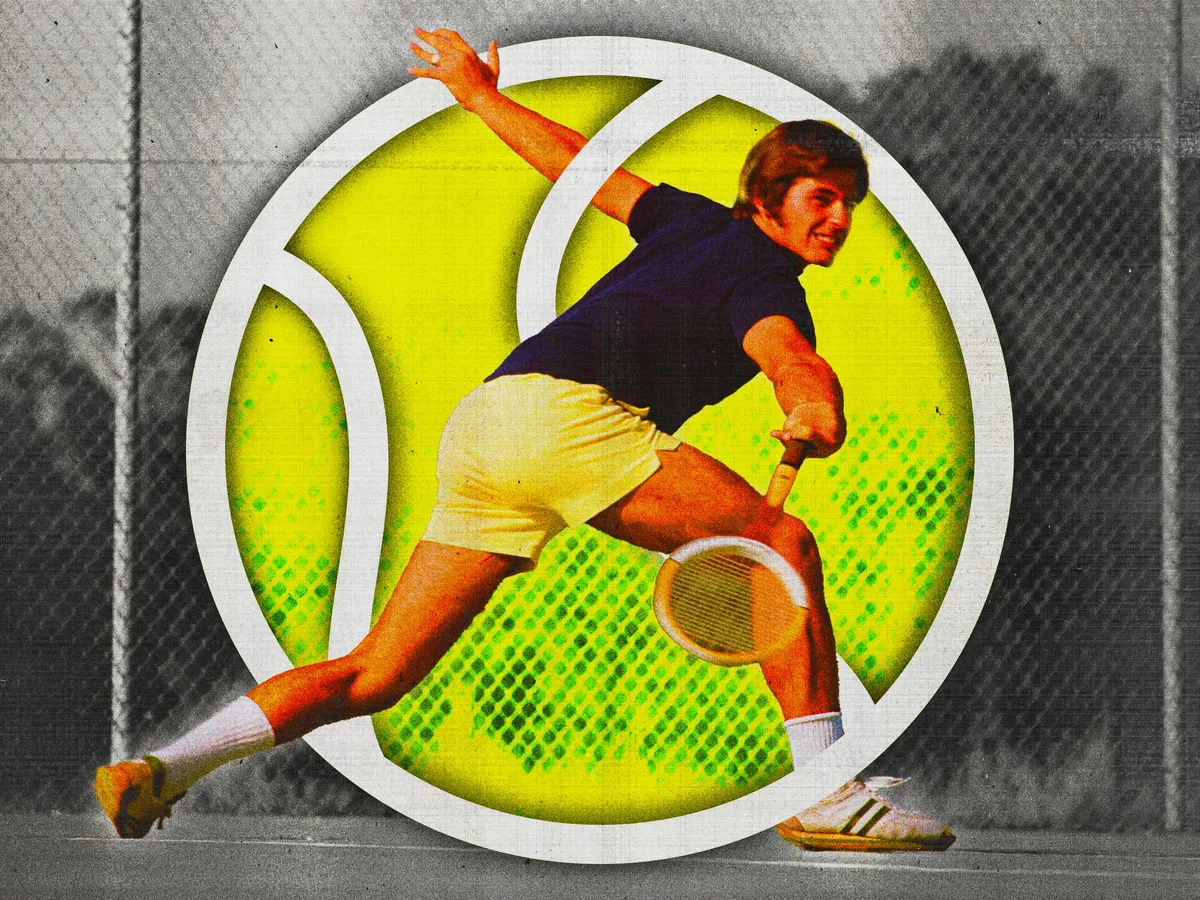
If you've been looking for a reason to finally pick up a racket, here it is: tennis might actually help you live longer. According to GQ, the sport offers a rare combination of physical and mental benefits that few other activities can match - and it only gets more valuable as you age.
More than just a workout
Tennis is a cardiovascular workout by nature. All that sprinting, pivoting, and reaching gets your heart pumping in a way that a leisurely jog simply doesn't. But the real magic is that it works your entire body - legs, core, arms - while also demanding serious mental engagement. You're constantly reading the game, anticipating your opponent's next move, and making split-second decisions. That kind of cognitive load is genuinely good for your brain.
Think of it as a workout for your mind and body happening simultaneously. That's a pretty efficient use of an hour.
The social side matters more than you think
One of tennis's underrated superpowers is its built-in social structure. Whether you're joining a club, booking a court with friends, or signing up for a local league, the sport naturally builds community around it. And we know from a growing body of research that social connection is a serious contributor to longevity and mental health.
Plenty of sports offer a workout. Far fewer give you a ready-made reason to show up, compete, and connect with other people on a regular basis. That combination is harder to replicate than it sounds.
It keeps you nimble as you get older
Balance, agility, and coordination - these are the physical qualities that tend to quietly slip away with age if you're not actively working to maintain them. Tennis demands all three, which means regular players are essentially training their bodies to stay responsive and quick on their feet. That's the kind of functional fitness that pays dividends well into your later decades.
Unlike high-impact sports that can wear down your joints over time, tennis is something most people can continue playing well into their 60s, 70s, and beyond. The learning curve is real, but the sport scales with you.
So, should you start?
You don't need to be athletic or competitive to enjoy tennis. Most communities have beginner programs, and plenty of courts are free or low-cost to access. The barrier to entry is lower than many people assume.
If you've been searching for a workout that doesn't feel like a chore, keeps your brain sharp, and gives you something genuinely social to look forward to - tennis is a pretty compelling answer.