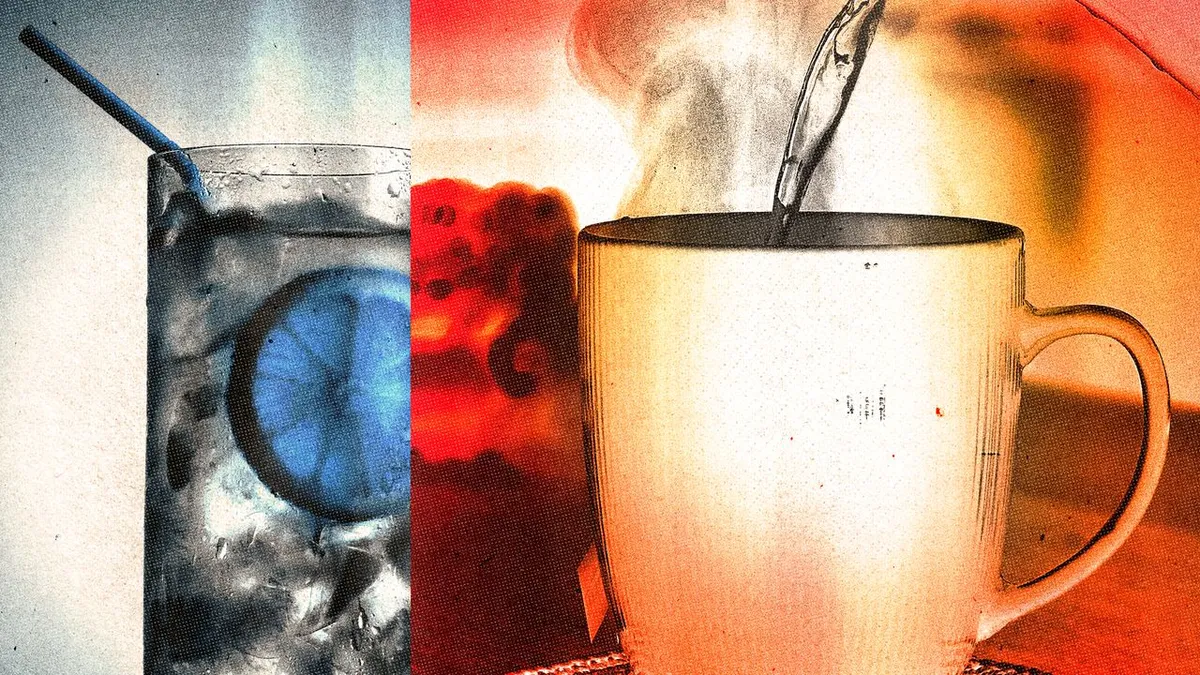
If you've spent any time in certain corners of the internet lately, you've probably encountered the "chinamaxx" crowd - people adopting various Traditional Chinese Medicine-adjacent habits in the name of better health. One of their most repeated tips? Ditch the ice water. But is there actually something to this, or is it just another wellness rabbit hole?
GQ went ahead and asked the experts - specifically, a Traditional Chinese Medicine clinician and a longevity doctor - to break down whether the temperature of your drinking water genuinely matters for digestion.
What Traditional Chinese Medicine says
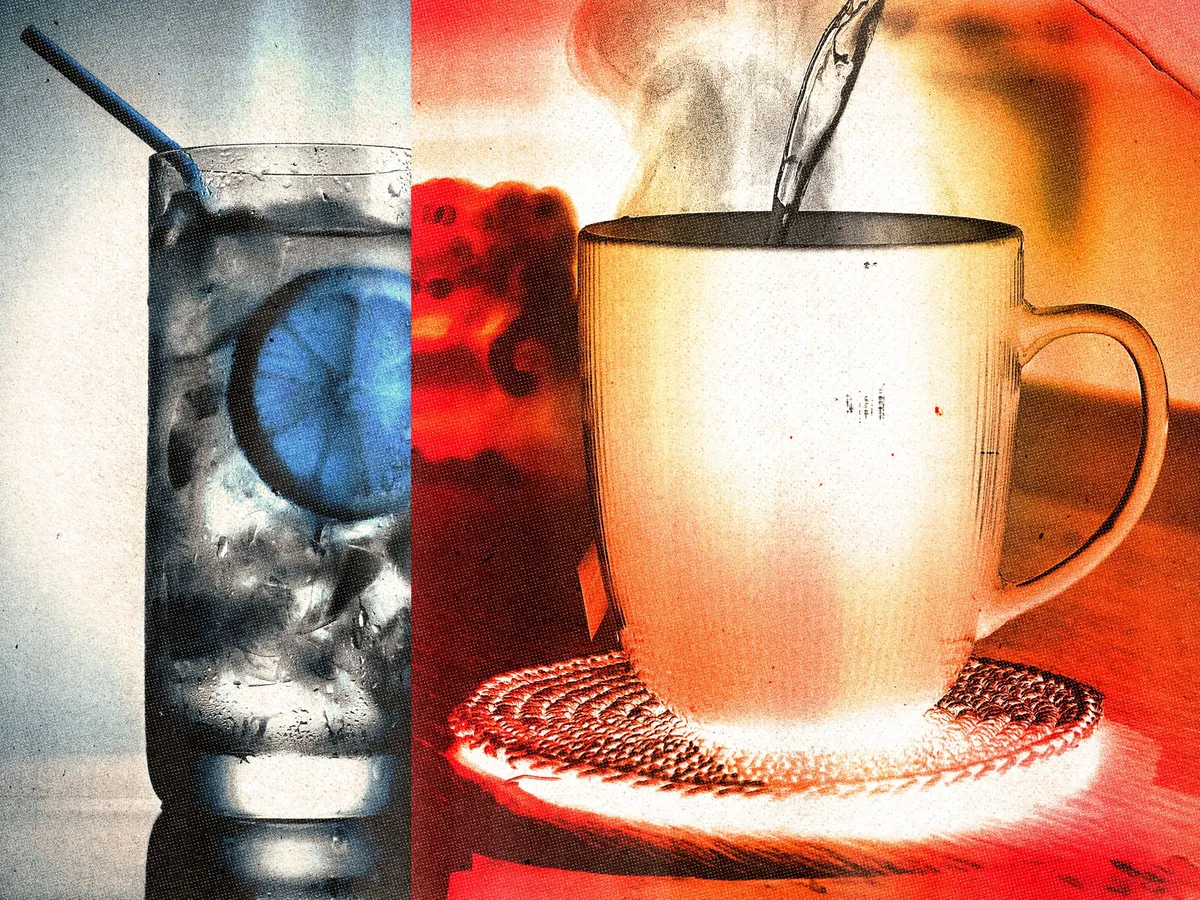
From a TCM perspective, cold water isn't exactly welcomed with open arms. The philosophy holds that cold temperatures can disrupt the body's internal "fire" - the warmth needed to properly break down food and keep your digestive system running smoothly. Warm or hot water, on the other hand, is seen as supportive of that process, helping the body maintain its natural balance rather than working against it.
This isn't a new idea. Cultures across Asia have recommended warm water and tea alongside meals for centuries, and it's become such a norm in places like China and Japan that ice water at restaurants is practically unheard of.
What the longevity angle adds
Modern medicine doesn't exactly prescribe hot water the way TCM does, but the longevity doctor's take isn't a flat-out dismissal either. The general consensus from a Western medical standpoint is that your body is remarkably good at regulating temperature internally, meaning a glass of cold water won't wreck your digestion. That said, warm water does have some practical advantages - it can help relax the digestive tract and may make things move a little more comfortably for some people.
For people who already deal with digestive sensitivity, making the switch to warmer water is a low-risk experiment worth trying.
So, which should you choose?
Honestly? The answer is less dramatic than the internet discourse suggests. Cold water isn't going to ruin your gut, but warm water might give it a gentle assist - especially with meals. If you're someone who regularly feels bloated or sluggish after eating, swapping out that iced drink for something warm is one of the easiest, cheapest tweaks you can make.
The broader takeaway here is that both TCM and longevity medicine agree on something: paying attention to how your body responds to small daily habits matters. Whether or not you go full chinamaxx, tuning into what actually makes you feel good is never a bad idea.