
If you've spent any time on wellness social media lately, you've probably encountered the zone 2 obsession. The idea - training at a low-to-moderate intensity where you can still hold a conversation - has gone from niche endurance athlete territory to mainstream fitness gospel. And now Peloton is making it official with dedicated zone 2 classes on its platform.
Why zone 2 hit differently
Zone 2 training refers to working at roughly 60-70% of your maximum heart rate, keeping your body in a fat-burning, aerobic-building sweet spot without the heavy recovery toll of harder efforts. Longevity researchers and athletes alike have championed it as one of the most effective tools for long-term cardiovascular health - which is exactly why it caught fire beyond the hardcore fitness crowd.

For a lot of Peloton users, the platform has traditionally been associated with high-energy, push-to-the-limit rides and runs. The addition of zone 2-specific content is a meaningful shift, acknowledging that not every workout needs to leave you wrecked to be worthwhile.
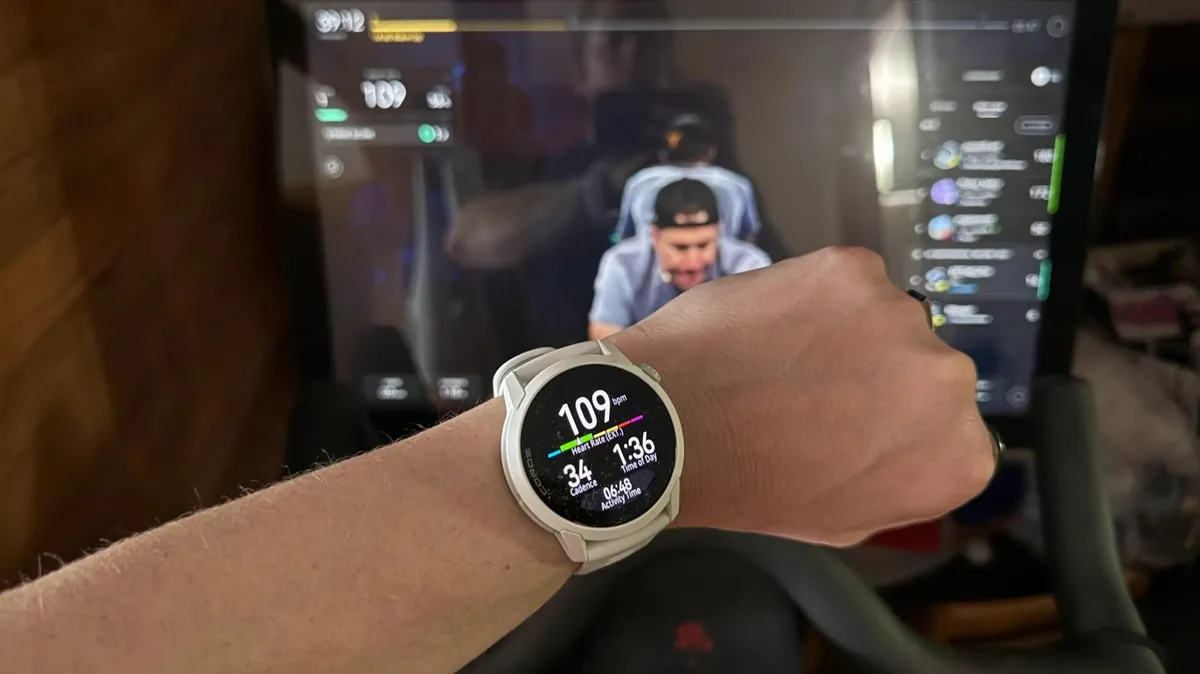
Heart rate training, repackaged
According to Lifehacker, Peloton is essentially bringing heart rate-based training back into focus with this move. The concept isn't new - heart rate zones have been a cornerstone of structured training for decades - but repackaging it around the zone 2 conversation makes it feel fresh and relevant to a generation of fitness enthusiasts who've been hearing about it nonstop from doctors, podcasters, and their most-informed gym friends.
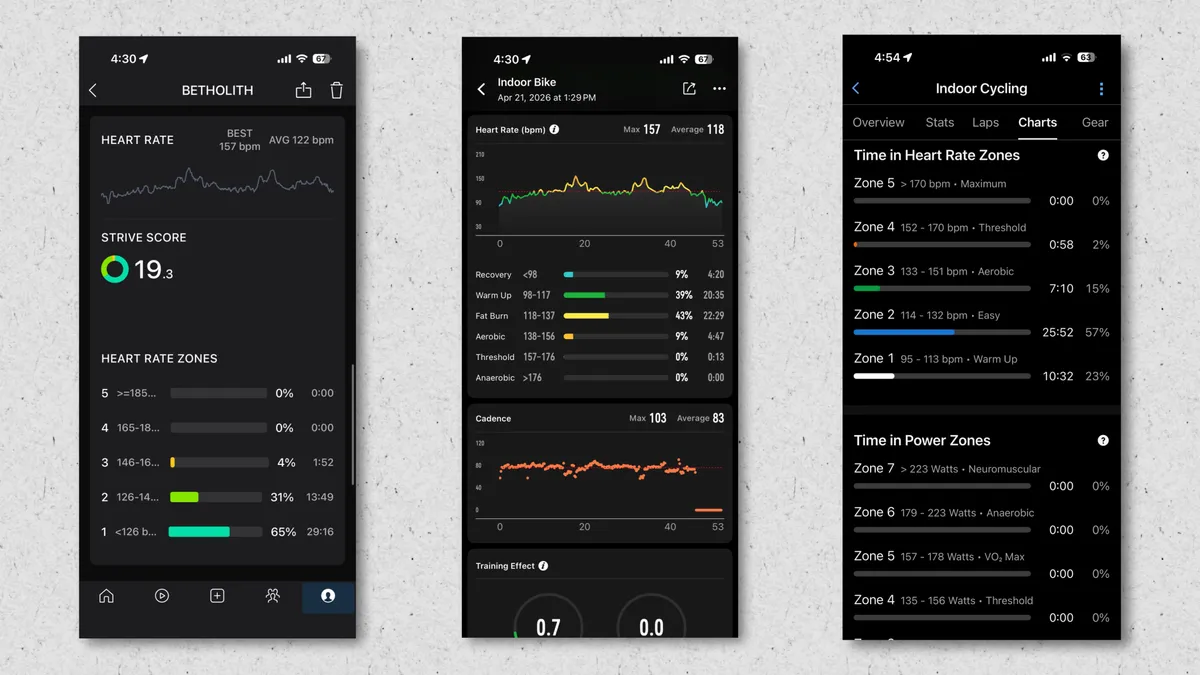
The practical upside here is significant. Having guided classes built around staying in that lower heart rate range removes a lot of the guesswork. Zone 2 training sounds simple in theory, but it can actually be surprisingly difficult to stay disciplined about keeping your intensity low when every instinct tells you to push harder.
What this means for your routine
If you're a Peloton subscriber who's been curious about zone 2 but wasn't sure how to structure it, this is a genuinely useful addition. Weaving lower-intensity sessions between harder efforts is a smart, sustainable way to build fitness without burning out - and having that structure built into a platform you're already using lowers the barrier considerably.
More broadly, this is Peloton responding smartly to where the wellness conversation is. The platform has had a turbulent few years, and staying culturally relevant means meeting users where their interests are. Zone 2 is very much where a lot of health-conscious people are right now - and Peloton clearly knows it.