Not long ago, a beauty trend born on a Paris runway might take two years to reach your local salon. Now, it takes about two weeks - and a quick scroll through your lunch break could have you booking a consultation before you've finished eating. According to a piece in Fast Company, the trend-to-treatment pipeline in aesthetics has never moved this fast, and the pressure that speed puts on the industry is genuinely unprecedented.
The scroll-to-syringe problem
Social media has fundamentally rewritten the rules of beauty. Filler trends, noninvasive procedures, and emerging techniques now emerge, peak, and start driving real appointment bookings within a matter of weeks. Consumers aren't passively absorbing these trends anymore - they're arriving at clinics with reference images, specific terminology, and high expectations shaped by algorithmically curated content.
The challenge is that the people performing these treatments haven't always had the time - or the resources - to keep pace. There's a growing mismatch between how fast aesthetic inspiration travels online and how quickly practitioners can be properly trained on new techniques and technologies.
Why this gap actually matters
It's easy to frame this as a vanity problem, but the stakes here are genuinely about safety and outcomes. When patients come in asking for a treatment a provider has never performed, or when a technique goes viral before the training infrastructure has caught up, things can go wrong. The faster trends move, the more important it becomes that education and credentialing systems move with them - not years behind.
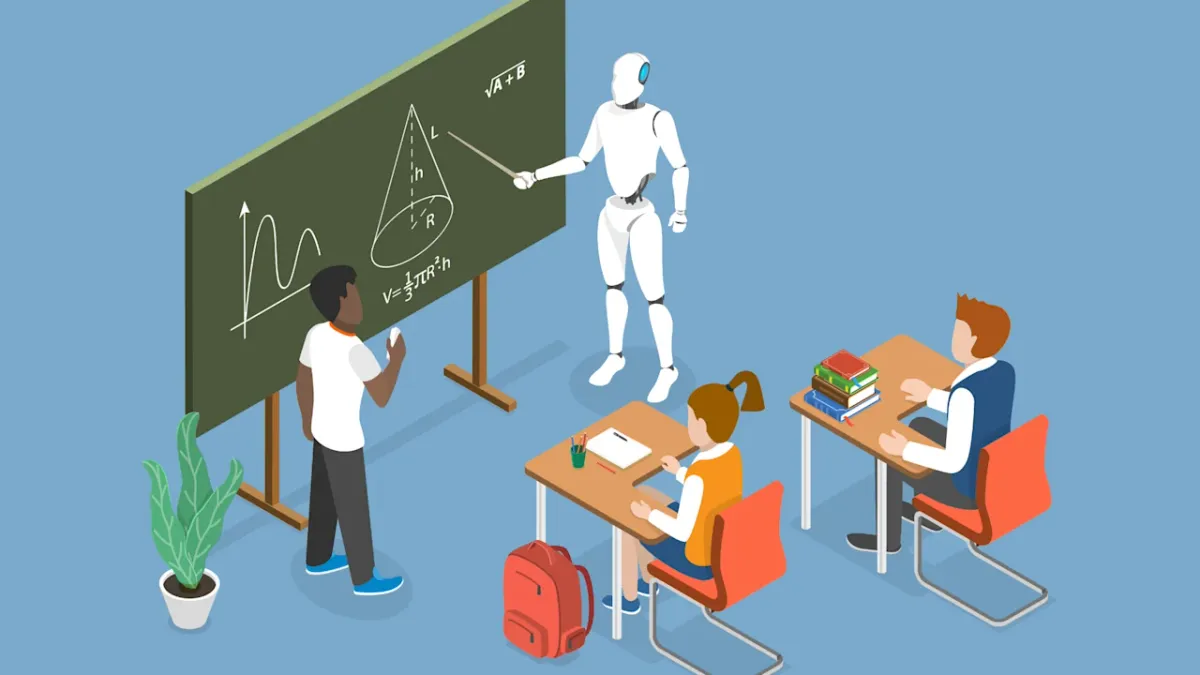
This is where the industry is starting to look seriously at what smarter tools, including better digital education platforms, can do to close that gap. The goal isn't just faster training - it's more adaptable, continuously updated learning that can respond to the real-time pace of consumer demand.
A turning point for the aesthetics world
What's interesting about this moment is that it's forcing a broader reckoning. The aesthetics industry has always sat at the intersection of medicine and culture, but social media has amplified that tension to a new level. Practitioners, regulators, and educators are now having to ask hard questions about how to build systems that are nimble enough for the TikTok era without cutting corners on what actually keeps patients safe.
For consumers, the takeaway is worth sitting with: the speed at which you discover something online and the speed at which it's truly ready for safe, skilled application aren't always the same. Asking your provider about their training and experience with a specific procedure isn't being difficult - it's just smart.