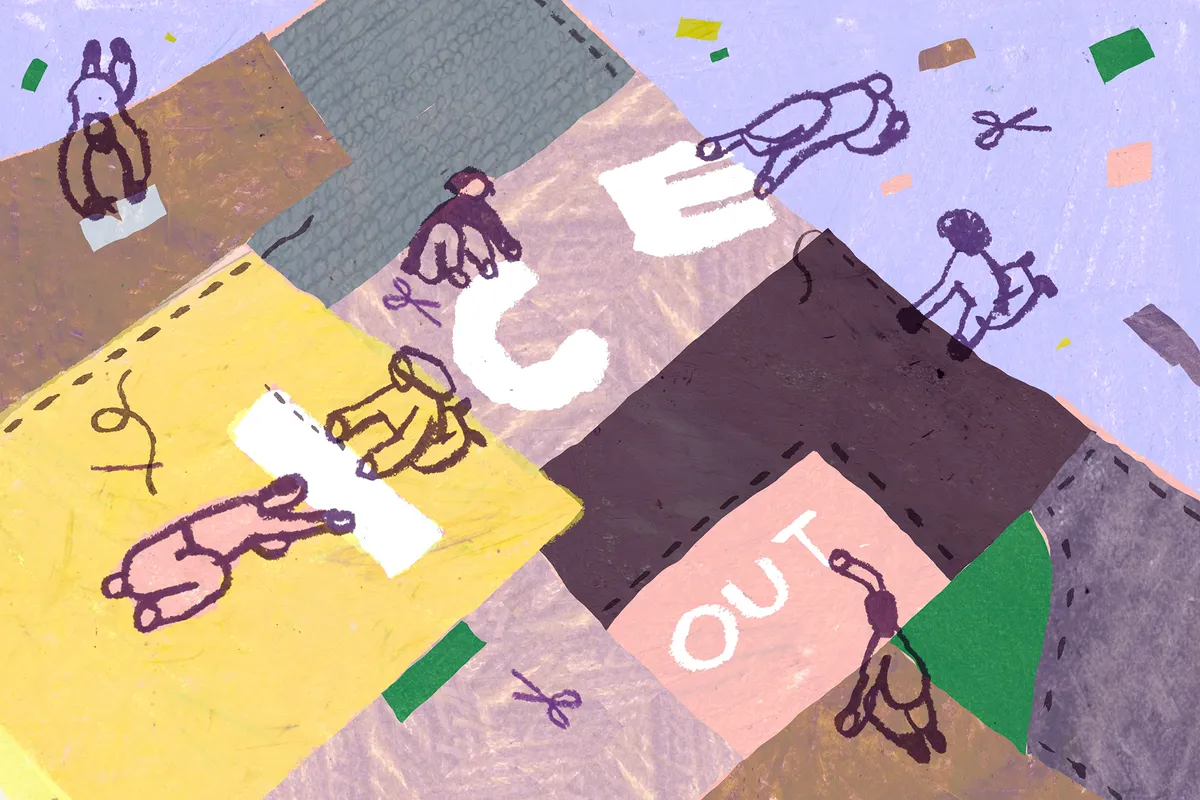
There is something quietly radical about picking up knitting needles or a quilting frame when the world feels like it is spinning out of control. And according to a piece from Vox, that impulse is surging right now - bringing with it a whole conversation about what political crafting can and should look like in 2024 and beyond.
A stitch in time
Catherine Paul, an artist, writer, and lifelong knitter, remembers the last big wave of resistance crafting vividly. "Back in 2017, I made a ton of pussyhats," she told Vox. "I just knitted pink hats like there was no tomorrow." At the time, Paul valued how craft could signal solidarity and belief in a tangible, wearable way.
But the pussyhat story grew complicated fast. What started as a symbol of collective defiance became associated with a narrower vision of feminism - one that spoke loudest to middle-class, mostly white American women - and the broader Women's March movement wrestled publicly with questions of inclusion and representation. The hats faded from demonstrations, and with them went some of the enthusiasm for politically charged making.
So why are people picking it back up?
The short answer is that the urge to do something - anything - with your hands when anxiety peaks is deeply human. Crafting gives people agency when larger systems feel immovable. It is tactile, it is slow, and it produces something real. In a world saturated with digital noise, that matters more than ever.
But the conversation has also matured. Crafters today seem more alert to the lessons of the pussyhat era - aware that symbols need to be genuinely inclusive to carry genuine weight, and that the communities gathered around a project shape its meaning as much as the object itself does.
Making meaning, not just things
What is emerging now is a more thoughtful kind of resistance craft - one that asks who is in the room, whose stories are being told, and what the finished object actually communicates. Quilts, hats, banners, and wearables are all back on the table, but with more intentionality stitched in.
For anyone who has ever found comfort in repetitive making - the rhythm of a knit stitch, the geometry of a quilt block - this moment feels like both a homecoming and an evolution. Craft has always held political potential. The question is what we choose to do with it.