Few things get people talking quite like modern architecture bumping up against centuries-old buildings - and a new addition to Angers Cathedral in France is proving no exception.
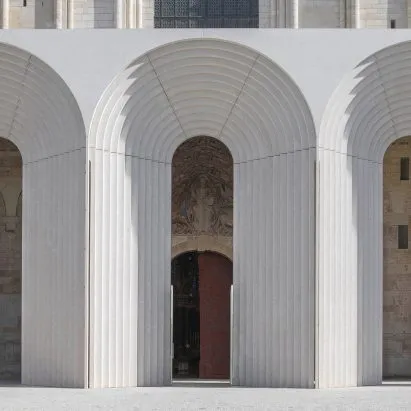
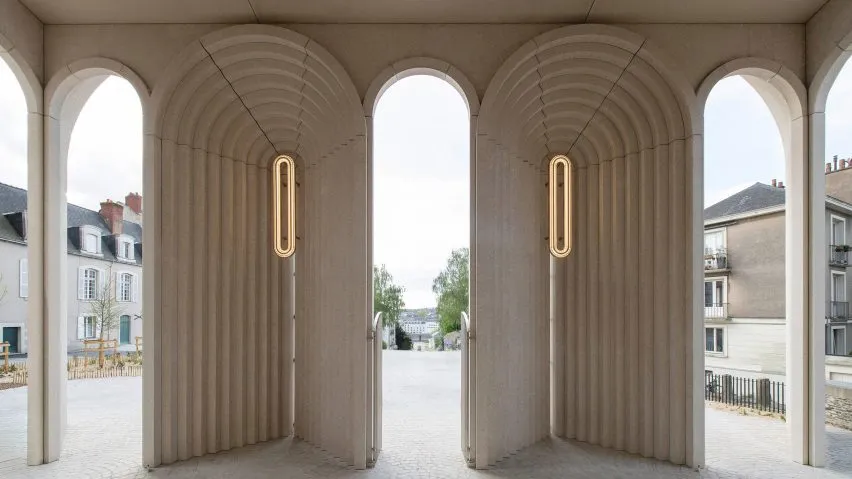
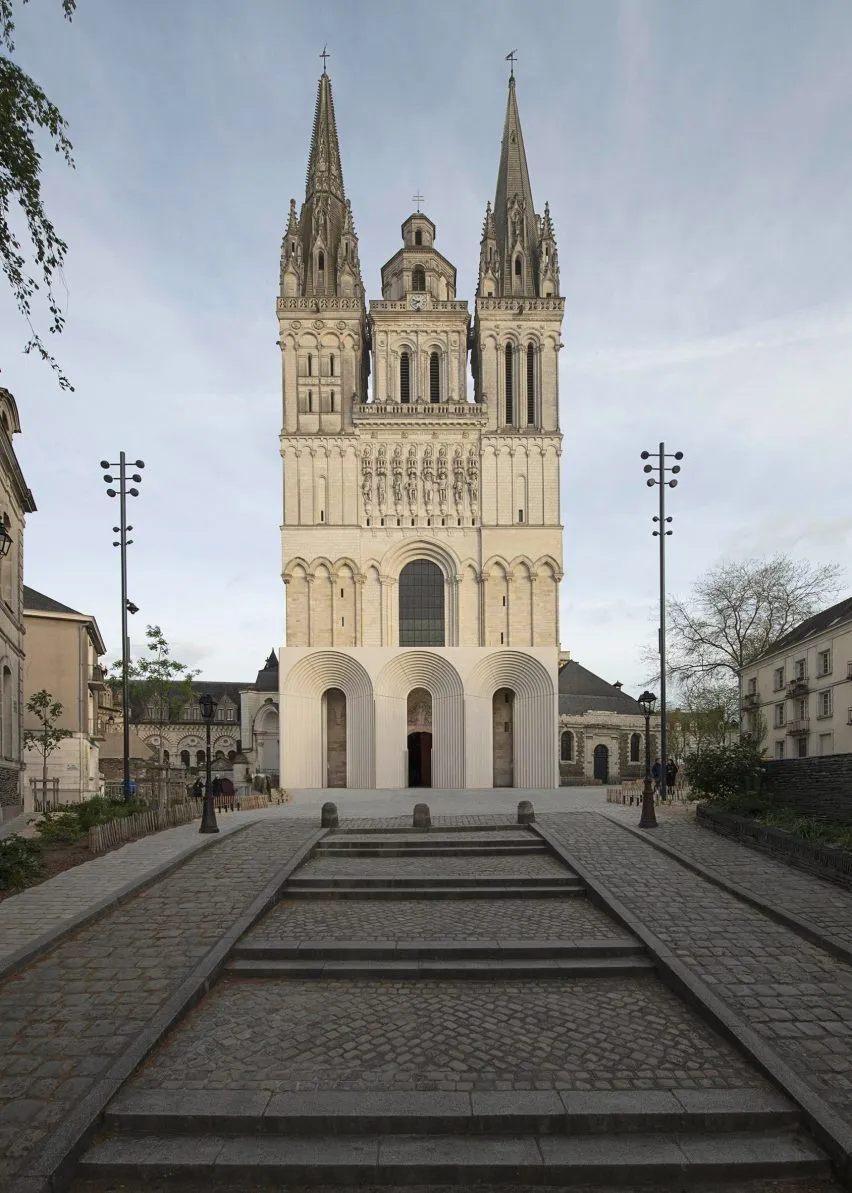
Japanese architect Kengo Kuma recently unveiled a new arched entrance to the cathedral, a Gothic landmark in the Loire Valley built in the Angevin style. The structure, made from concrete, doubles as a gallery space while framing the cathedral's existing medieval sculptural doorway on its west side. On paper, it sounds considered and purposeful. In practice? Readers have feelings.
The quote that says it all
One commenter, responding to coverage on design publication Dezeen, landed the take of the week: "A beautiful face wearing a VR headset." It's the kind of line that makes you laugh and wince at the same time - because once you've read it, it's very hard to unsee.
The remark captures something real about the tension at the heart of this project. The cathedral's west doorway is richly detailed medieval stonework, the kind that took generations to complete and carries enormous cultural weight. Placing a bold contemporary structure in front of it is a deliberate artistic choice - but for some, it reads less as dialogue and more as interruption.
Context matters here
To be fair to Kuma, architects working on historic sites are almost never in a no-win situation by accident. These commissions are typically the result of years of consultation, heritage assessments, and careful negotiation with preservation authorities. The goal is usually to make a historic building more accessible and functional for modern visitors - not to upstage it.
And Kuma is no stranger to this kind of challenge. His practice has long explored how contemporary design can sit respectfully alongside older structures, often using natural materials and restrained forms to do so. The fact that this particular addition reads as anything but restrained to some observers is what makes the conversation interesting.

Worth arguing about
The VR headset comment cuts to the heart of a debate that isn't going away any time soon: when does a contemporary intervention enhance a historic site, and when does it compete with it? There's no clean answer, which is probably why comment sections light up every time one of these projects drops.
What's clear is that people care deeply about these spaces - and that caring loudly, even critically, is its own kind of engagement. The cathedral has stood for hundreds of years. It can probably handle a spirited internet argument or two.