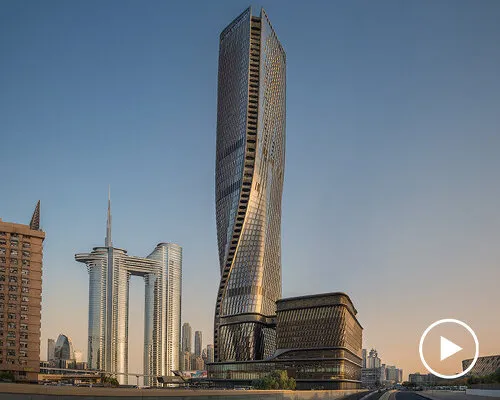
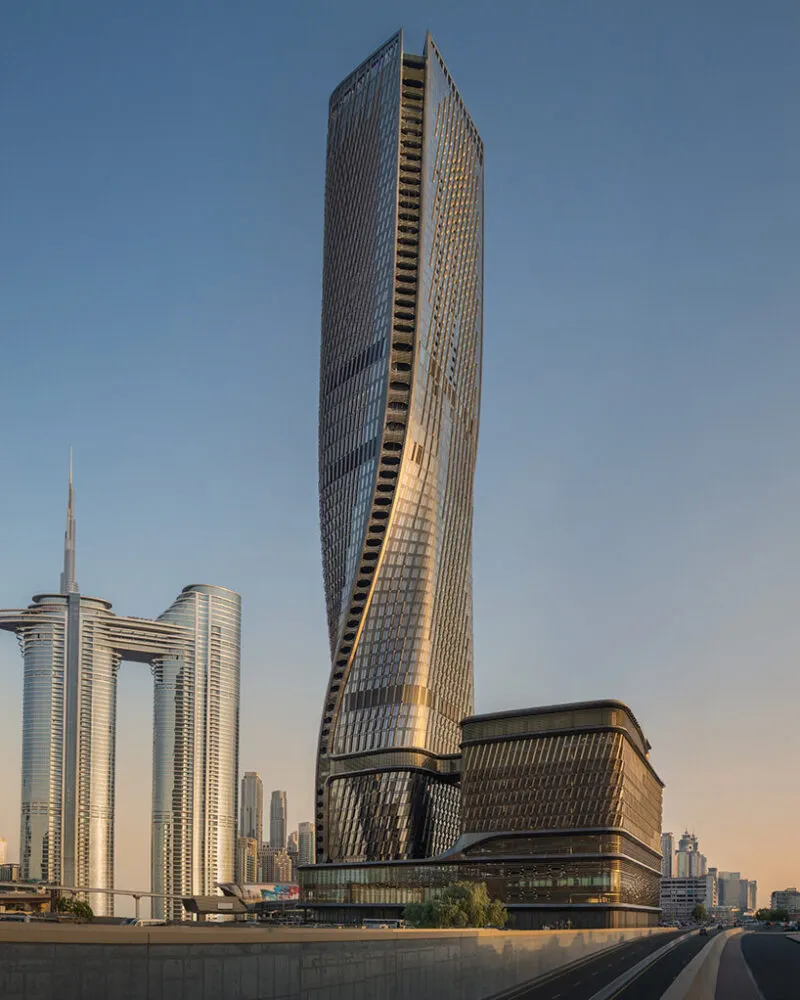
Dubai has never been shy about dramatic architecture, but the newly completed wasl tower by UNS is turning heads even by that city's lofty standards. The building doesn't just rise - it twists, adopting what architects describe as a contrapposto stance, that same dynamic, weight-shifting posture found in classical Renaissance sculpture. The result is a skyscraper that feels almost alive.
When art history meets engineering
The contrapposto concept - borrowed from sculptures like Michelangelo's David - gives the tower a sense of movement and tension that most high-rises simply don't have. Rather than shooting straight up, the building leans and rotates, creating a silhouette that changes depending on where you're standing. It's the kind of design thinking that blurs the line between architecture and large-scale art.
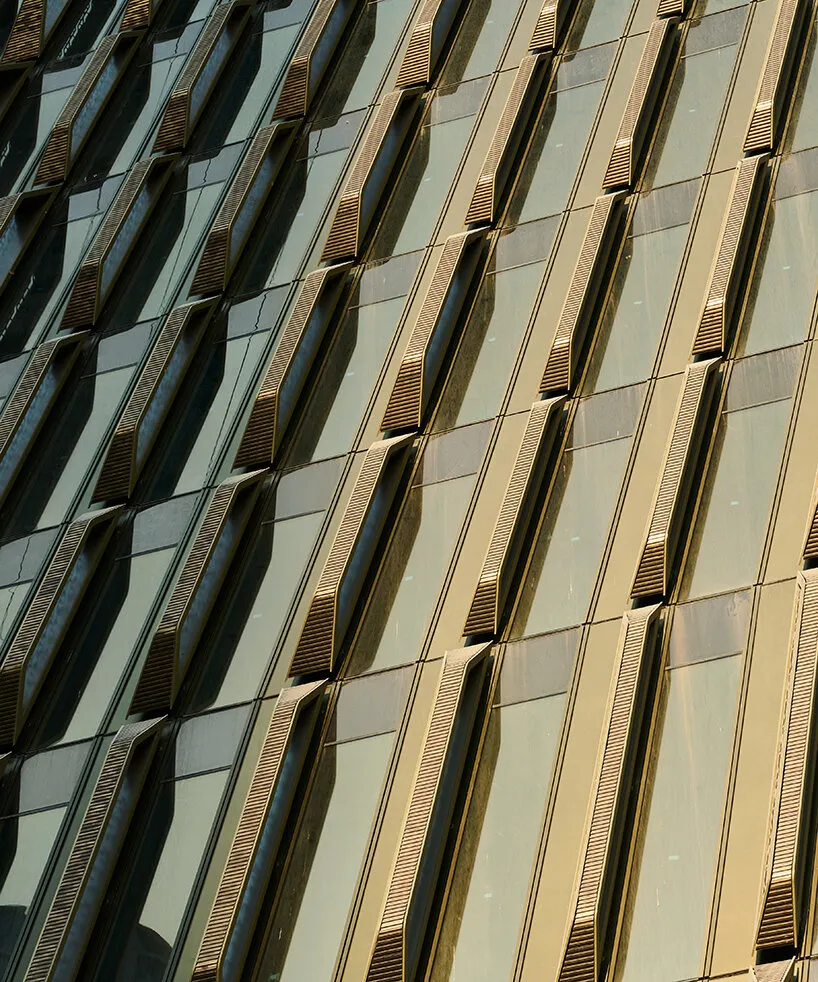
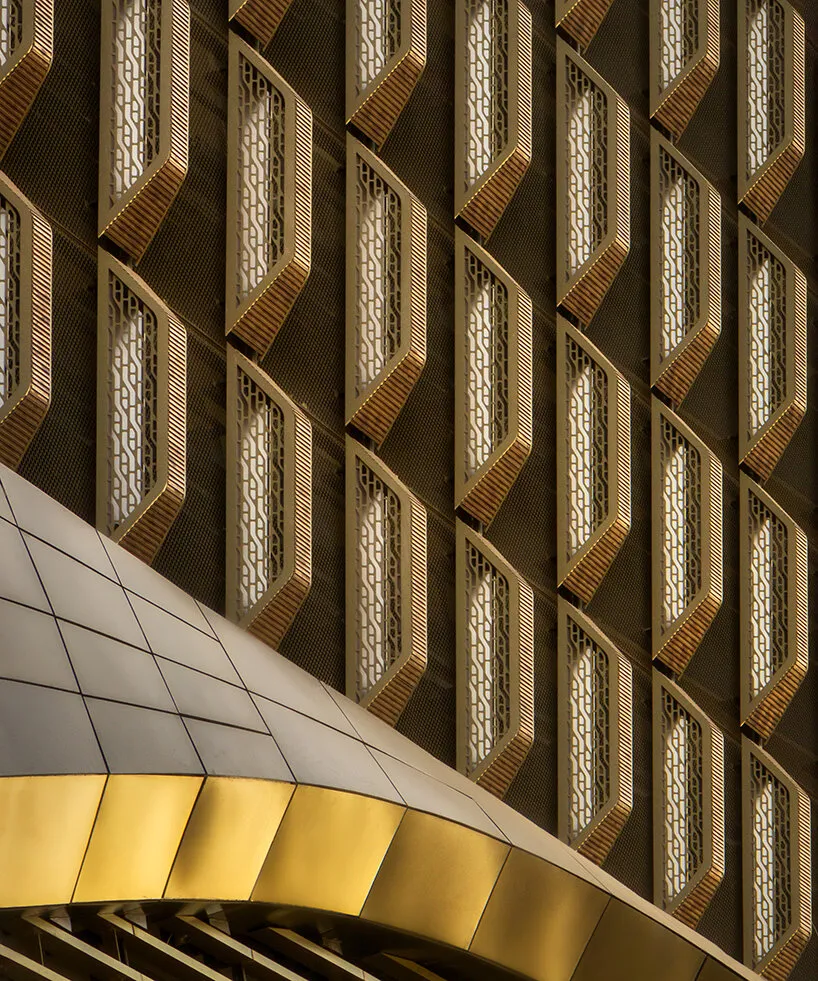
Wrapping the exterior is a ceramic facade, a choice that's both visually striking and practically smart. Ceramic cladding handles heat and sun exposure well, which matters enormously in the UAE's punishing climate. This isn't just aesthetic decision-making - it's part of a broader set of sustainable strategies baked into the building's design from the ground up.
Sustainability built into the form itself
What makes wasl tower particularly interesting is how its shape and its environmental performance are connected. The twisting form isn't purely decorative - it's designed to work with the surrounding environment, influencing how wind moves around the structure and how solar exposure is managed across the facade. In a region where cooling costs can be enormous, that kind of integrated thinking genuinely matters.
UNS has positioned the tower as a case study in how high-rise design can push past the glass box default and explore form as a functional tool. The ceramic cladding supports this further, offering durability and thermal properties suited to desert conditions while giving the building its distinctive warm, textured appearance.
Why this one stands out
Dubai's skyline is already one of the most recognizable in the world, packed with ambitious towers competing for attention. But wasl tower earns its place not just through spectacle. The combination of a genuinely sculptural concept, climate-conscious material choices, and sustainable design strategies gives it substance beyond the visual drama.
As cities worldwide grapple with making tall buildings more responsible - both environmentally and aesthetically - projects like this offer a compelling argument that those goals don't have to conflict. You can build something that looks extraordinary and still makes thoughtful choices about how it performs. Wasl tower, as reported by designboom, is a strong example of exactly that balance.