Here's a fact that might stop you mid-scroll: every time someone in the US buys an AR-15, a handgun, a shotgun, or a box of ammunition, a slice of that purchase goes toward protecting wildlife. It sounds like an unlikely pairing, but it's been happening for decades - and most people have no idea.
According to a report from Vox, the connection comes down to a piece of legislation called the Federal Aid in Wildlife Restoration Act, better known as the Pittman-Robertson Act. It's one of those quietly powerful laws that operates in the background of everyday life, doing significant work without much fanfare.

How it actually works
The basic mechanism is straightforward. A federal excise tax is applied to firearms and ammunition sales, and that money is then channeled to state wildlife agencies across the country. Those agencies use the funding for conservation programs, habitat restoration, and wildlife management - the kind of work that keeps ecosystems functioning and species from disappearing.
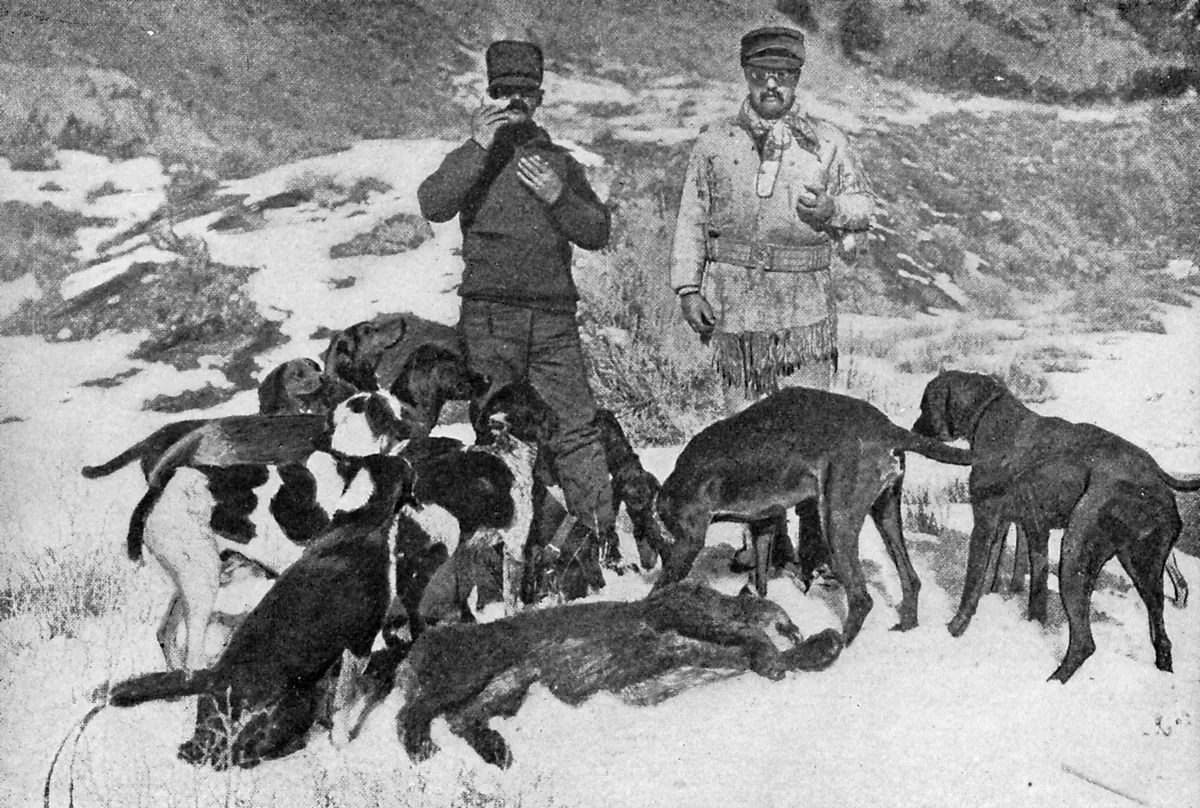
It's a funding model that has proven remarkably durable. While conservation budgets are often vulnerable to political shifts and spending debates, this one is tied directly to consumer purchases rather than annual appropriations. Every gun sale essentially becomes a small, automatic contribution to the natural world.
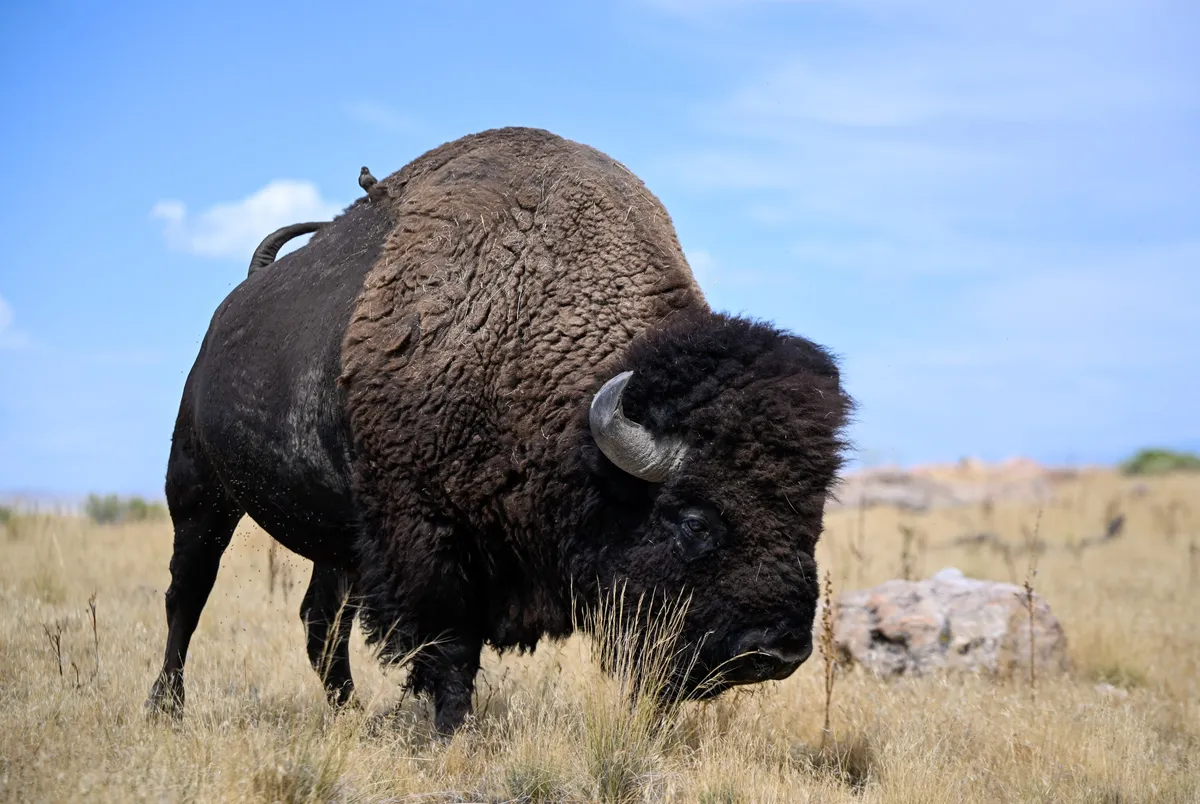
Why this matters right now
The detail that makes this especially worth knowing is the scale. Firearms are a massive industry in the US, which means the revenue flowing into conservation through this channel is substantial. It's a reminder that funding for environmental protection doesn't always come from the places you'd expect - and that the relationship between industries and ecological outcomes can be genuinely complex.
It also raises interesting questions about how conservation gets paid for more broadly. With biodiversity under increasing pressure and funding for wildlife programs often stretched thin, understanding where the money actually comes from - and what keeps it flowing - matters more than ever.
The Pittman-Robertson Act is a rare example of a policy that has created a lasting, if unlikely, alliance between two worlds that don't often share the same conversation. Whether you're a gun owner or not, it's hard not to appreciate the ingenuity of a system that's been quietly bankrolling nature for generations.