If you've been following the slow but steady progress in Alzheimer's research, you'll know that recent years have brought genuine reasons for optimism. New treatments targeting amyloid plaques in the brain have moved from theory to clinical reality. But according to one of the field's most influential voices, a cure isn't just a matter of finding the right drug.
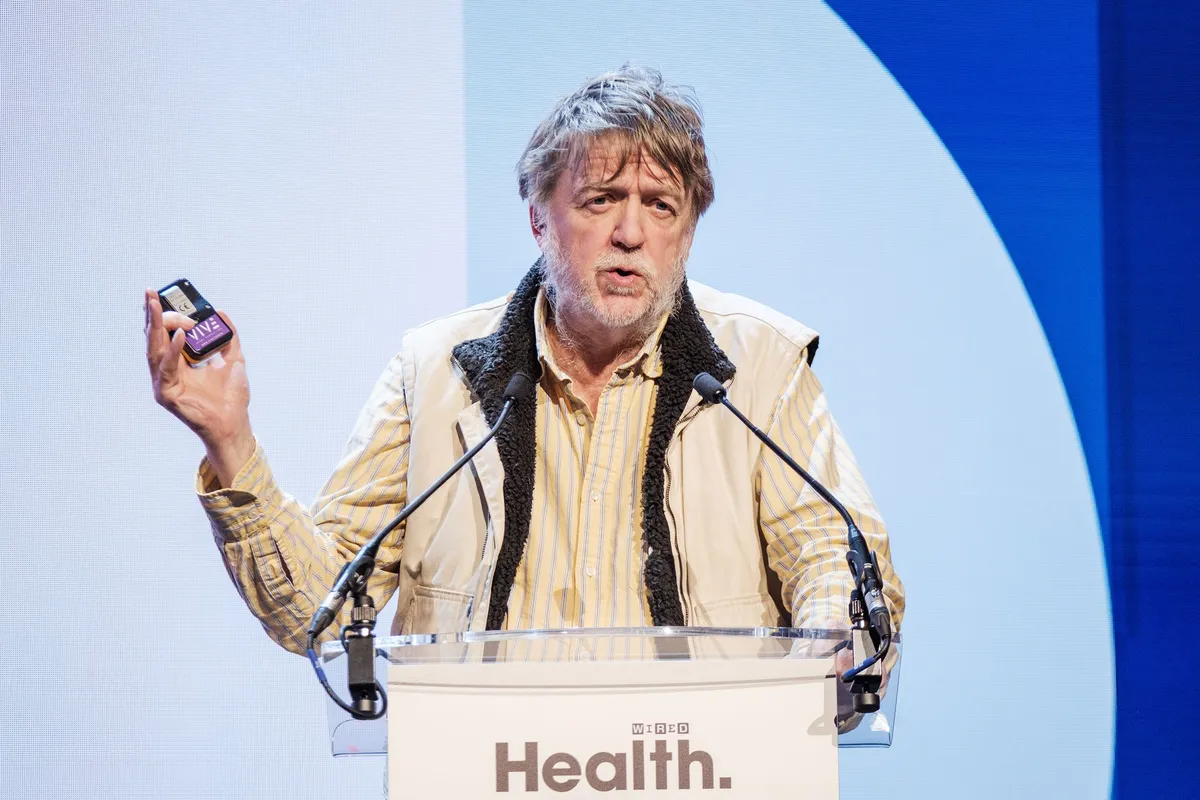
At WIRED Health, pioneering Alzheimer's researcher John Hardy laid out both the promise and the complexity ahead for dementia treatment - and his message was a useful reality check for anyone expecting a single breakthrough moment to change everything.
The science is moving, but it's complicated
Hardy, whose decades of work helped establish the amyloid hypothesis as a central framework for understanding Alzheimer's, is clear-eyed about where things stand. The development of amyloid-targeting therapies represents real progress, but the disease itself is far more layered than any one treatment can fully address. Genetics, lifestyle, timing of intervention - all of it matters enormously.
One of the more striking themes from his WIRED Health talk is the importance of early detection. Treatments appear far more effective when started before symptoms become severe, which means the medical community needs much better tools to identify who is at risk and when to intervene. That's partly a scientific challenge, but it's also a logistical and societal one.

It's not just about labs and clinical trials
This is where things get interesting for the rest of us. Hardy's broader point - that tackling Alzheimer's will require more than just science - speaks to something that health researchers increasingly emphasize: the gap between discovery and real-world impact is enormous, and it doesn't close on its own.
Better screening infrastructure, greater public awareness, equitable access to emerging treatments, and sustained funding all need to move in step with the laboratory work. A drug that exists but doesn't reach the right patients at the right time isn't delivering its full potential.
Why this matters right now
Dementia affects tens of millions of people globally, and those numbers are expected to rise significantly as populations age. For the 20-40 demographic, this might feel distant - but it shapes decisions being made right now about healthcare systems, research funding, and how we support ageing family members.
Hardy's perspective, shared at WIRED Health, is a reminder that the most important health challenges of our time don't have tidy solutions. They require sustained effort across science, policy, and culture working together. The next Alzheimer's breakthrough will be exciting when it comes - but the real work is everything that has to happen around it.