Sunscreen shopping has somehow become one of the most overwhelming parts of a skincare routine. The shelves are stacked with mineral options, chemical formulas, sprays, sticks, and tinted versions - each promising to be the one that finally doesn't leave you looking like a ghost or feeling like you've rubbed shortening on your face. So when WIRED decided to test 36 different sunscreens across real outdoor conditions, the results were genuinely worth paying attention to.
Why this kind of testing matters
Lab ratings are one thing, but sunscreen performance in the wild is another story entirely. The WIRED team brought their selections to summer hikes, spring ski days, and beachside hangouts - the kinds of situations where sweat, wind, and prolonged exposure actually reveal how a formula holds up. That's the testing environment most of us actually care about, and it's a much harder bar to meet than a controlled setting.
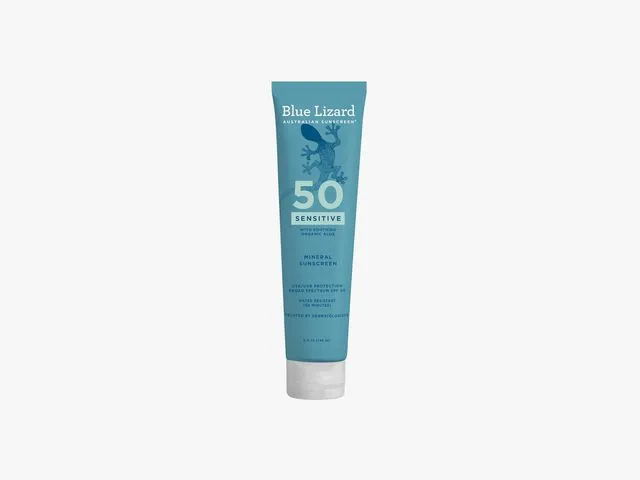
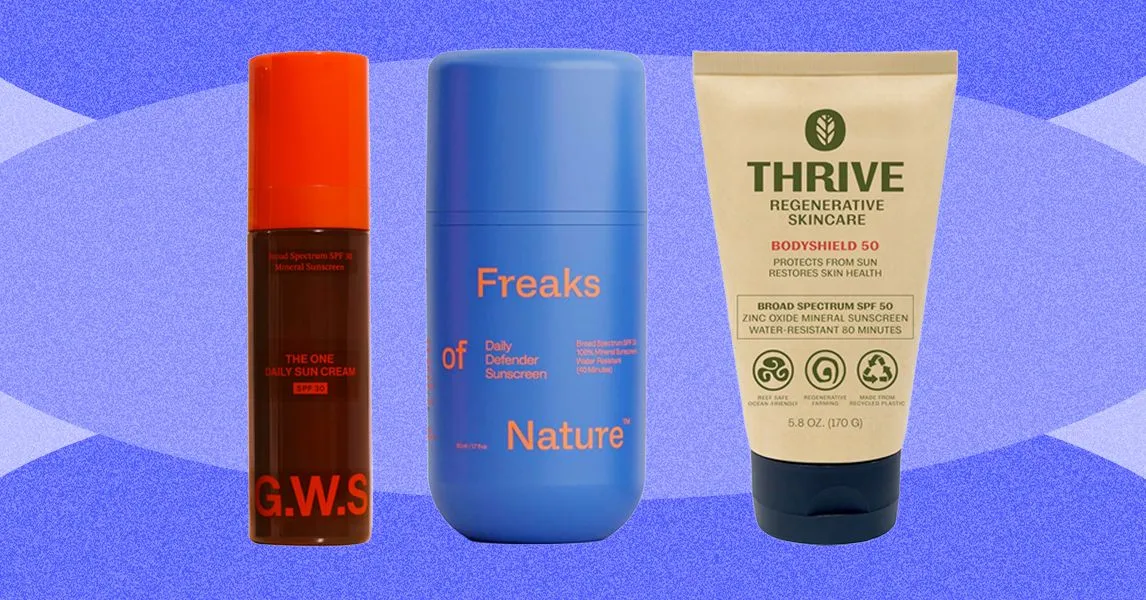
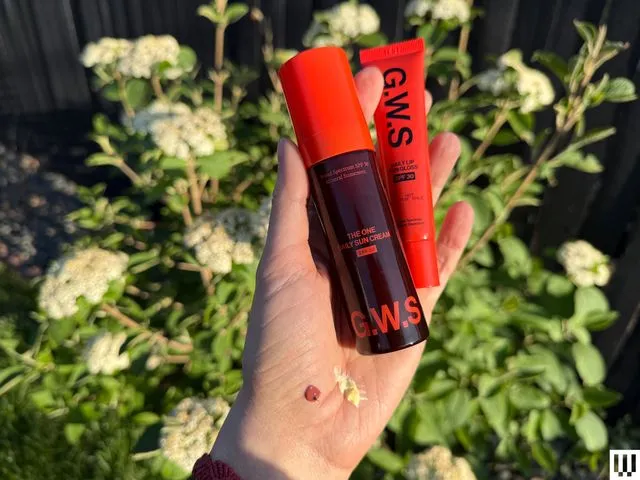
Out of the 36 products tested, 11 made the final cut. The shortlist spans mineral, chemical, and spray varieties, which means there's likely a match for your skin type, activity level, and personal preferences around texture and finish.
Mineral vs. chemical - does it still matter?
The debate between mineral and chemical sunscreen has been running for years, and the honest answer is that the best one is the one you'll actually wear consistently. Mineral formulas using zinc oxide or titanium dioxide tend to sit on the skin and physically block UV rays, making them a solid pick for sensitive skin types. Chemical formulas absorb into the skin and convert UV radiation into heat - they often blend more seamlessly but can cause irritation for some people.
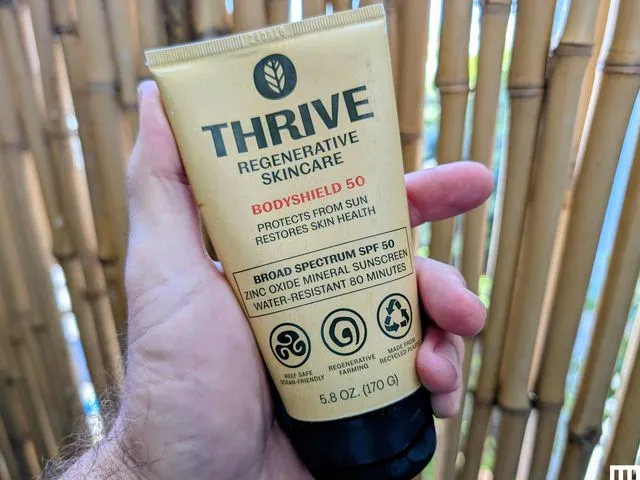
Sprays, meanwhile, remain convenient but notoriously easy to under-apply. Getting even coverage requires more effort than most people put in, which is worth keeping in mind if you're reaching for one before a long day outdoors.
What to look for before you buy
Beyond SPF numbers - and dermatologists generally recommend SPF 30 at minimum, with SPF 50 for extended outdoor time - it's worth thinking about how you plan to use it. Something lightweight and non-greasy makes sense for daily face use under makeup. A water-resistant, higher-SPF formula is smarter for beach days or sweaty outdoor activities. And if you have oily or acne-prone skin, a gel-based or oil-free option will feel a lot more comfortable by hour three.
You can find WIRED's full tested and reviewed list at wired.com, where they break down each pick with specifics on texture, finish, and the conditions it was tested in. It's a genuinely useful resource if you want to cut through the noise and just find something that works.