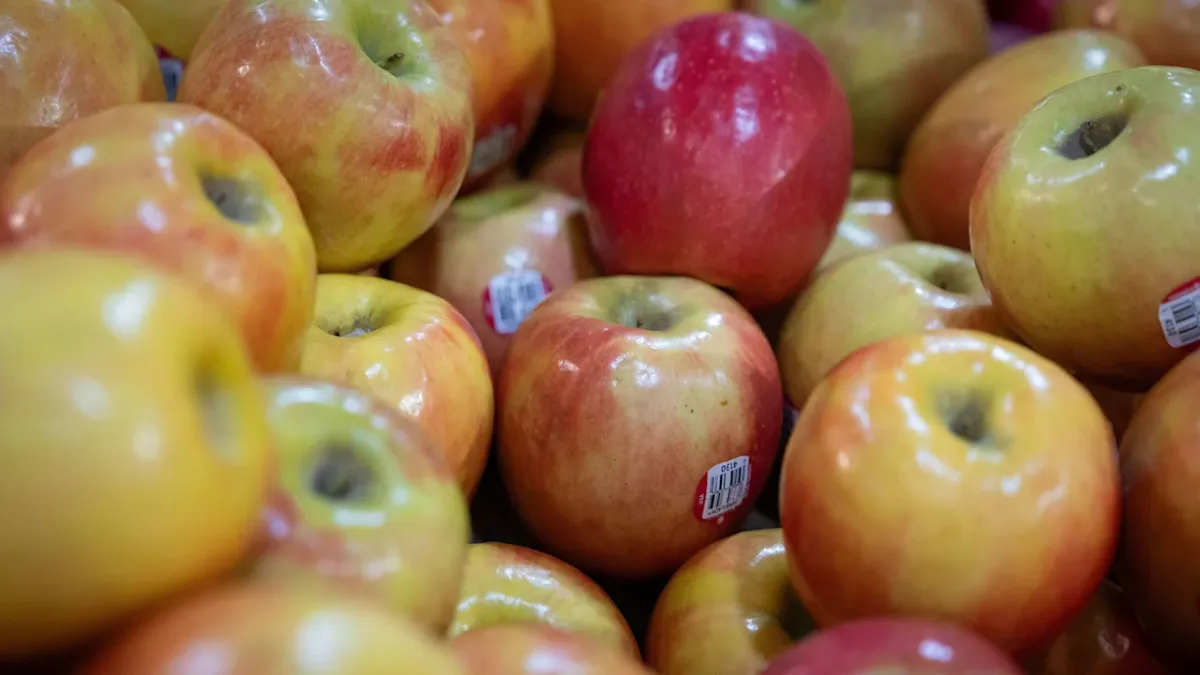
If your last trip to the supermarket left you wincing at the total, you're not imagining things. Grocery prices rose 2.9% in April compared to the same time last year - the steepest year-over-year increase for at-home food since August 2023, according to government figures released this week.
The easy explanation is gas prices, which have surged in the wake of the Iran war and pushed up the cost of transporting goods across the country. Fuel is a real factor, no question. But it's only part of the story, and understanding the full picture matters if you're trying to budget smartly right now.
More than one thing is driving this
Food prices are shaped by a tangle of forces - fuel costs, supply chain pressures, labor, weather, and global commodity markets all play a role. When multiple of those factors move in the same direction at once, consumers feel it fast. That appears to be exactly what's happening heading into mid-2025.
It's also not just happening at the grocery store. Prices at restaurants, fast-food chains, and other spots where you'd grab a prepared meal also climbed, pushing overall food inflation up to 3.2% year-over-year. So whether you're cooking at home or eating out, the pressure is real across the board.
What this means for your everyday spending
A 2.9% annual increase might not sound dramatic on paper, but it adds up quickly across a full household's worth of groceries week after week. And coming at a time when many people are already watching their budgets carefully, even modest price creep can feel significant.
The good news is that awareness is half the battle. Knowing that inflation is being driven by multiple overlapping factors - not just a single spike that's likely to fade - helps set realistic expectations. Prices may not bounce back down quickly once fuel costs stabilize.
For now, strategies like buying in bulk on staples, leaning into store-brand alternatives, and meal planning around what's actually on sale remain as useful as ever. Not exactly groundbreaking advice, but when the data is pointing toward sustained pressure rather than a quick blip, the boring fundamentals tend to matter most.
According to reporting from Fast Company, this latest data marks a notable shift in food cost trends - one worth keeping an eye on as the year progresses.