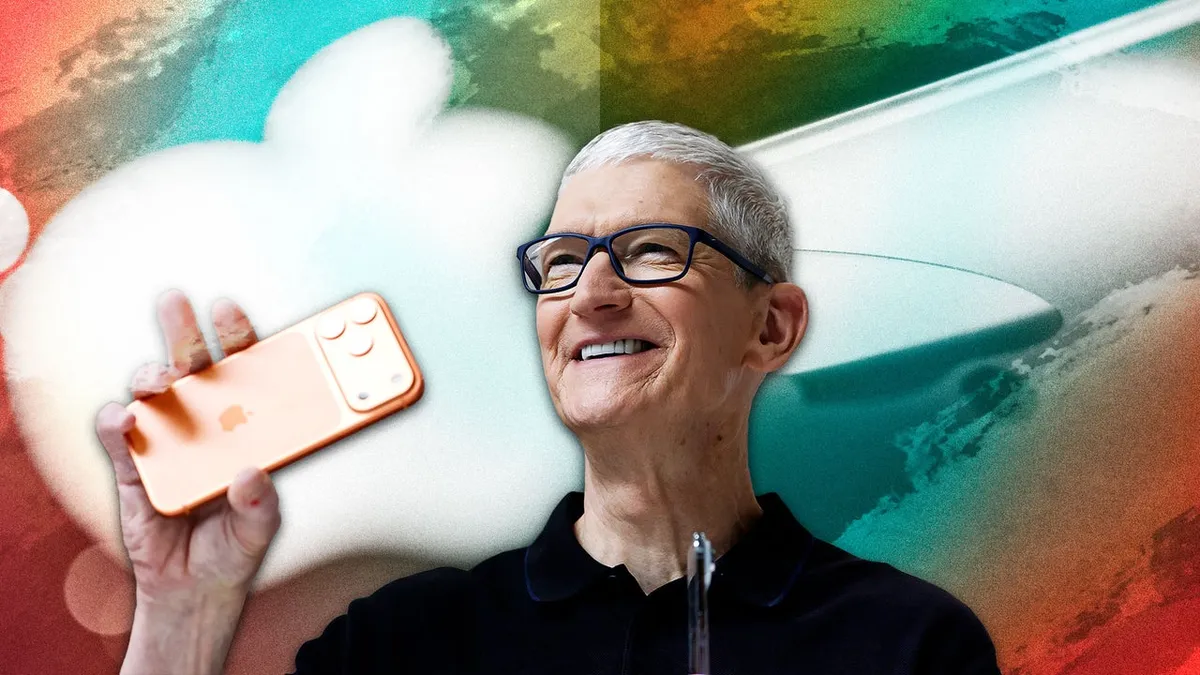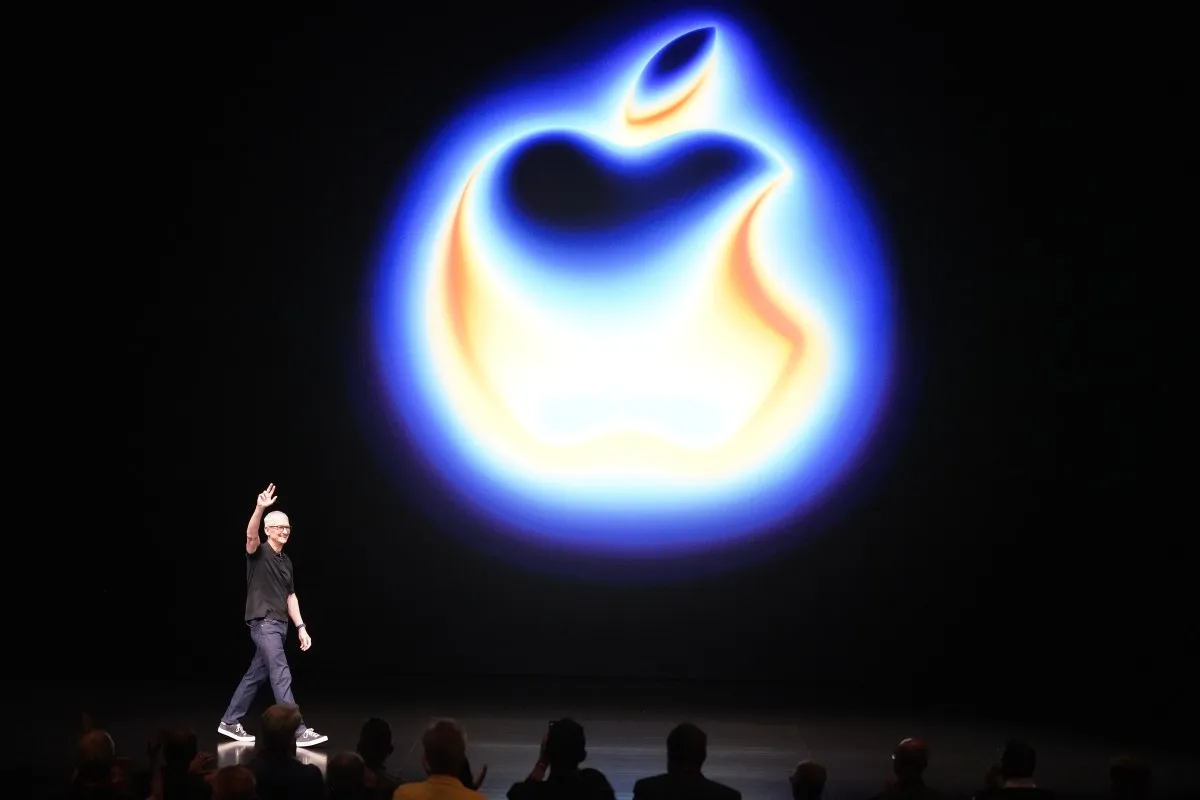
When Steve Jobs handed Tim Cook the keys to Apple back in 2011, the tech world collectively held its breath. Jobs was a once-in-a-generation visionary. Cook was... the supply chain guy. Surely this was the beginning of the end, right?
Wrong. Spectacularly, embarrassingly wrong.
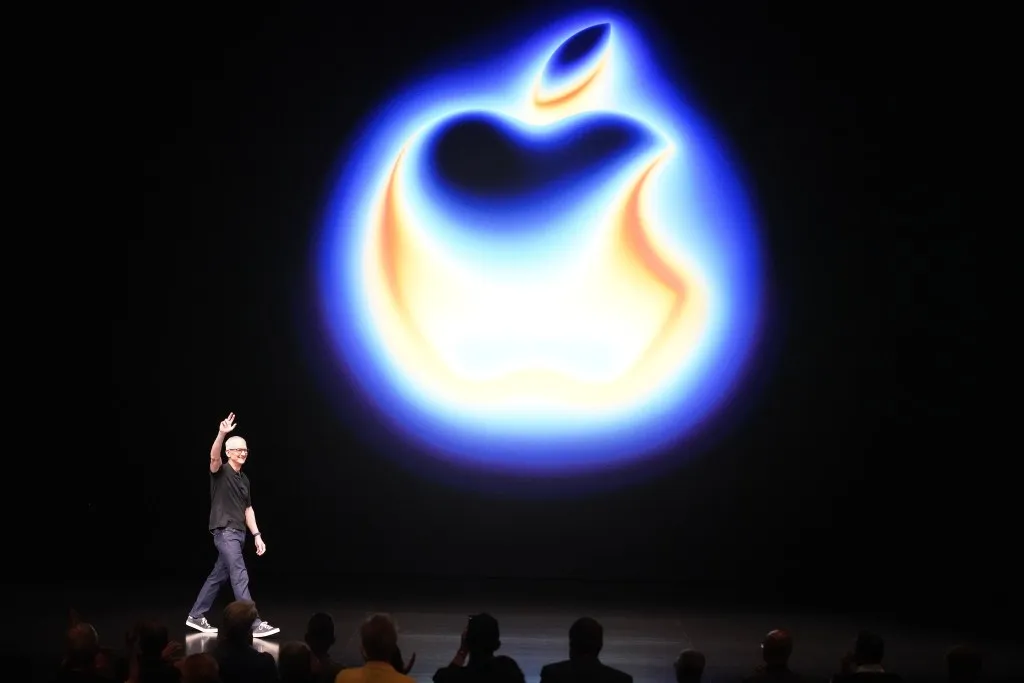
From 'the ops guy' to one of the most powerful CEOs on the planet
Cook had actually been at Apple since 1998, quietly making the company's manufacturing and logistics machine hum like a perfectly tuned MacBook Pro. When he officially took the top job in August 2011, Apple was already massive - but what he built from there borders on the surreal.
We're talking about a company now valued at $4 trillion. That's not a typo. Four. Trillion. Dollars. To put that in perspective, that's more than the GDP of Germany, the fourth largest economy on Earth.
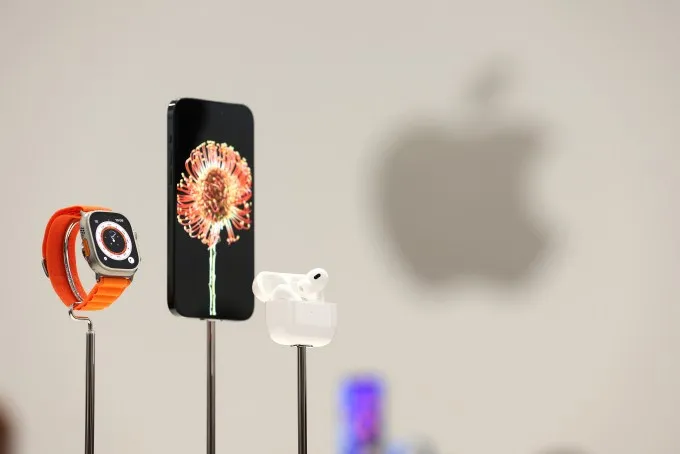
So what did he actually do?
According to a retrospective published by TechCrunch, Cook's tenure reshaped Apple from a product-obsessed cult into something more like a diversified tech giant with services, wearables, and an ecosystem so sticky it might as well be made of industrial-grade velcro.
The Apple Watch, AirPods, Apple TV+, Apple Pay - none of these existed when Cook took over. Services, which now includes the App Store, iCloud, and Apple Music, became a revenue juggernaut that Wall Street basically salivates over every quarter. Cook understood something his predecessor perhaps didn't prioritize as loudly: recurring revenue is a beautiful, beautiful thing.
The Jobs comparisons never really stopped
And look, we have to address it - the internet spent a solid decade waiting for Cook to "ruin" Apple. Every year without a reality-bending product launch was treated as proof that the magic was gone. But Cook's Apple kept growing, kept printing money, and kept convincing hundreds of millions of people to upgrade their phones every two years like clockwork.
His style was quieter, more measured, more focused on privacy and corporate responsibility than on dramatic keynote moments. Different, sure. A failure? Absolutely not.
Fifteen years is a long time in tech years
In an industry where CEOs come and go faster than iOS updates, Cook's 15-year run is genuinely remarkable. He inherited an iconic company at its peak and somehow made it bigger, richer, and arguably more entrenched in daily life than ever before.
The supply chain guy, it turns out, knew exactly what he was doing.