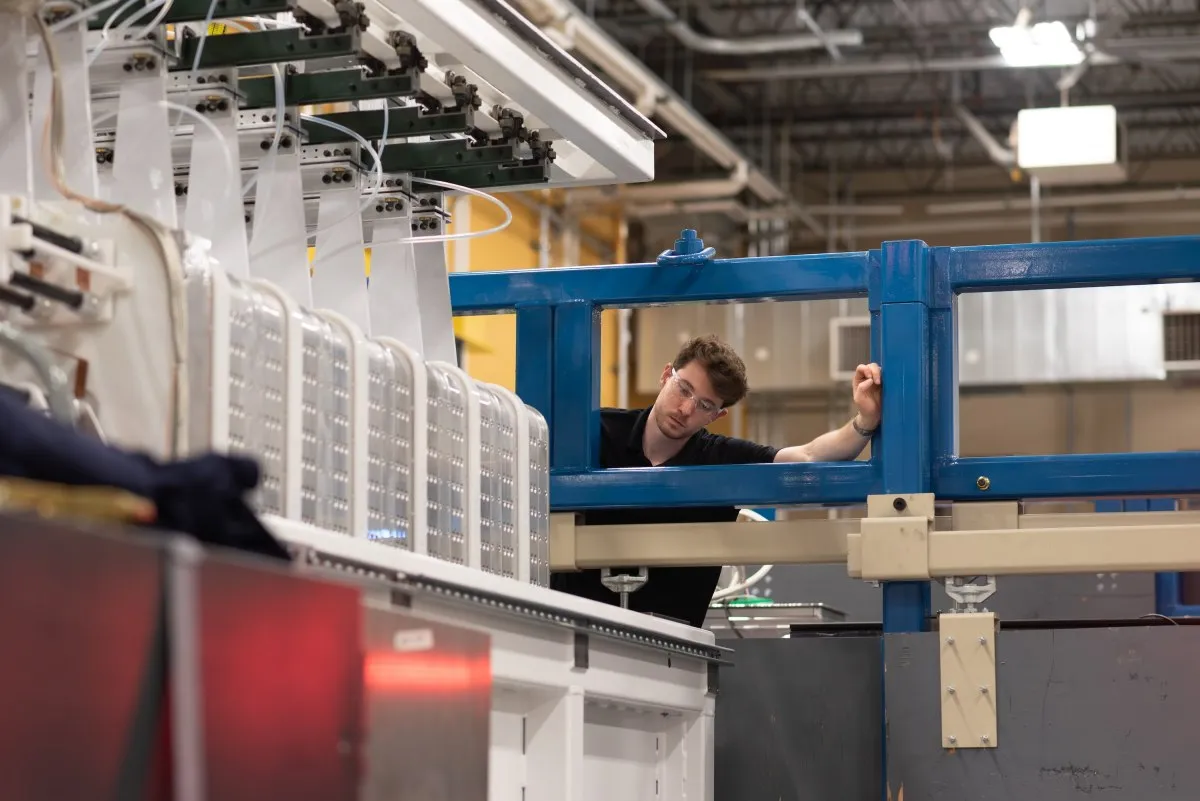
If you ever worried that billionaires weren't spending their money on sufficiently unhinged projects, allow fusion startup Xcimer Energy to put your mind at ease. The company has just fired up the world's largest privately owned laser, and honestly, the only appropriate response is to slow clap while nervously backing out of the room.
So what is actually going on here?
Xcimer flipped the switch on this absolute unit of a laser system, making it the biggest privately held one on the planet. That's not a minor flex - we're talking about a machine that puts every supervillain lair prop to shame. The goal, to be clear, is not world domination. It's fusion energy, which is arguably more ambitious.
Fusion power is the famously stubborn holy grail of clean energy - always 20 years away, until suddenly it isn't. The idea is to replicate the process that powers the sun, smashing hydrogen atoms together to release enormous amounts of energy. Lasers are one of the key tools for achieving the extreme conditions needed to make that happen.
Why this matters beyond the obvious coolness factor
Private investment in fusion has been accelerating hard over the last few years, and Xcimer is part of a new wave of startups convinced that the engineering problems are finally solvable. Having your own record-breaking laser is a pretty loud statement of intent.
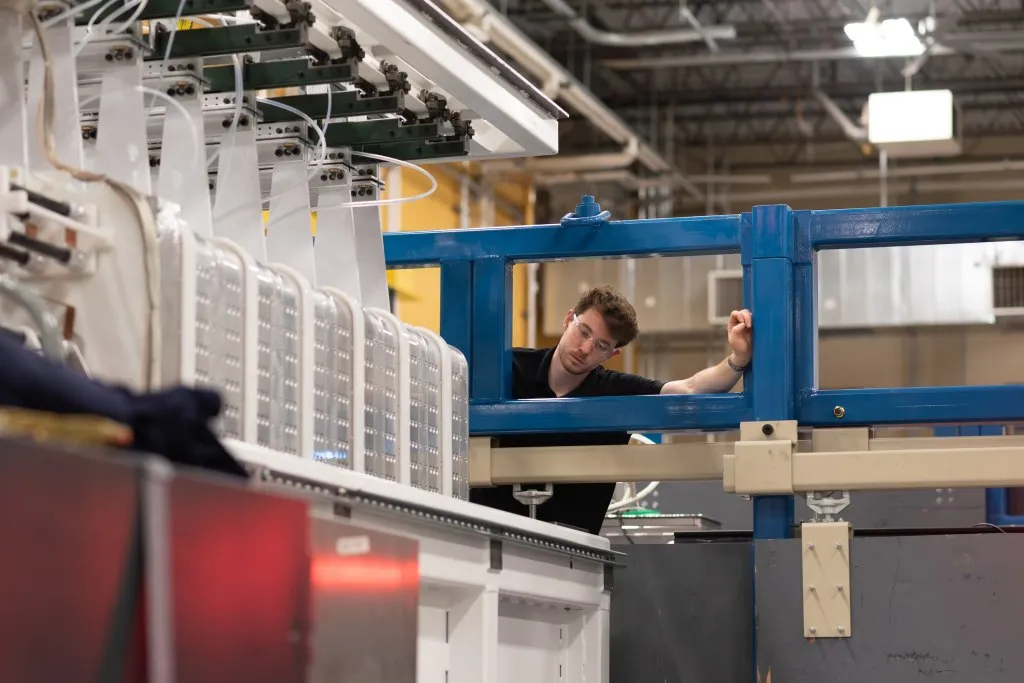
For context, the previous gold standard for laser-powered fusion experiments has largely been the National Ignition Facility - a government-backed project that famously achieved a net energy gain from fusion in late 2022. Xcimer is essentially saying: hold our beer, we're building our own version, and we own it.
The part where we acknowledge this is genuinely wild
There is something deeply 2020s about the fact that a private company now controls the world's most powerful laser. A decade ago this would have been a plot point in a slightly lazy sci-fi thriller. Now it's a Tuesday press release reported by TechCrunch.
Whether Xcimer can actually deliver on the fusion promise remains to be seen - this is still very early days, and the gap between "we have a big laser" and "we have a working fusion power plant" is enormous. But getting the hardware fired up is a genuine milestone, not just a PR stunt.
And look, even if the fusion dream takes another decade to pan out, at least we live in a world where a startup can casually build the largest private laser ever made. Science is doing fine, people. Science is doing just fine.