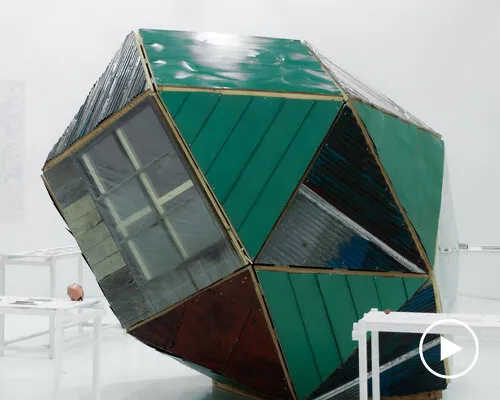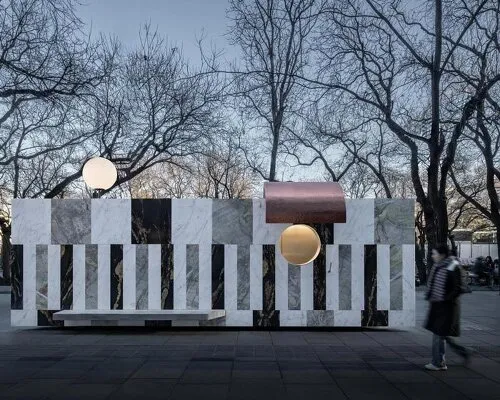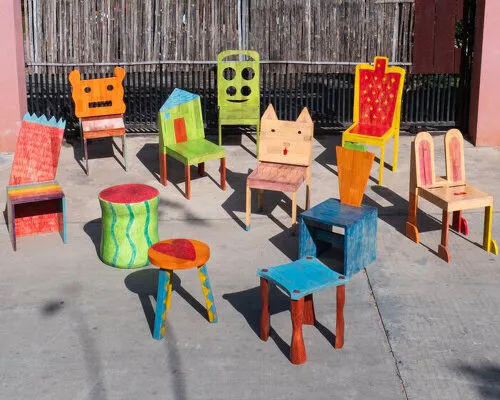
In a world where every product launch comes wrapped in phrases like "precision-engineered" and "flawlessly executed," designer Taekhan Yun has walked into the room and quietly asked everyone to calm down.
His work, as highlighted by Designboom, centers on something genuinely radical in today's design landscape: tenderness. Not the greeting-card kind, but the real, structural kind - the kind that allows ideas to stay a little rough, a little unresolved, and honestly, a little more human because of it.
Slow down, you move too fast
Yun's process is built around drawing, collaboration, and the physical act of making things. Not sprinting to a polished prototype. Not optimizing for the fastest path from concept to consumer. He's interested in how ideas actually form - the messy, nonlinear, occasionally frustrating way that real creative thinking works.
And here's the thing: that slowness is a feature, not a bug. When you rush to resolve every tension in a design, you sand away exactly the parts that make people feel something. The imperfection is often where the personality lives.
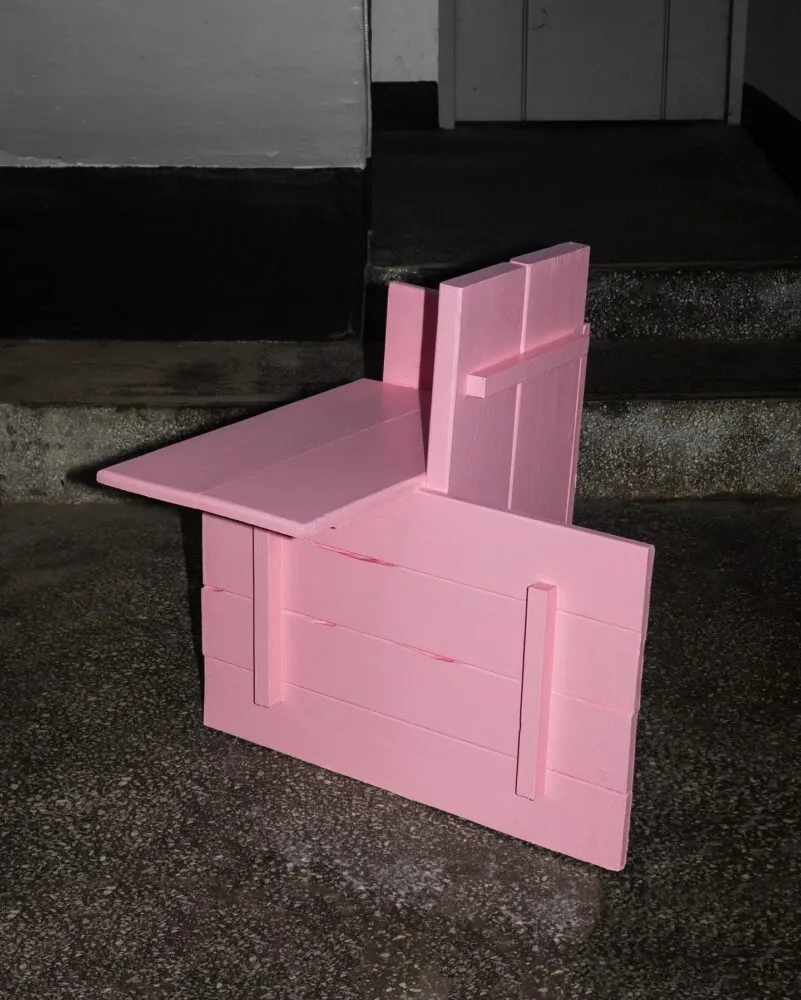
Fragile things are worth protecting
Central to Yun's practice is a focus on human presence and softness - exploring what it means to leave room for fragility in objects and spaces rather than engineering it out. In design culture that worships sleek minimalism and structural certainty, choosing to preserve what's delicate is almost a rebellious act.
It raises a genuinely interesting question: what does it feel like to be around things that aren't trying so hard? Objects that carry a little uncertainty, a little warmth, a little visible evidence that human hands and minds were involved?
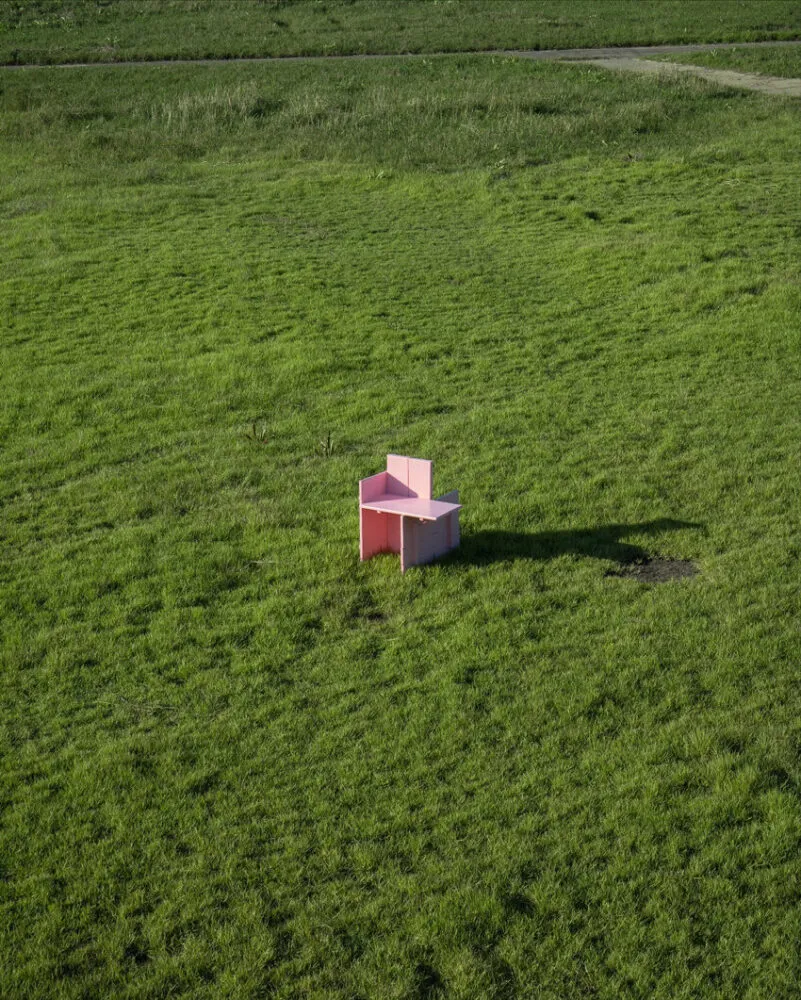
Why this actually matters
We're living through a moment where AI-generated images look perfect, mass production has never been smoother, and everything from furniture to font choices can be optimized in seconds. The result is an aesthetic monoculture that's technically impressive and emotionally kind of hollow.
Yun's approach - deliberately slow, openly collaborative, comfortable with the unresolved - is a counterargument to all of that. It's a reminder that design doesn't just solve problems. At its best, it holds space for the complicated, tender, imperfect business of being a person.
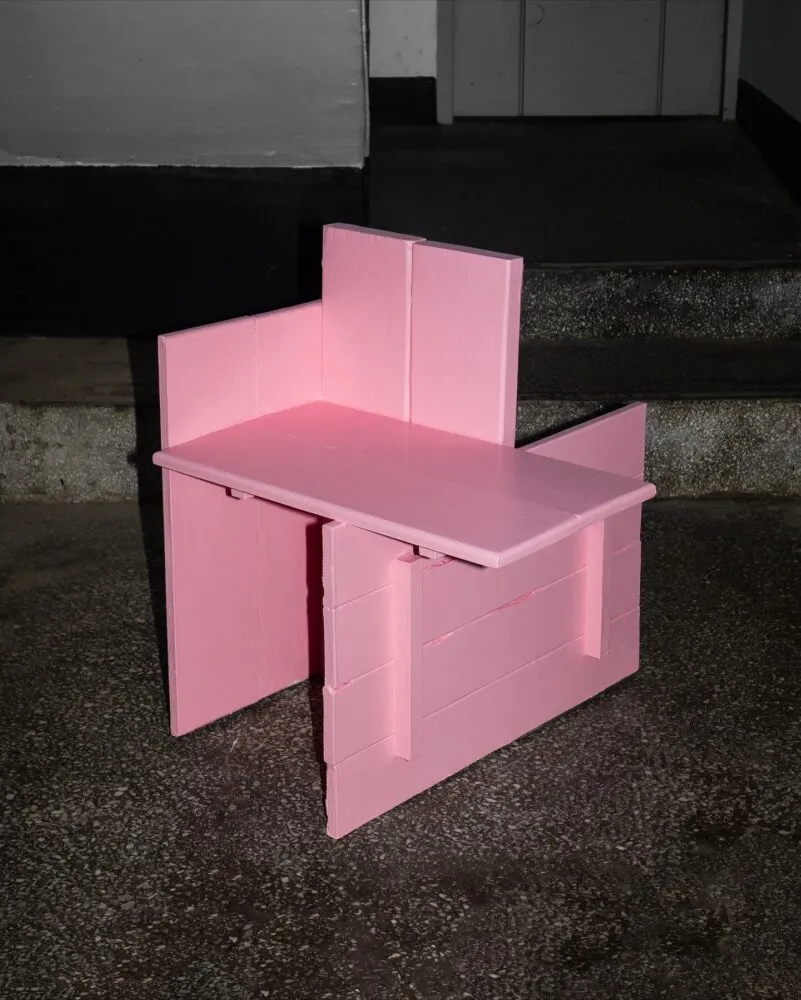
Not every chair needs to look like it was rendered by a machine. Some things are better for being a little bit soft around the edges.