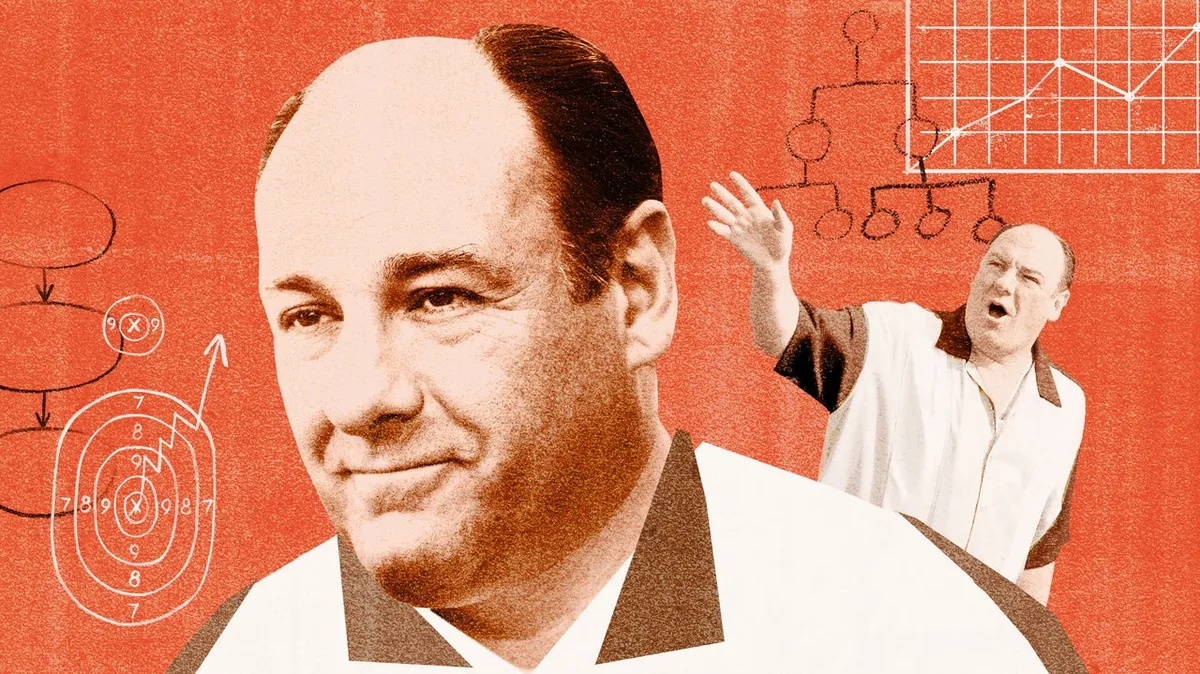
Tony Soprano was, by most measurable metrics, a wildly successful executive. Strong margins, market dominance, ruthless competitor elimination. Sure, the employee turnover was "unfortunate" - often permanently so - but the guy got results.
And yet, even the most feared boss in New Jersey started to wonder if maybe, just maybe, he was missing something.
When your management style is literally a crime
According to a piece over at Fast Company, Tony's psychiatrist Dr. Jennifer Melfi pushed him toward a more collaborative leadership style - better listening, more thoughtful engagement with subordinates, the whole "emotionally intelligent leader" playbook that fills airport bookshops.
Soprano paused. Considered it. And then - well, the source material cuts off there, but if you've seen the show, you know he did not exactly pivot to servant leadership.
Which is kind of the point.
The blindspot that power builds for you
Here's the uncomfortable truth that the Tony Soprano framing illustrates perfectly: the same traits that get strong leaders to the top - decisiveness, intimidation, an iron grip on information flow - are the exact traits that eventually leave them exposed.
When people are afraid of you, they stop telling you things. Bad news gets filtered. Problems get buried. Everyone around you gets very good at telling you what you want to hear, and you start making decisions based on a reality that nobody around you is willing to puncture.
It's not just a mob boss problem. It's a boardroom problem. A startup founder problem. A "visionary genius who's actually kind of terrifying to work for" problem.
Why this is more relevant than ever
We're in a weird cultural moment where "strong leader" energy is having something of a renaissance - the cult of the decisive, no-nonsense, take-no-prisoners boss is back in fashion. Which makes the Soprano lesson feel pretty timely.
Coercive leadership works, until it spectacularly doesn't. And the failure mode is almost always the same: the leader is the last person in the room to see it coming, because they've spent years making sure nobody would dare tell them.
Dr. Melfi saw it. Tony's crew saw it. Everyone saw it except Tony.
The strongest leaders, it turns out, aren't the ones who can silence a room. They're the ones who can actually hear what's being said in it.
Even if what's being said is deeply inconvenient.