Horror movies have always held a mirror up to society's darkest impulses. But the new Faces of Death remake is doing something more unsettling than your average gore-fest - it's making a pointed argument about internet culture, and according to reporting by Wired, it's not entirely wrong.
Meet the killer who thinks he's giving us what we want
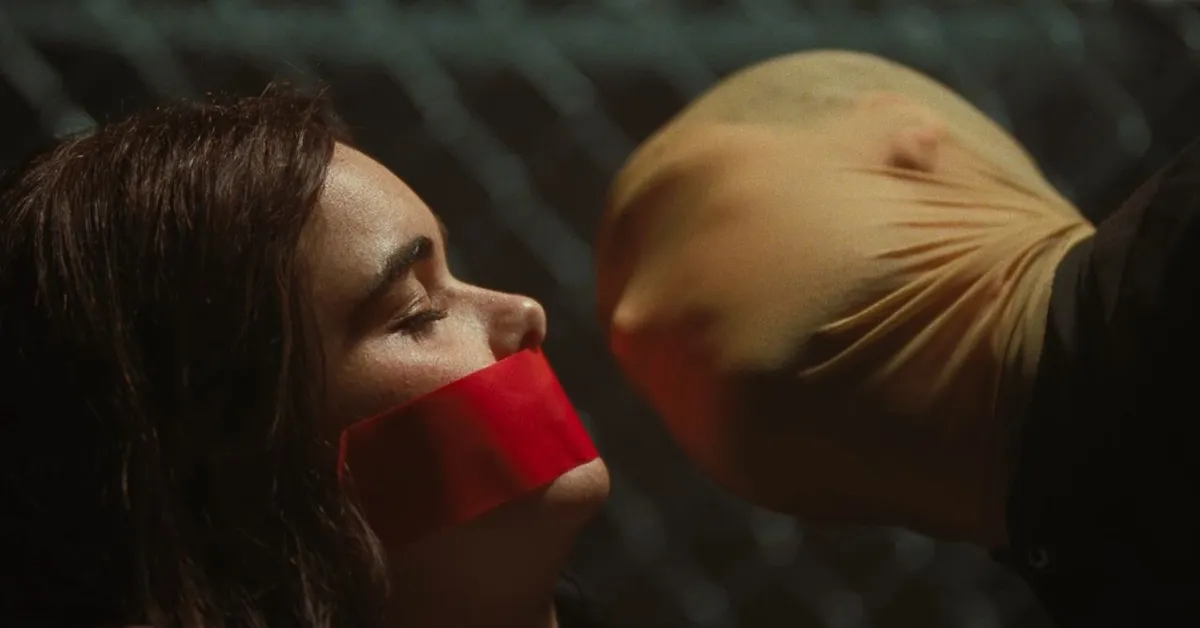
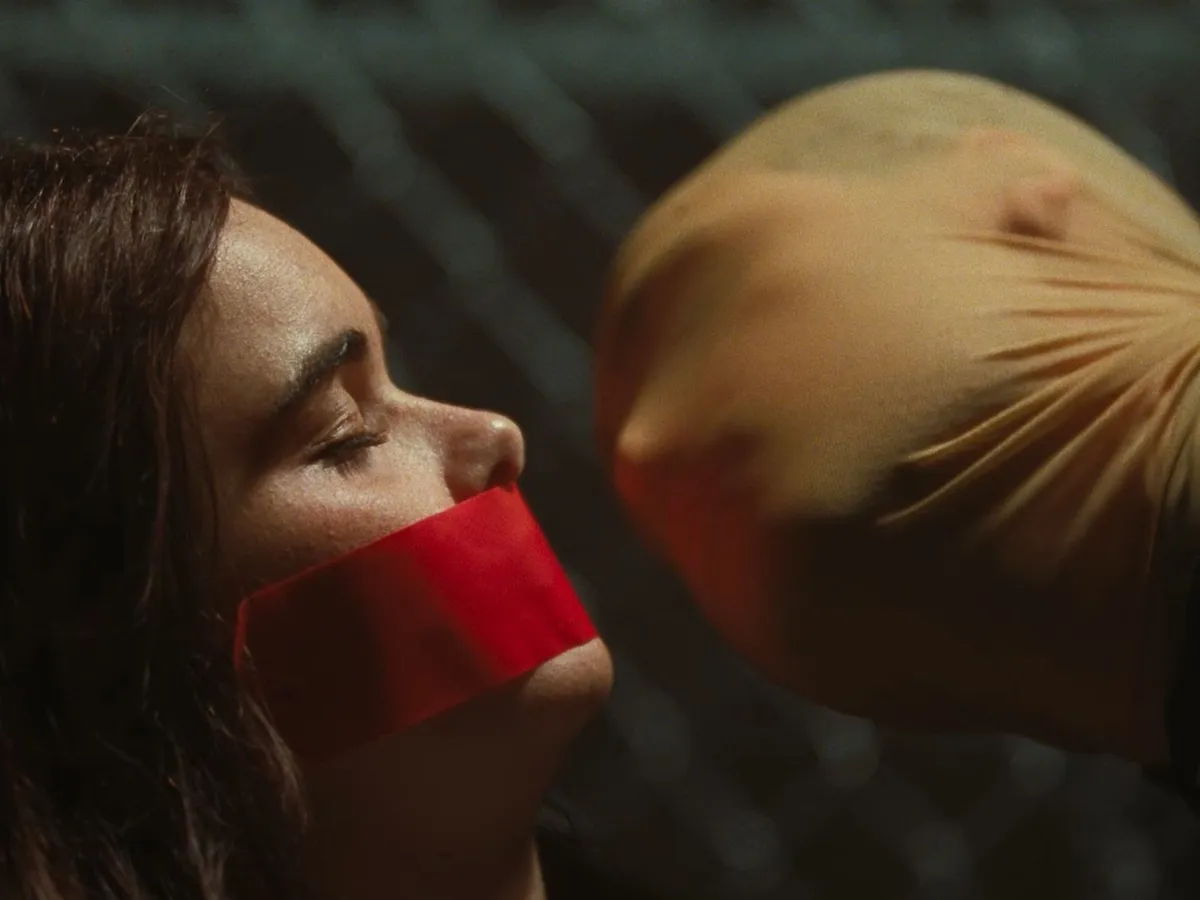
The film centers on a black-pilled killer who frames his violence as a kind of service - a content creator giving the audience exactly what they're secretly craving. It's a provocative premise, and the kind that sticks with you long after the credits roll. Not because the violence is shocking (though by accounts it is realistic enough to be deeply uncomfortable), but because the underlying logic is disturbingly plausible.
We live in an era where algorithmic platforms reward engagement above all else, where outrage and shock reliably outperform nuance, and where the line between genuine horror and entertainment has been blurring for years. The killer's worldview - that audiences are hungry for real darkness and just pretending otherwise - feels less like fictional villainy and more like a slightly exaggerated version of debates we're already having.
Why this matters beyond the horror genre
This isn't just a conversation for horror fans. The questions the film raises touch on something most of us who spend time online grapple with. How much have we been desensitized? What does it mean that real violence circulates freely on social media while platforms struggle to moderate it? And are we passive consumers of that ecosystem, or active participants in shaping it?
The original Faces of Death from 1978 was controversial precisely because it blurred the line between documentary and fiction, making viewers complicit in their own voyeurism. The remake updates that discomfort for the attention economy age - where views equal validation and every click is a small vote for more of the same.
The most disturbing thing isn't on screen
As Wired notes, the realistic depiction of violence in the film is confronting. But the truly unsettling part is the film's central thesis: that the killer isn't a fringe aberration but a logical endpoint of systems and appetites we've all helped build. It doesn't let the audience off the hook, and that's exactly what makes it worth talking about.
Whether or not you seek out the film itself, the conversation it's sparking is one we probably need to be having - about what we consume, why we consume it, and what that consumption quietly signals back to the platforms and creators feeding it to us.