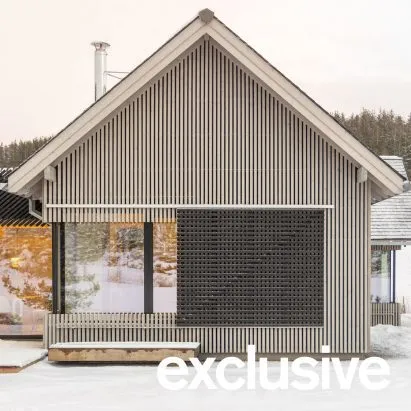
There's a certain poetry to building something new that feels like it always belonged. A project in rural Aberdeenshire, Scotland, is doing exactly that - and it's turning heads in the architecture world for good reason.
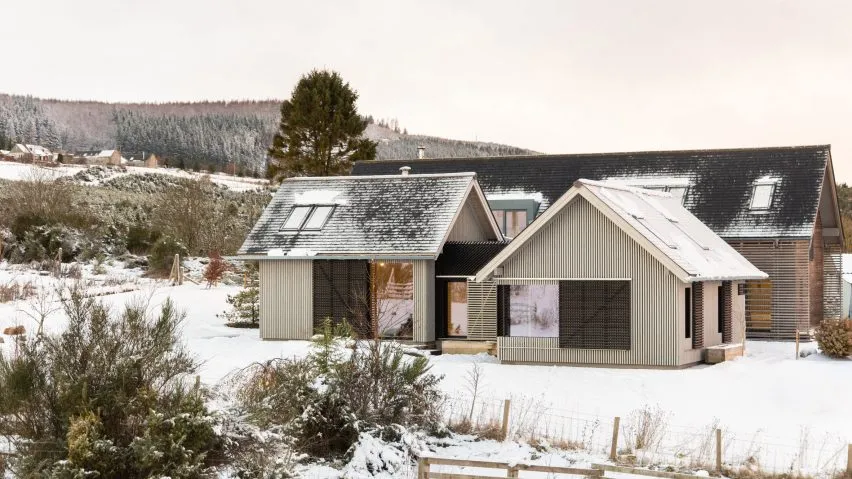
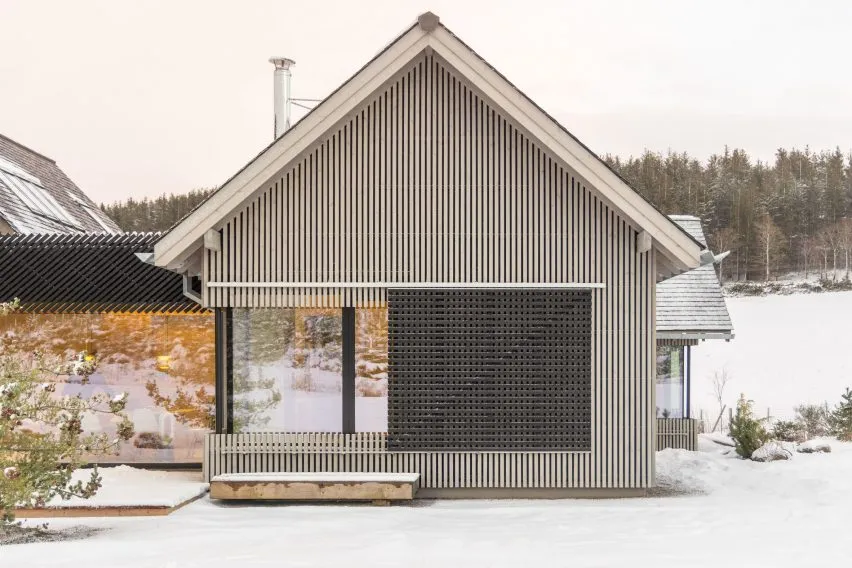
Scottish studio Moxon Architects has extended a private home called Corriebeg, located near the village of Sauchen, by adding two barn-like volumes clad in timber battens. According to Dezeen, the additions draw clear visual references from the agricultural farmsteads that have shaped the Scottish rural landscape for centuries. The result is an extension that feels rooted rather than bolted on.
Why this kind of design thinking matters
Anyone who's spent time in the Scottish countryside knows the beauty of those weathered farm buildings - the honest materials, the simple geometry, the way they sit low and purposeful against big skies. What Moxon has done here is take that vernacular language and translate it into something contemporary and liveable.
The new additions house a living and dining space, a home office, and a bedroom - the kind of programme that reflects how we actually live now, balancing work-from-home realities with the need for proper gathering spaces. It's not just aesthetically considered; it's practically smart too.
Passivhaus standards raise the bar
Perhaps the most impressive part of this project is what's happening beneath the surface. The renovation didn't just add space - it brought the existing home up to Passivhaus standards, one of the most rigorous energy efficiency benchmarks in modern construction.
Passivhaus buildings are designed to maintain a stable, comfortable interior temperature using minimal energy, relying on high-quality insulation, airtight construction, and careful management of heat and ventilation. In a country like Scotland, where winters are long and heating costs bite hard, this is less of a luxury feature and more of a genuinely responsible choice.
Timber battens as both style and substance
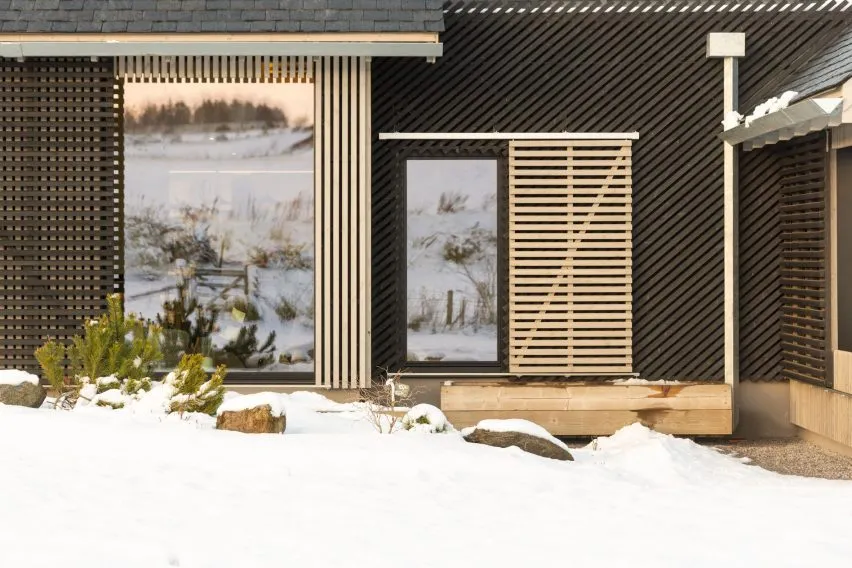
The timber batten cladding that wraps the new volumes does a lot of heavy lifting here. Visually, it creates warmth and texture against the landscape. Practically, timber is a renewable material with strong sustainability credentials - and it weathers beautifully in the Scottish climate, developing character over time rather than looking tired.
This isn't design for the sake of a photoshoot. It's architecture that thinks about longevity, about how a building will age and how the people inside it will actually feel. That combination - beauty, efficiency, and a genuine connection to place - is increasingly the benchmark for excellent residential architecture.
Projects like Corriebeg are a reminder that good design doesn't have to shout. Sometimes the most considered work is the kind that quietly fits in, while doing everything right.