Back in 1964, science fiction legend Arthur C. Clarke told the BBC that the computers of his era were "complete morons" - but that the next generation of machines would start to think, and eventually surpass us. Sixty-some years later, we're living inside that prediction, and a lot of people are absolutely terrified about it.
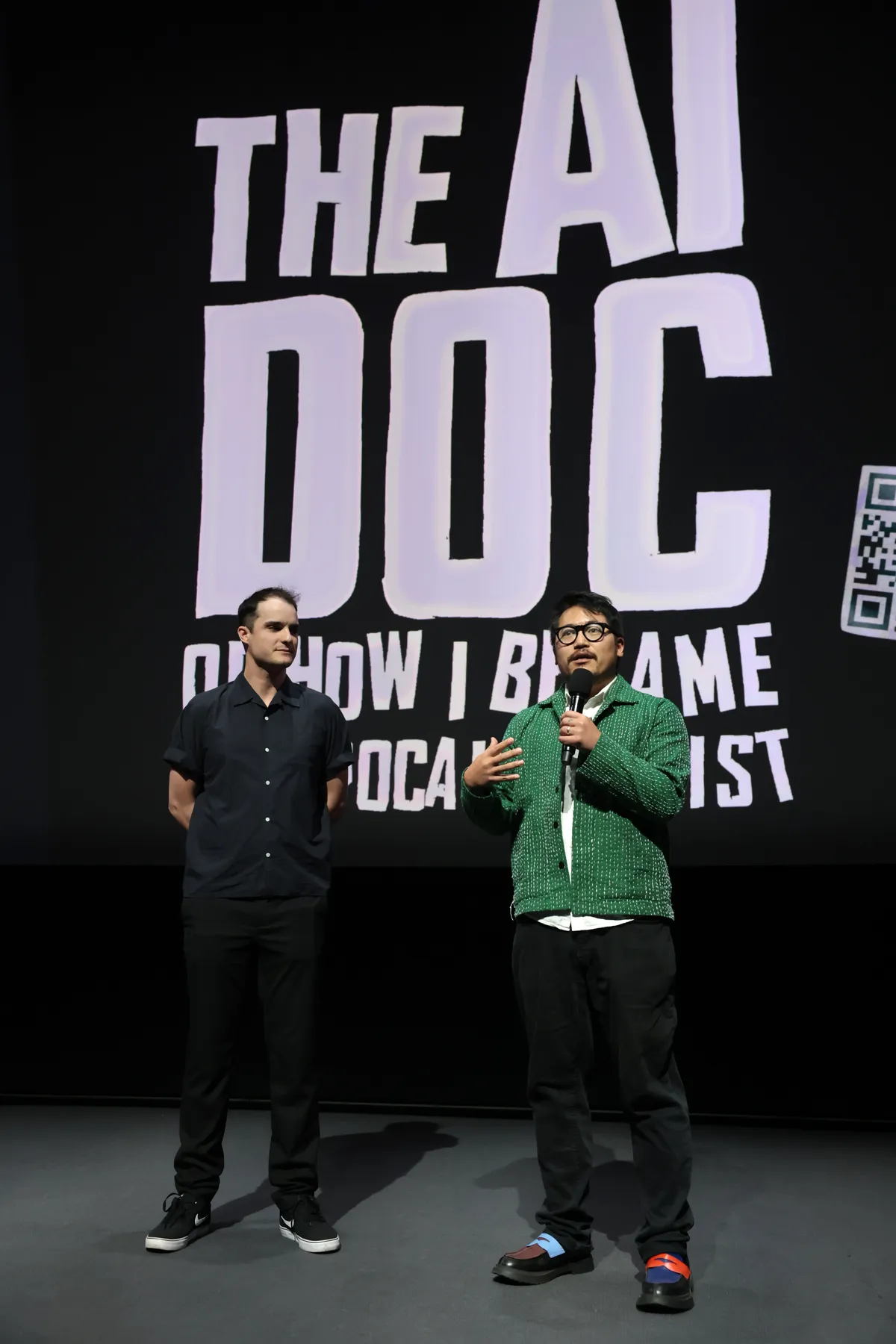
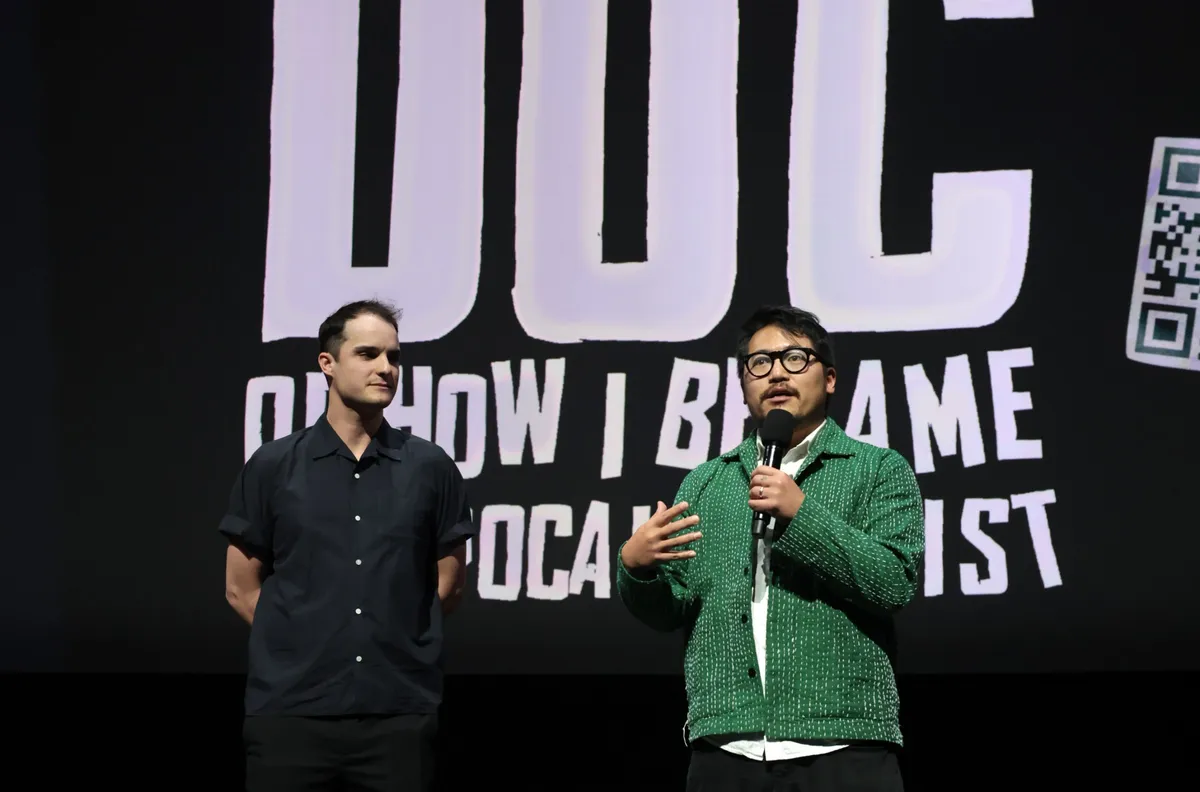
Enter a new documentary that's trying to reframe the conversation. The AI Doc: or How I Became An Apocaloptimist, from director Charlie Tyrell and producer Daniel Kwan, premiered in Los Angeles in late March and is already generating buzz for its surprisingly grounded take on one of the most anxiety-inducing topics of our time. According to coverage from Vox, the film leans into a term that's equal parts clever and genuinely useful: "apocaloptimist" - someone who takes the risks seriously without surrendering to doom.
Why the framing matters
Here's the thing about AI discourse right now: it tends to exist at two exhausting extremes. On one side, you have the techno-utopians promising that AI will cure cancer and usher in a golden age of human flourishing. On the other, you have the doomsayers convinced we're months away from a robot apocalypse. Neither camp makes for particularly useful thinking.
What a film like this seems to offer is something rarer - nuance. The idea that yes, transformative technology carries genuine risks, and yes, we can still choose to engage with it thoughtfully rather than curl into a ball of existential dread. That's a harder position to hold, but it's probably the more honest one.
The cultural moment is right
It's worth noting how perfectly timed this kind of documentary is. AI anxiety has moved from tech circles into everyday life at a startling pace. People worry about their jobs, their kids' futures, the authenticity of the content they consume, and the concentration of power in the hands of a few Silicon Valley giants. These are legitimate concerns that deserve serious attention - not dismissal, but not panic either.
The fact that Daniel Kwan - one half of the directing duo behind Everything Everywhere All at Once - is attached as a producer signals that this isn't dry, wonky fare. It's designed to reach people who are curious and concerned, not just those already deep in the AI debate weeds.
Whether you're someone who finds AI genuinely exciting or someone who has quietly started dreading what comes next, a film inviting you to hold both realities at once feels like exactly the kind of cultural artifact this moment calls for. Sometimes the most radical thing you can do is refuse to pick a side between hope and fear.