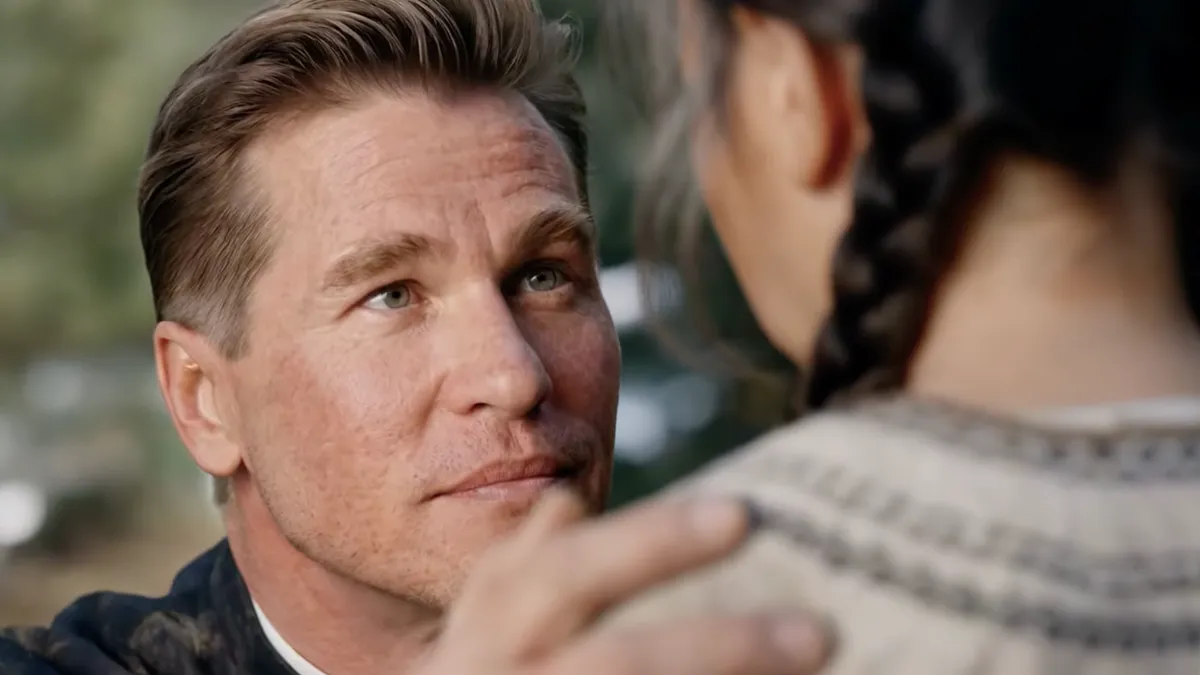
There are moments when a piece of tech news stops feeling like a trend story and starts feeling like something much more unsettling. The release of the first trailer for As Deep as the Grave - a film that uses an AI-generated deepfake of Val Kilmer - is one of those moments.
According to Mashable, the trailer dropped online and the internet's reaction was swift and overwhelmingly negative. And honestly? It's not hard to see why.
Why this one stings differently
Val Kilmer, the beloved actor known for iconic roles in Top Gun, The Doors, and Tombstone, passed away in April 2025 after a long battle with throat cancer - a disease that had already significantly affected his voice and his ability to work in his later years. He spent his final years being remarkably open about that struggle, even participating in a documentary about his life.
So to see his likeness recreated digitally, without any clear indication of meaningful consent from his estate, feels like a violation to many viewers. It's one thing to use AI tools to assist a living performer who can actively participate in decisions about their image. It's quite another to reconstruct someone who can no longer speak for themselves.
The bigger picture here
This isn't just about one film or one actor. The As Deep as the Grave controversy is landing at a moment when Hollywood, legislators, and audiences are all grappling with the same fundamental question: who owns a person's likeness, and for how long?
Actors' unions have been pushing hard for protections around digital likeness rights, and cases like this one illustrate exactly why those protections matter. When technology makes it cheap and easy to reconstruct someone's face and voice, the temptation to do so - especially for a recognisable name that could sell tickets - becomes a real commercial pressure.
The outrage online isn't just pearl-clutching. It reflects a genuine, widely shared discomfort with the idea that death no longer necessarily means the end of someone's performing career - at least not if there's a profit motive involved.
Where does this leave us?
There are legitimate, thoughtful uses of AI in filmmaking. Restoring archival footage, helping a living performer maintain consistency across a long shoot, or even honouring a legacy with clear family involvement and consent - these are conversations worth having.
But dropping a deepfake trailer featuring a recently deceased actor and watching the views roll in? That's a different thing entirely. The backlash to As Deep as the Grave suggests most people know the difference - even if the industry hasn't quite caught up yet.