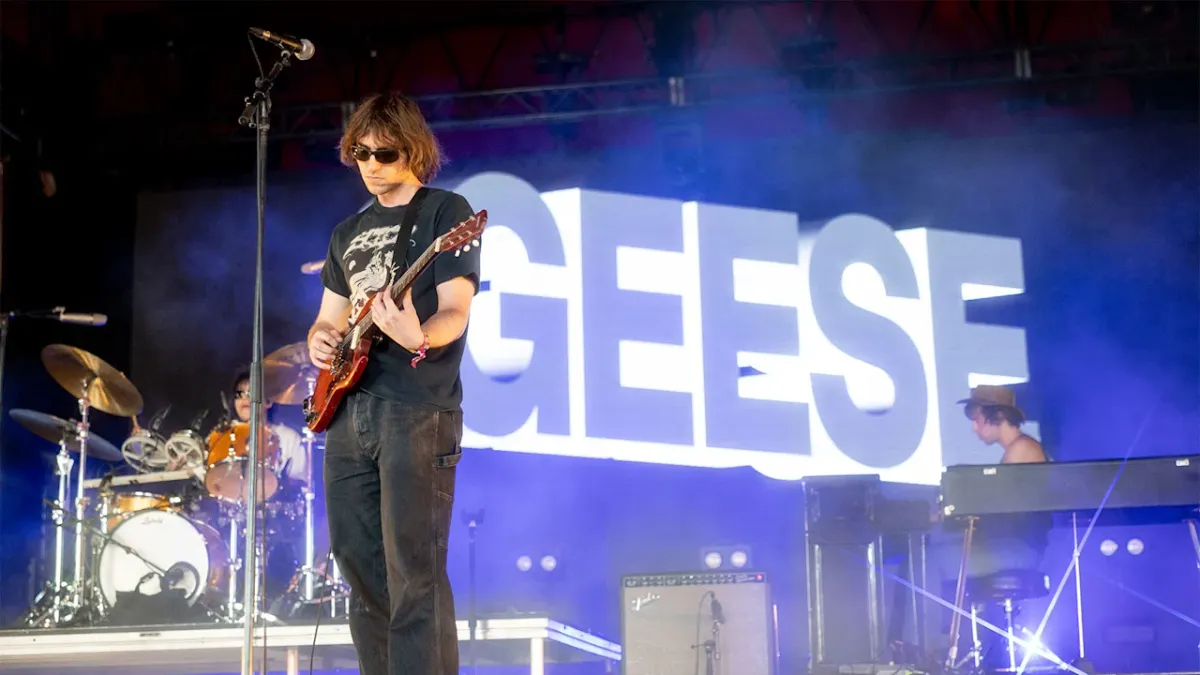
By now, you've probably heard of Geese. The Brooklyn-based Gen Z rock band has been impossible to miss lately - Coachella appearances, a sold-out tour, and breathless comparisons to the Strokes flooding your feeds. Some have already crowned them "America's Most Thrilling Young Rock Band." Frontman Cameron Winter is being held up as the next Julian Casablancas. It's a lot, very fast.
And that speed is exactly what's making people suspicious.
When enthusiasm starts to feel engineered
As Fast Company reports, a growing number of music fans are questioning whether Geese's rise is entirely organic - or whether something more calculated is at play. The word being thrown around online? "Psyop." It's a provocative label, and probably an overblown one, but the underlying anxiety it reflects is real and worth taking seriously.
We live in an era where algorithmic playlists, coordinated press campaigns, and social media saturation can make almost anything feel inevitable. When a band goes from relative obscurity to Coachella in what feels like a blink, it's natural to wonder who's behind the curtain - and whether the hype was built for you, or just built around you.
The frustration runs deeper than one viral debate
What makes this conversation more than just internet noise is the frustration it's surfacing among artists themselves. According to the Fast Company piece, musicians are increasingly vocal about the growing barrier to entry in an industry where visibility feels less like a meritocracy and more like a pay-to-play system. If breaking through requires the right label backing, the right PR machine, and the right algorithmic nudges, then the myth of the scrappy band discovered on their own terms starts to feel pretty hollow.
That's the real sting here - not whether Geese specifically did anything wrong, but what their story might represent about how music discovery actually works now.
Does it change how you feel about the music?
Here's the honest question worth sitting with: if a band you love turned out to have significant industry machinery behind their rise, does that change anything? For some people, absolutely. For others, a great song is a great song, full stop.
But the Geese debate suggests that a lot of listeners are craving something that feels genuinely unmediated - a discovery that belongs to them, not one that was engineered to feel that way. Whether organic music discovery is truly dead or just harder to find is an open question. What's clear is that people are grieving it either way.