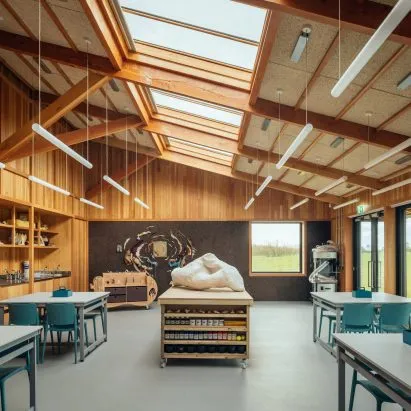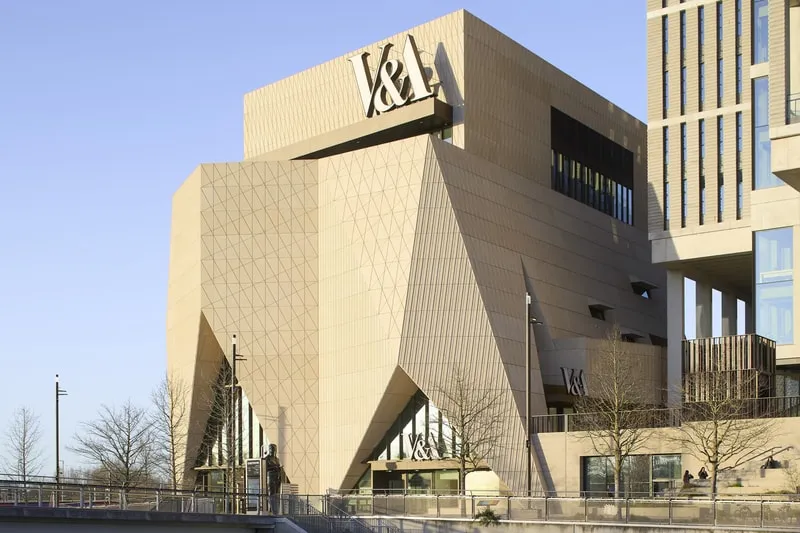
Over a decade in the making, V&A East is finally close to opening its doors - and the anticipation feels entirely justified. The new museum is set to become a cornerstone of Stratford's rapidly evolving cultural identity, continuing the transformation of East London that began with the 2012 Olympics.
A neighbourhood finding its moment
Stratford has changed more dramatically than almost any other part of London over the past 20 years. The Olympics put it on the map, but what's happening now feels different - more lasting, more community-rooted. V&A East is part of a broader vision to build a genuine cultural quarter for the city's eastern boroughs, not just a flashy landmark that feels disconnected from the people who actually live nearby.
That distinction matters. There's a long history of big cultural institutions landing in working-class areas and feeling like they were built for someone else. V&A East seems genuinely aware of that tension.
Architecture that earns its place
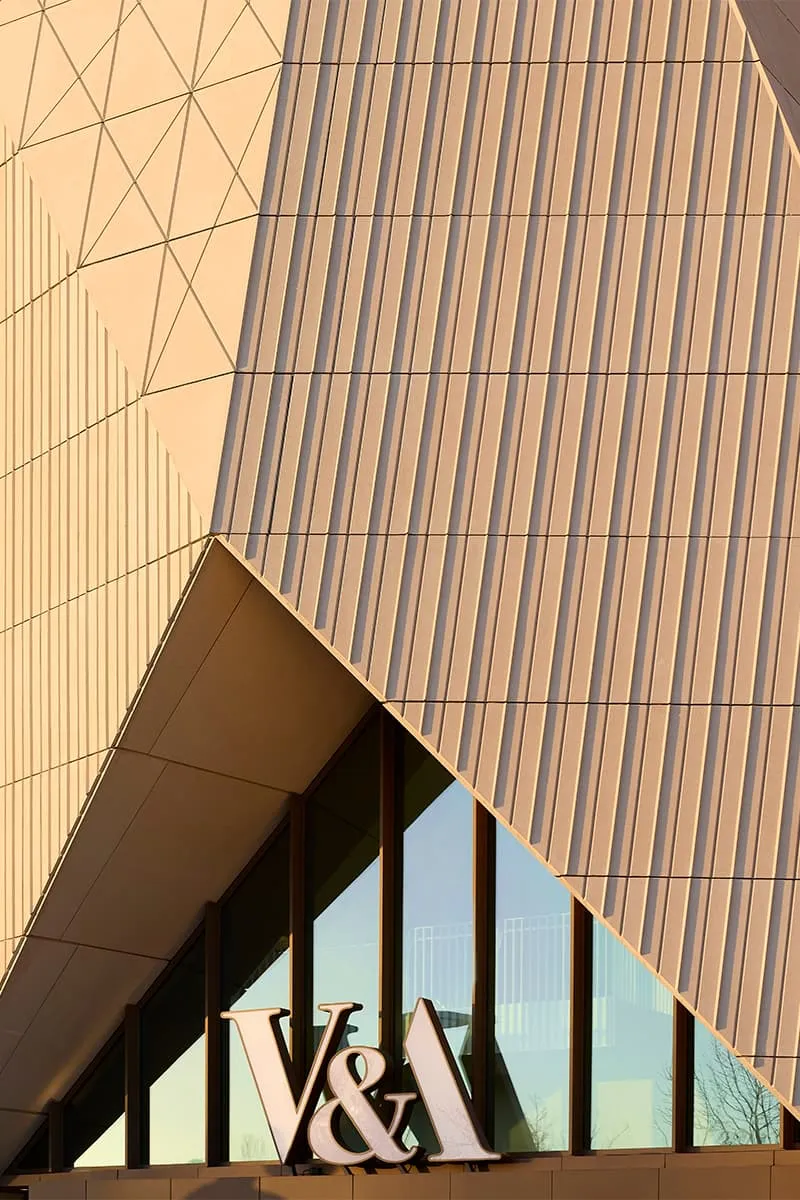
The building itself, designed by architects O'Donnell + Tuomey, takes its cues from the neighbourhood's history. The facade is a deliberate nod to Stratford's past, a design choice that signals something important - this isn't a building trying to erase or ignore where it's standing. It's trying to belong.
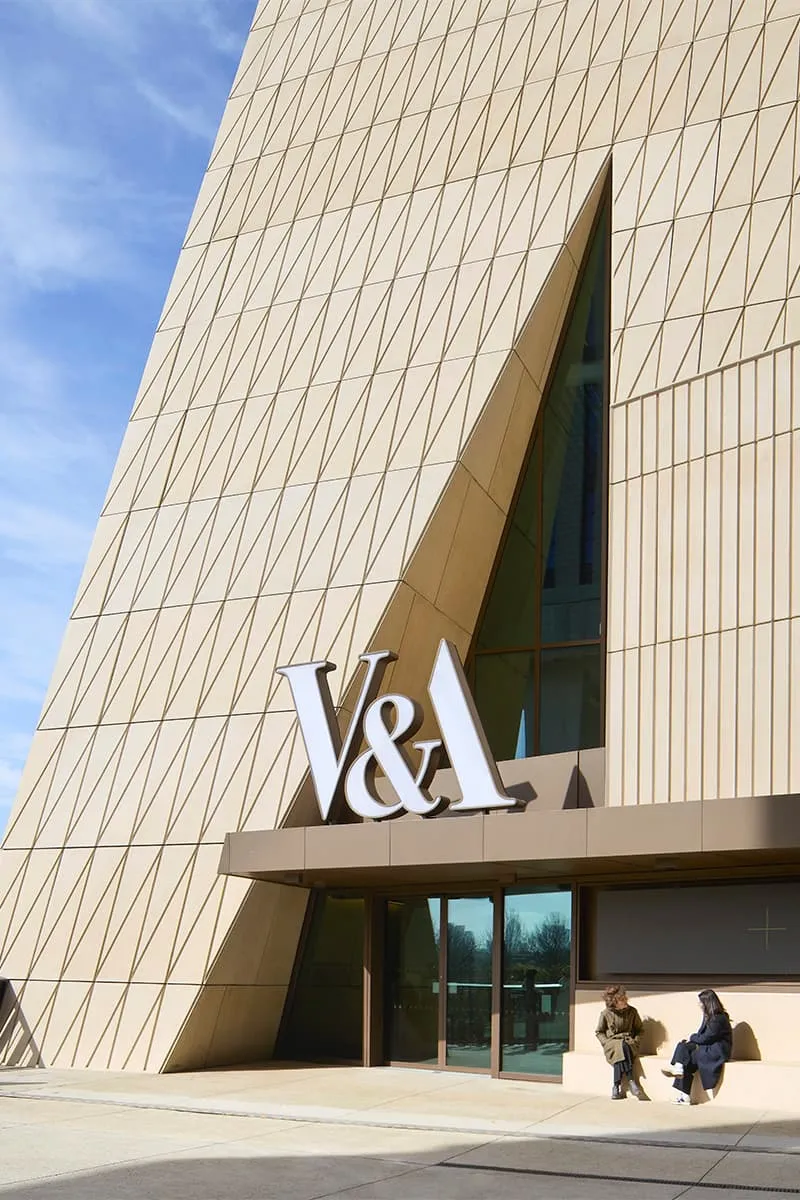
That kind of contextual thinking in architecture is increasingly rare, and when it's done well, it makes a real difference to how a space feels. Buildings that acknowledge their surroundings tend to invite people in rather than intimidate them.
Why this one feels different
The V&A has long been one of London's most beloved institutions, but it's also historically felt like a South Kensington fixture - grand, a little formal, firmly rooted in one corner of the city. V&A East changes that equation. According to reporting by Hypebeast, the whole project has been shaped around the idea of the museum belonging to its community, not just sitting in it.
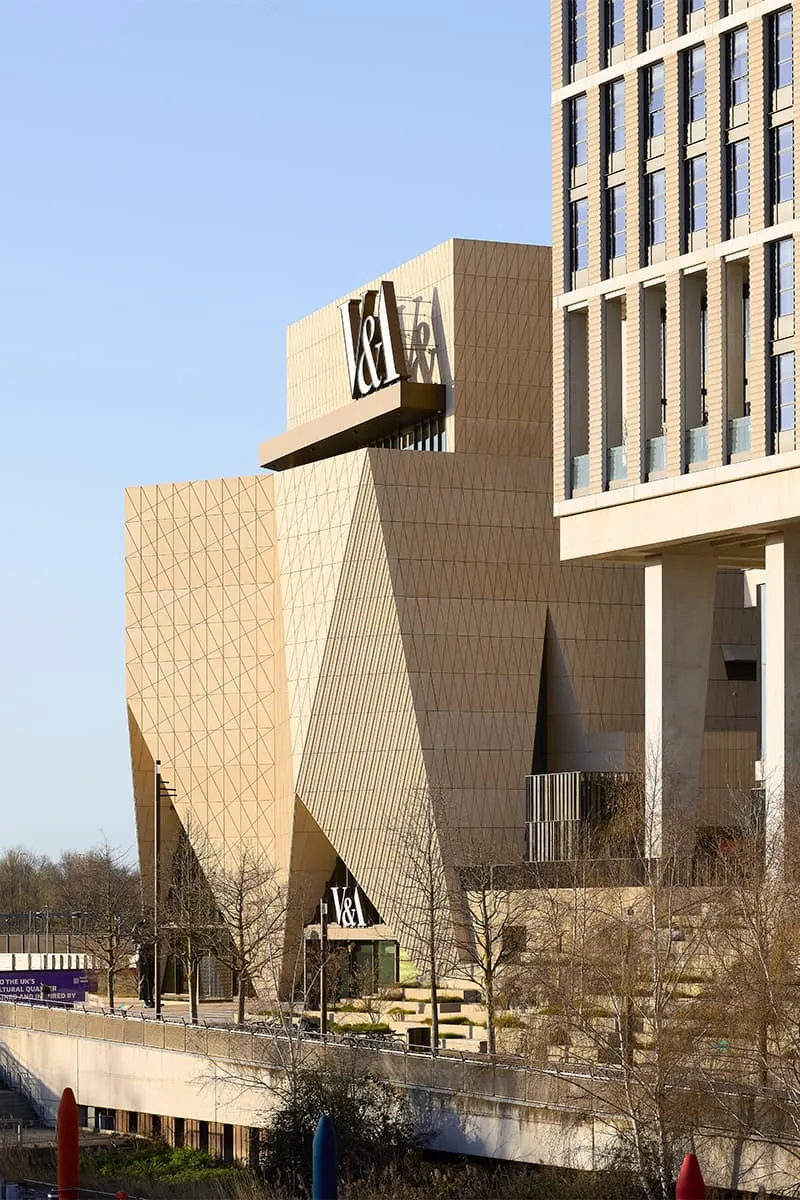
For anyone who's ever felt like major cultural institutions weren't really made with them in mind, that's a genuinely exciting promise. Whether the finished experience lives up to it, we'll find out very soon - but the building alone looks like a serious statement of intent.
East London has always had energy and creativity in abundance. Now it's getting the cultural infrastructure to match.