
When we think of activism inside tech companies, we usually picture engineers signing open letters or executives making carefully worded statements. But a different kind of organizing is happening in Seattle - and it's coming from the people making the sandwiches.
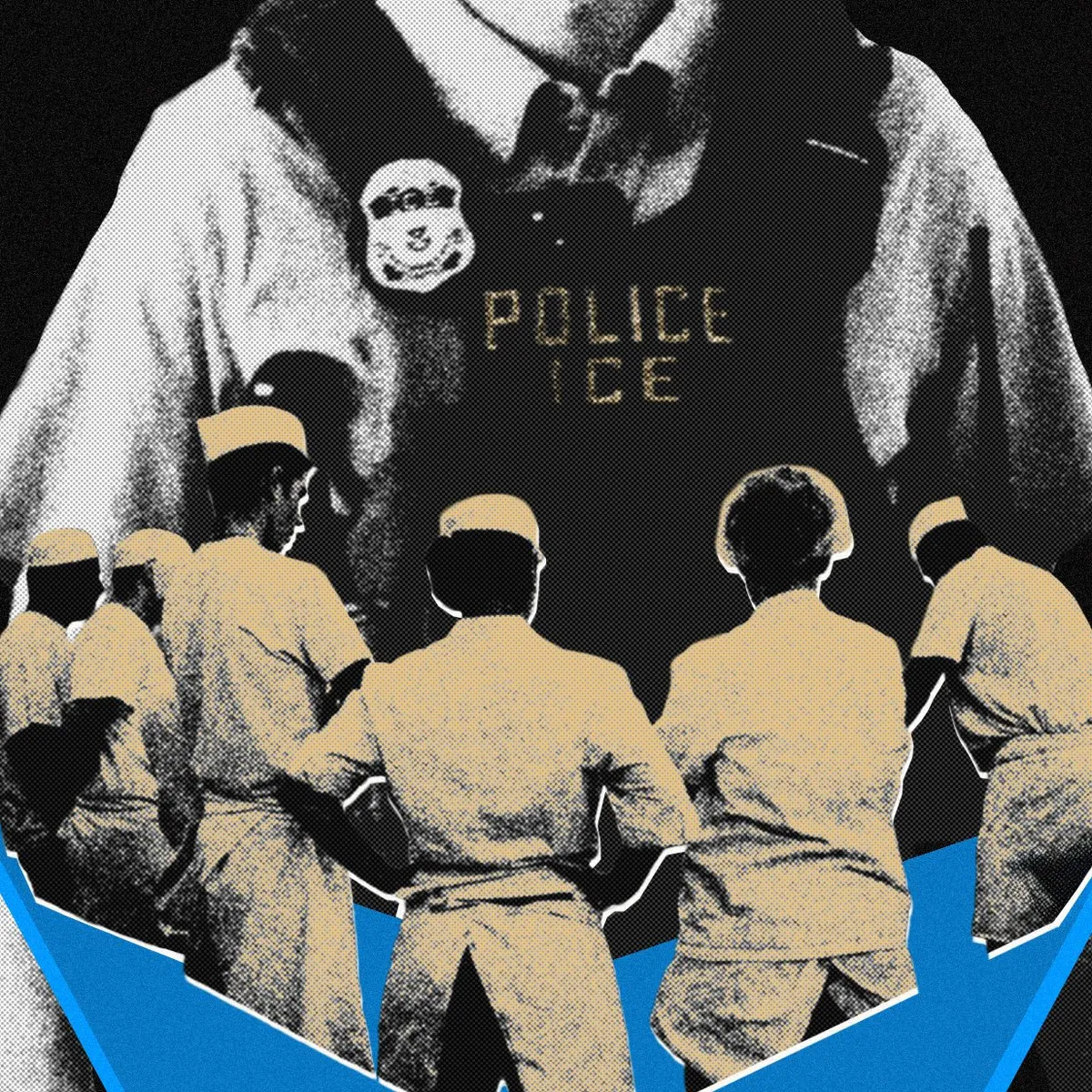
According to a report from Wired, cafeteria workers at Meta's Seattle offices have been building a grassroots support network to protect colleagues facing immigration enforcement threats. Rather than waiting for corporate leadership to respond to petitions or protests - which, by most accounts, drew little meaningful reaction - workers leaned into something more immediate: peer support and community fundraising.
Why this story matters
It's easy to feel powerless in the current immigration climate, especially when you're a contract worker inside a corporation that has its own complex relationship with political neutrality. But what's happened in Seattle is a reminder that collective action doesn't have to come from the top down to be effective.
The workers didn't have the leverage of highly paid engineers. They didn't have public profiles or Twitter followings that would make executives nervous. What they had was each other - and apparently, that was enough.

Grassroots over grandstanding
The shift away from petitions and protests toward direct mutual aid is worth paying attention to. It reflects a broader pattern emerging in activist communities: when institutional channels fail, people build their own. Fundraising among colleagues, sharing legal resources, showing up for one another in practical ways - these aren't flashy tactics, but Wired's reporting suggests they're working.
There's something genuinely moving about the image of food service workers - often among the most economically precarious people in any large workplace - pooling resources to protect their own. It cuts against the idea that solidarity is a luxury only available to the comfortable.

The bigger picture in tech
Seattle's tech campuses have become an unexpected flashpoint for labor and immigration activism. As federal immigration enforcement has intensified, workers across industries are having to figure out what protection actually looks like in practice. For the Meta cafeteria workers, it turns out it looked less like a strongly worded memo and more like a community fund and a phone tree.
Whether this model spreads - to other campuses, other cities, other industries - remains to be seen. But it's already done something important: it's proven that you don't need a seat in the boardroom to make a real difference for the people around you.