

Fusion energy has been one of the most exciting - and generously funded - promises in the clean tech space for the past several years. The idea of replicating the power of the sun here on Earth, producing virtually limitless clean energy, has attracted billions in venture capital and captured the public imagination like few scientific pursuits can. But as TechCrunch reports, some uncomfortable cracks are starting to appear in the foundation of that investment boom.
When the money meets the messy reality
The core tension isn't really about the science - it's about the business. Fusion startups and their investors are running into a set of disagreements that, if left unresolved, could fracture the sector's momentum at a critical moment. The details of those disputes matter less than the broader pattern they represent: a maturing industry where early enthusiasm is bumping up against hard questions about timelines, returns, and who controls what.
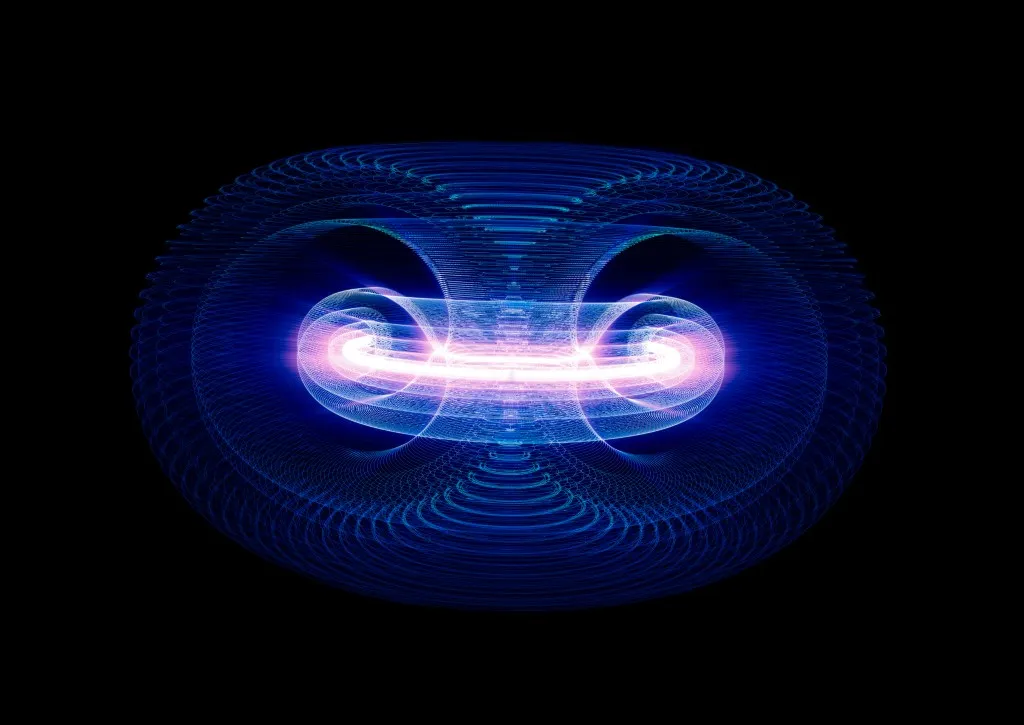
This is a familiar arc for deep tech sectors. Quantum computing went through it. Advanced nuclear fission went through it. A period of euphoric funding gives way to a more sober reckoning when the gap between where the technology is and where investors expected it to be becomes impossible to ignore.
Why this moment matters
Fusion has always operated on long timelines - the old joke is that commercial fusion power is always 30 years away. But a new generation of startups genuinely convinced investors that this time was different, that private capital and modern engineering could compress those timelines dramatically. Some of that optimism may still be warranted. The science has genuinely advanced.

What's at stake now is whether the money stays in the game long enough to find out. Fractured relationships between startups and their backers, or unresolved disputes about direction and ownership, can kill promising companies before the technology gets a fair shot. In a sector where the payoff, if it comes, would be transformative for the entire planet, that would be a significant loss.
What to watch for
The fusion space is still relatively small and tight-knit, which means tensions between a few key players can ripple outward fast. How the industry's stakeholders - founders, investors, and increasingly government funders - navigate these early disagreements will say a lot about fusion's chances of becoming a real energy source rather than a perpetual science project.
The boom isn't over. But the easy, no-hard-questions phase almost certainly is.