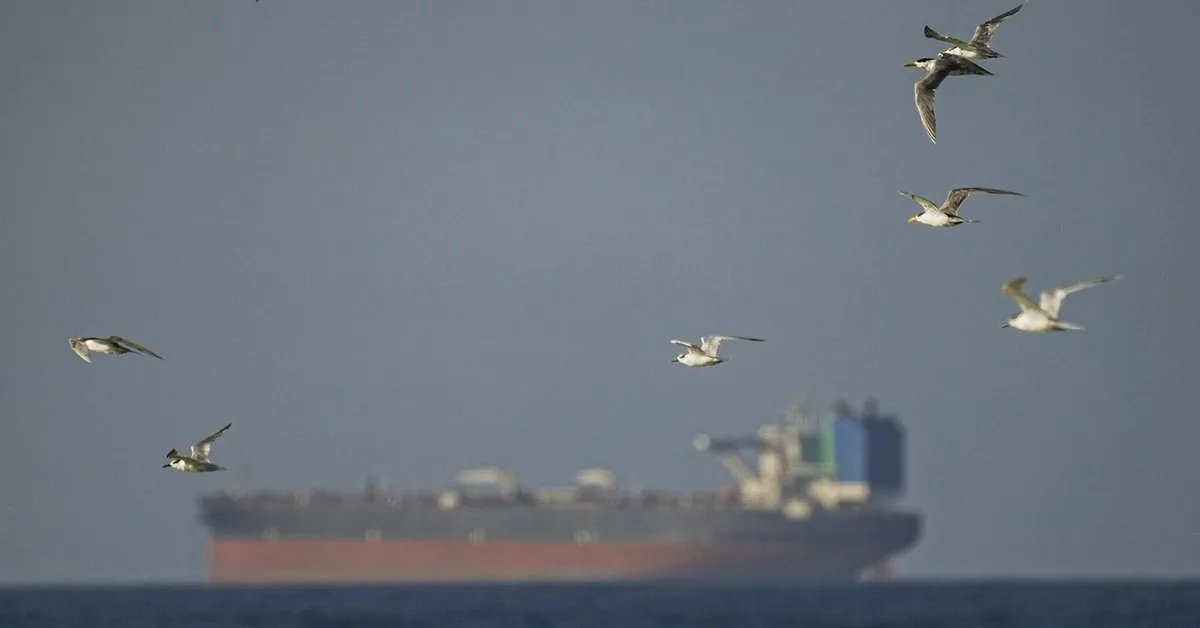
If you've ever tracked a flight online and watched a plane mysteriously disappear mid-route, you'll have a rough sense of what's been happening in the Strait of Hormuz - except the stakes are dramatically higher. A surge in so-called GPS spoofing events is causing oil tankers to effectively go dark or appear in completely false locations, and it's rattling everyone from marine insurers to global oil traders.
What's actually happening out there?
Spoofing works by flooding a ship's navigation systems with fake GPS signals, causing the vessel to broadcast incorrect location data. To outside observers - and sometimes to the crew themselves - the ship appears to be somewhere it isn't. In a waterway that handles a significant chunk of the world's oil supply, that's a serious problem.
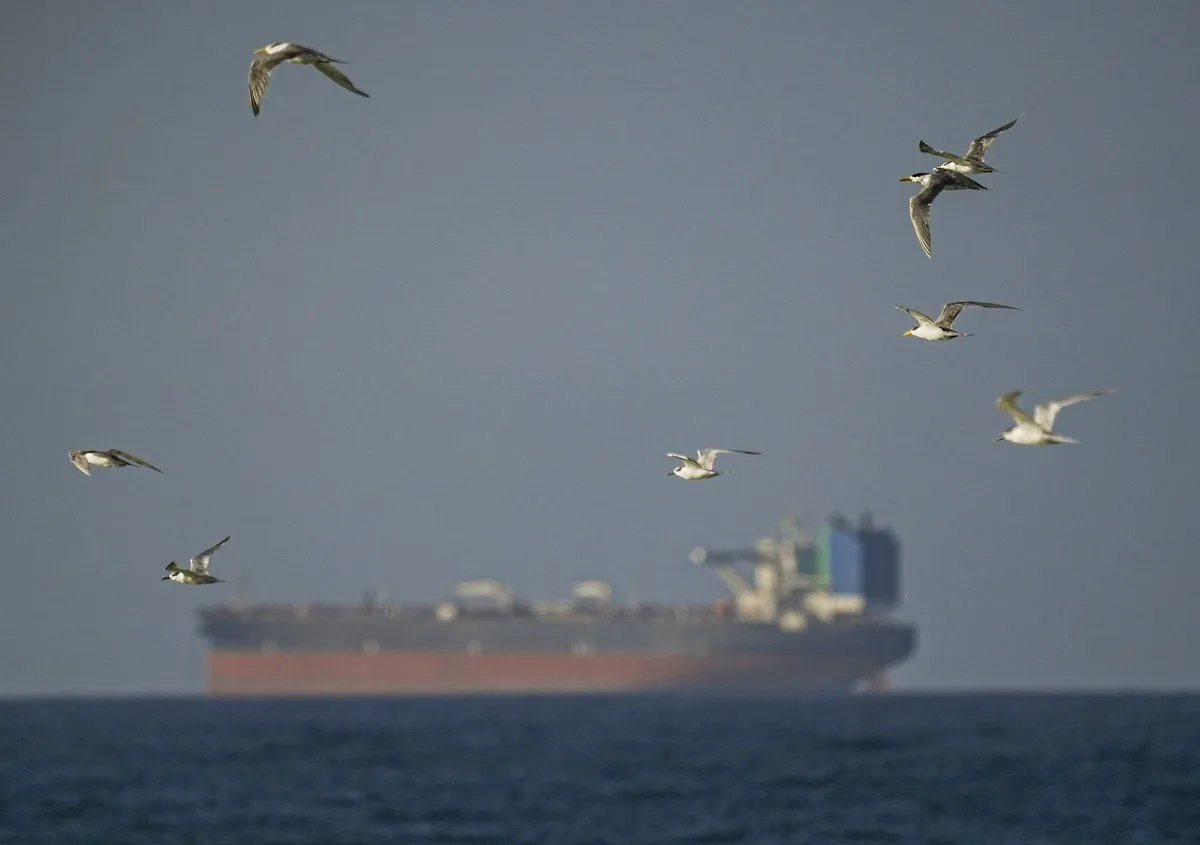
According to reporting by Wired, the volume of these incidents in the region has been growing, prompting analysts to get increasingly creative in how they track what's really going on. When the official data can't be trusted, you have to find other ways to piece together the picture.
Why it matters beyond the headlines
This isn't just a technical curiosity for maritime geeks. The Strait of Hormuz is essentially a chokepoint for global energy supply - roughly 20% of the world's oil passes through it. When ships start disappearing from tracking systems, the ripple effects are real. Insurers need accurate location data to assess risk. Traders rely on vessel movement to anticipate supply. Disruption to either creates uncertainty that can move markets.

The people doing this detective work are pulling from multiple data sources - satellite imagery, radio frequency signals, vessel behavior patterns - to cross-reference what ships are actually doing versus what their transponders are reporting. It's painstaking work, but it's become essential.
A window into a bigger trend
The Hormuz situation is also part of a broader and worrying pattern. GPS spoofing has been documented near conflict zones and politically sensitive areas around the world in recent years. The technology to do it isn't exotic, and the incentives - whether to conceal sanctions violations, obscure military movements, or simply create confusion - are varied and complex.

What makes the current moment interesting is how it's accelerating innovation on the analyst side. The cat-and-mouse dynamic between those obscuring ship movements and those trying to reconstruct them is pushing the field of maritime intelligence forward in real time.
For the rest of us, it's a reminder that even in an era of total connectivity, critical global infrastructure can be surprisingly easy to manipulate - and that figuring out what's real is becoming its own specialized skill.