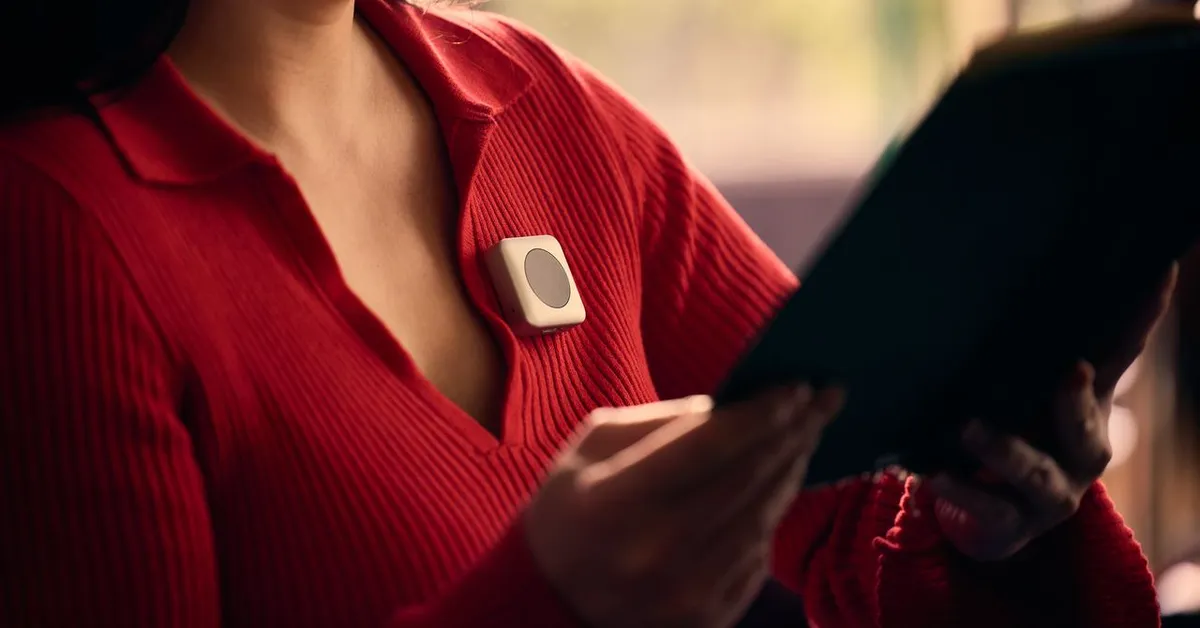
Remember the iPod Shuffle? Small, clip-on, no screen - just a little device that did its one job really well. A new AI wearable from two former Apple Vision Pro engineers is channeling that same energy, and it might be onto something the rest of the AI gadget world has completely missed.
As reported by Wired, the device is built around a simple but genuinely radical idea for the category: it only listens when you tap it. That's it. No always-on microphone quietly hoovering up your conversations, no ambient audio processing running in the background. You decide when it's paying attention.
Why this actually matters
It sounds like a small thing, but in the context of AI wearables, it's actually a pretty significant design philosophy shift. Devices like the Humane AI Pin and the Rabbit R1 arrived with enormous hype and then faded quickly - not just because of clunky software, but because people never quite got comfortable with the idea of wearing something that was perpetually tuned into their lives.
Privacy anxiety is real, and it's been one of the quiet killers of the AI gadget category. The ex-Apple engineers behind this new device seem to have internalized that lesson in a way their predecessors didn't. By making the "listen" trigger something you physically initiate, they're handing control back to the user.

The iPod Shuffle comparison is doing a lot of work here
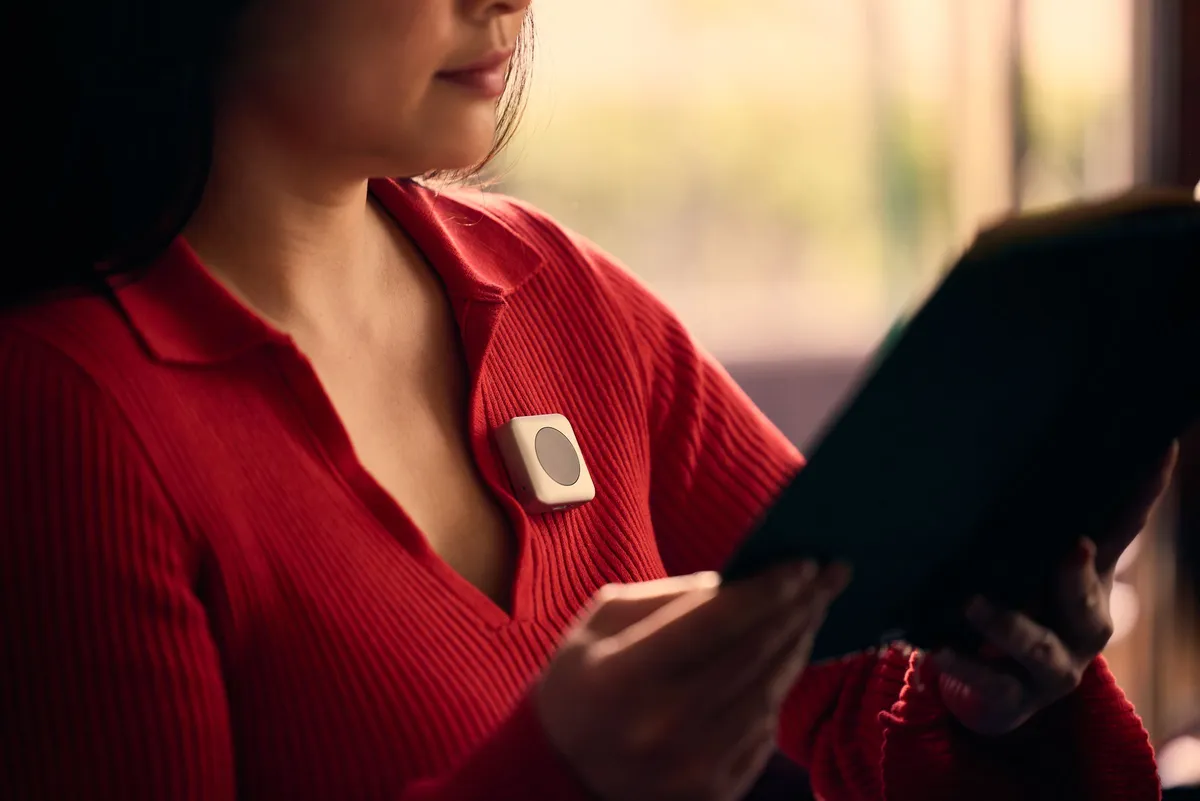
Aesthetically, the device reportedly looks like Apple's beloved little clip-on music player - compact, minimal, and wearable without making you look like you're beta testing a sci-fi film prop. That's not a small thing either. The best consumer tech tends to disappear into your life rather than demanding attention from everyone around you.
There's something quietly clever about two people who worked on Apple Vision Pro - one of the most ambitious and attention-grabbing pieces of consumer hardware in recent memory - pivoting to build something this understated.

Can privacy actually be a selling point?
The broader AI wearable market has been trying to sell people on convenience and capability. This device is trying to sell something different: trust. Whether that's enough to build a real business around remains to be seen, but as a product philosophy, it feels more in tune with where consumer sentiment actually is right now.
People are increasingly aware of how much their devices are listening, tracking, and processing. A wearable that builds its entire identity around not doing those things by default could find a genuinely receptive audience - especially among the kind of tech-curious but privacy-conscious users who liked the idea of an AI assistant but never quite warmed up to the execution.
Watch this space. The AI gadget graveyard is crowded, but this one has a different pitch.