We've all tried the digital approach to fixing our phone addiction: screen time limits, app timers, grayscale mode, notification settings. And yet, somehow, we still end up scrolling at midnight wondering where the last two hours went. The problem with using your phone to fix your phone habit is that the phone always wins.
That's the insight behind a surprisingly old-school solution that's been gaining traction among people who are serious about reclaiming their attention. As reported by Lifehacker, a physical barrier - something that literally puts distance or friction between you and your device - can be the missing piece that digital tools never quite manage to provide.
Why friction is actually the point
There's solid behavioral science behind this. When something requires effort, we do it less. Digital limits are easy to override because the override button is right there, one tap away, and your tired or bored brain is very good at justifying "just five more minutes." A physical barrier changes the calculus entirely.
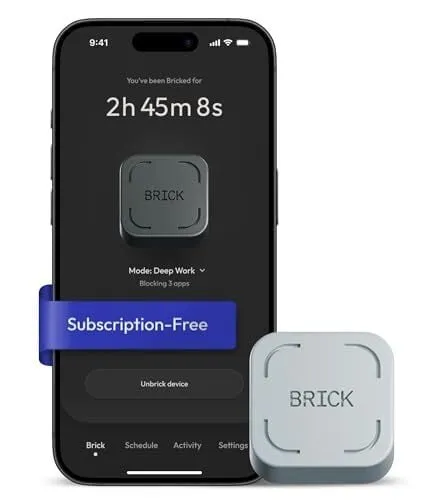
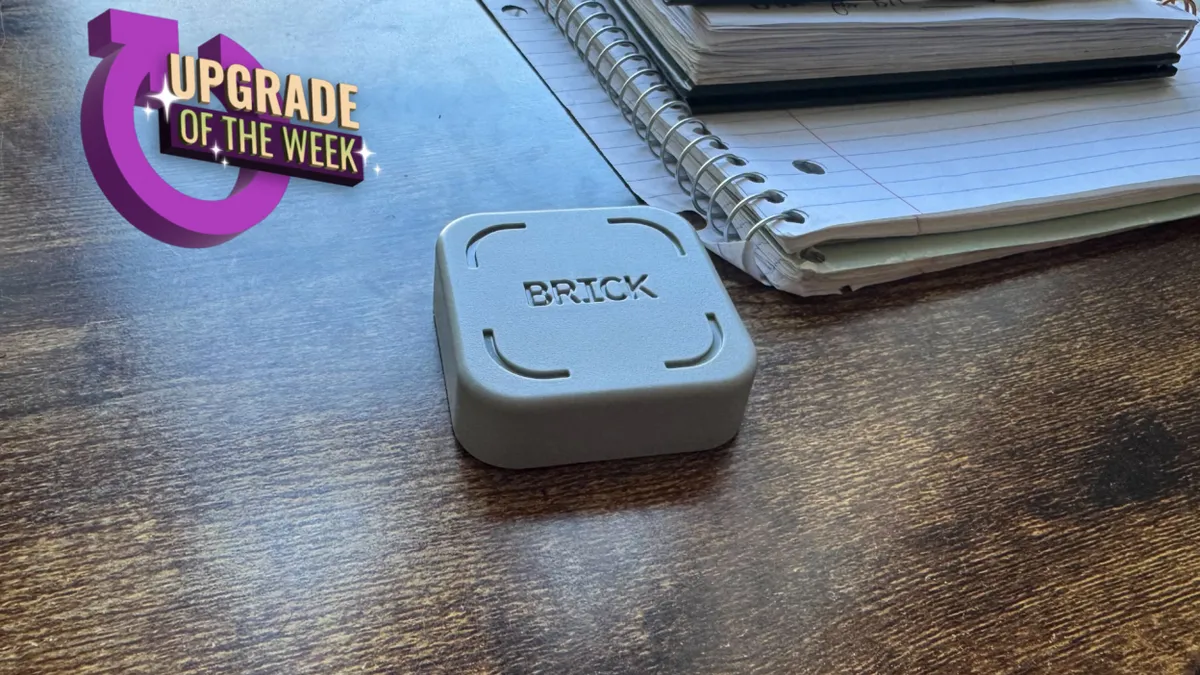
The product highlighted in the piece is Brick - a small physical device that, when tapped with your phone, blocks distracting apps for a set period. No passcodes to crack, no settings to fiddle with. You've physically committed to a break, and undoing it requires actual effort. That gap between impulse and action is where better habits get built.
The simplicity is the whole point
It might feel slightly absurd to buy a piece of hardware to stop you from using another piece of hardware. But that reaction is worth sitting with. We've normalized the idea that every problem should have a software solution, and that instinct doesn't always serve us well - especially when the software lives inside the very device causing the problem.
Physical tools work for the same reason that keeping junk food out of the house works better than relying on willpower. You're not testing your self-control in every weak moment; you're redesigning the environment so the temptation is harder to reach.

Is it worth trying?
If you've already burned through every built-in screen time feature your phone offers and found yourself tapping "ignore limit" more often than not, probably yes. The bar for "worth trying" here is pretty low - the concept is simple, the commitment is reversible, and the upside is genuinely getting your evenings or mornings back.
Sometimes the most effective solution isn't the cleverest one. It's just the one that adds enough friction to give you a fighting chance against your own worst habits.