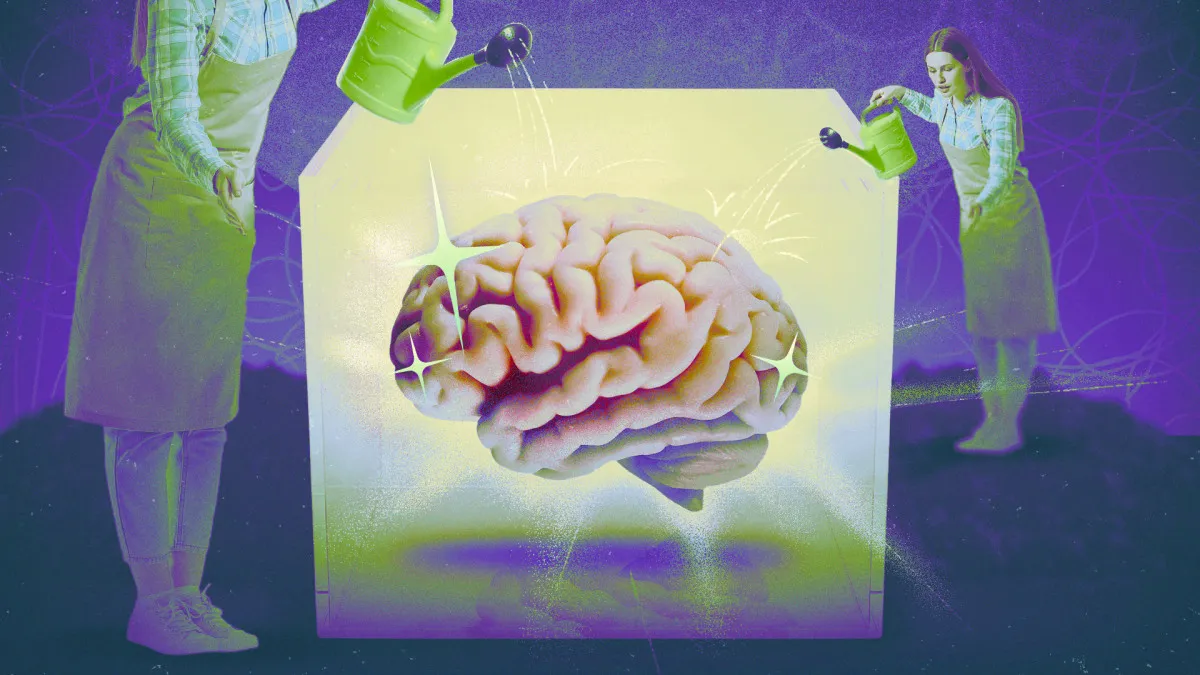
Quick question: what does 'brain health' actually mean? If you said something like 'focus, memory, maybe not getting dementia,' congratulations - you're thinking like a wellness brand. If you said 'an impossibly complex web of neurological, psychological, social, and physiological factors that scientists are still barely scratching the surface of,' congratulations - you're thinking like an actual researcher.
Spoiler: only one of those groups is trying to sell you a gummy bear.
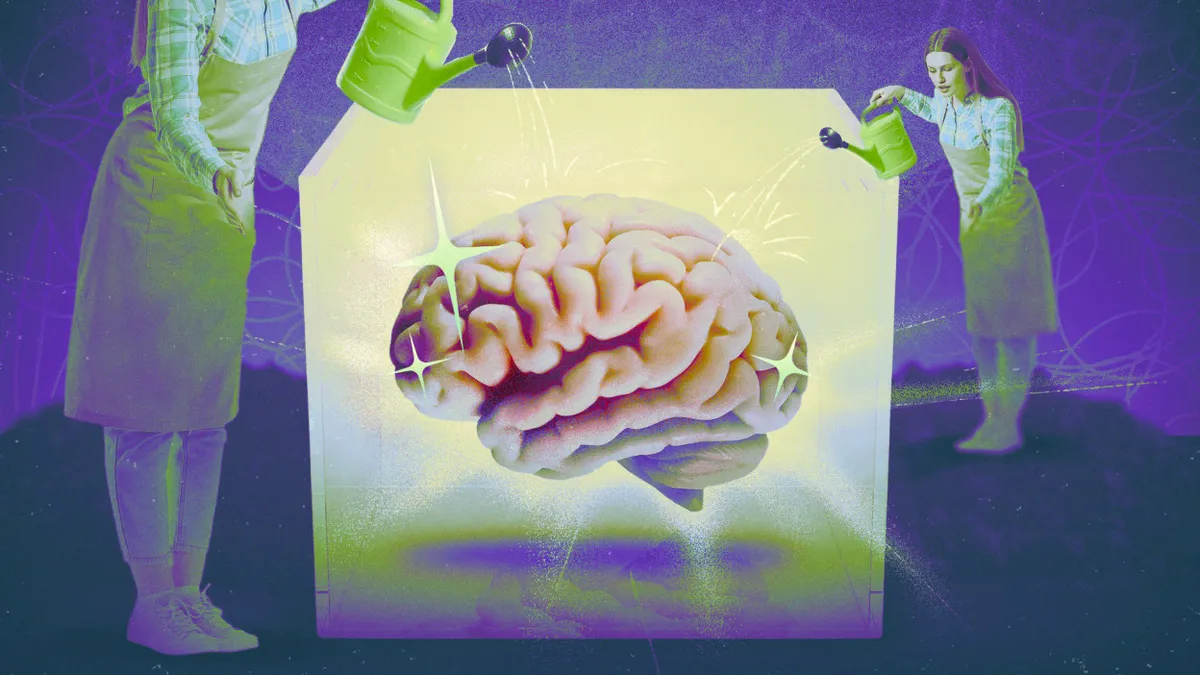
The gap between 'brain health' and brain health
As Lifehacker points out, the brain is extraordinarily complex - far more so than the marketing around brain-boosting products would ever let on. The term 'brain health' gets thrown around like it's a simple checkbox you can tick by drinking the right smoothie or popping a nootropic capsule, but scientists and clinicians use the phrase to describe something much messier and harder to quantify.
Depending on who you ask, brain health could refer to cognitive function, mental health, neurological resilience, absence of disease, emotional regulation, or some fuzzy combination of all of the above. There's no single agreed-upon definition. Which is, if you think about it, a remarkably convenient situation for anyone trying to make a claim without having to prove very much.

Why this actually matters
This isn't just semantic pedantry (though we do love a good semantic pedantry moment). The vagueness of the term has real consequences. When 'brain health' means everything, it can legally and loosely mean anything. Products can gesture vaguely at neuroscience, slap a synapse illustration on the packaging, and call it a day.
Meanwhile, the things that researchers broadly agree actually support long-term brain function - sleep, physical exercise, social connection, managing chronic stress, not smoking - are deeply unsexy and impossible to put in a capsule. They don't come with a 30-day supply or a referral discount code.

So what should you actually do?
The honest answer is: be skeptical of anything that uses 'brain health' as a selling point without defining what they mean by it. Ask what specific outcome is being claimed, and whether there's peer-reviewed evidence behind it - not just 'inspired by science' vibes and a PhD advisor listed somewhere in the fine print.
Your brain is the most complicated object in the known universe. It probably deserves more than a subscription box.