You've clocked hundreds of miles. You've bought the padded shorts. You've religiously watched YouTube videos about cadence. And yet, every ride still ends with your lower back staging a full-scale revolt. Hate to break it to you, but the problem might not be your fitness - it's your fit.
According to a report from Wired, getting a professional bike fitting is one of the most underrated investments a cyclist can make. Not just for performance, but for the far more relatable goal of simply not being in pain afterwards.
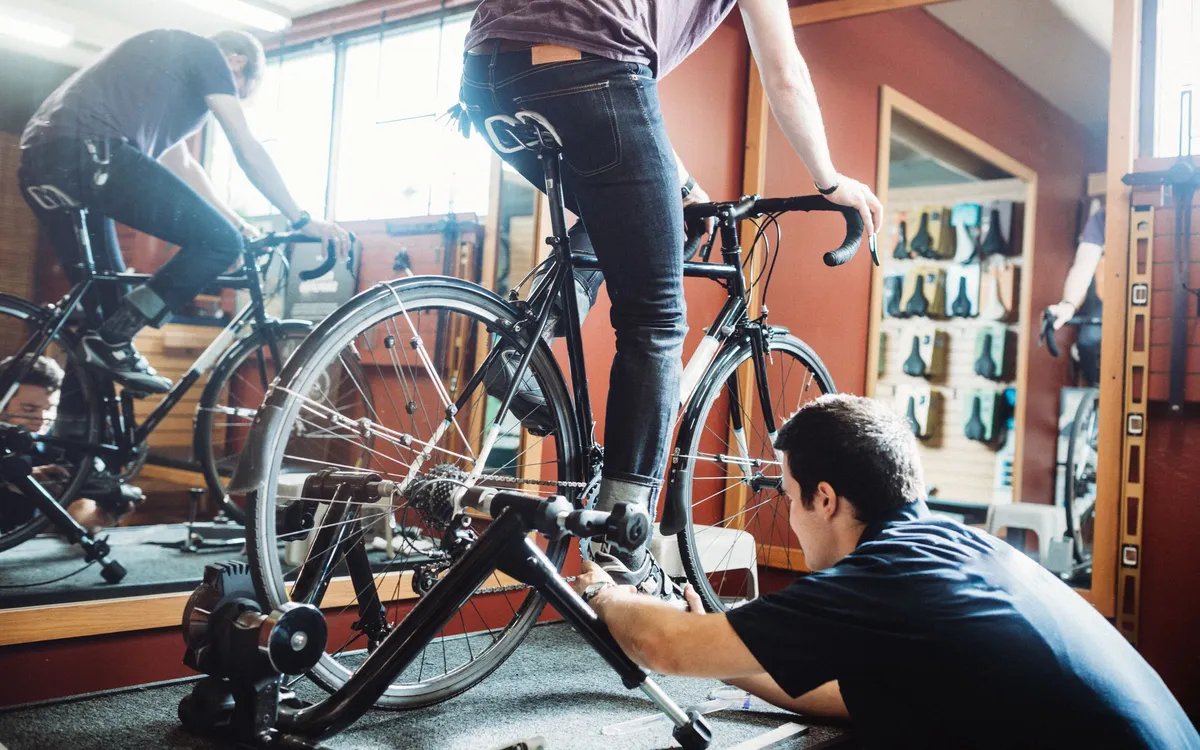
What actually happens at a bike fitting?
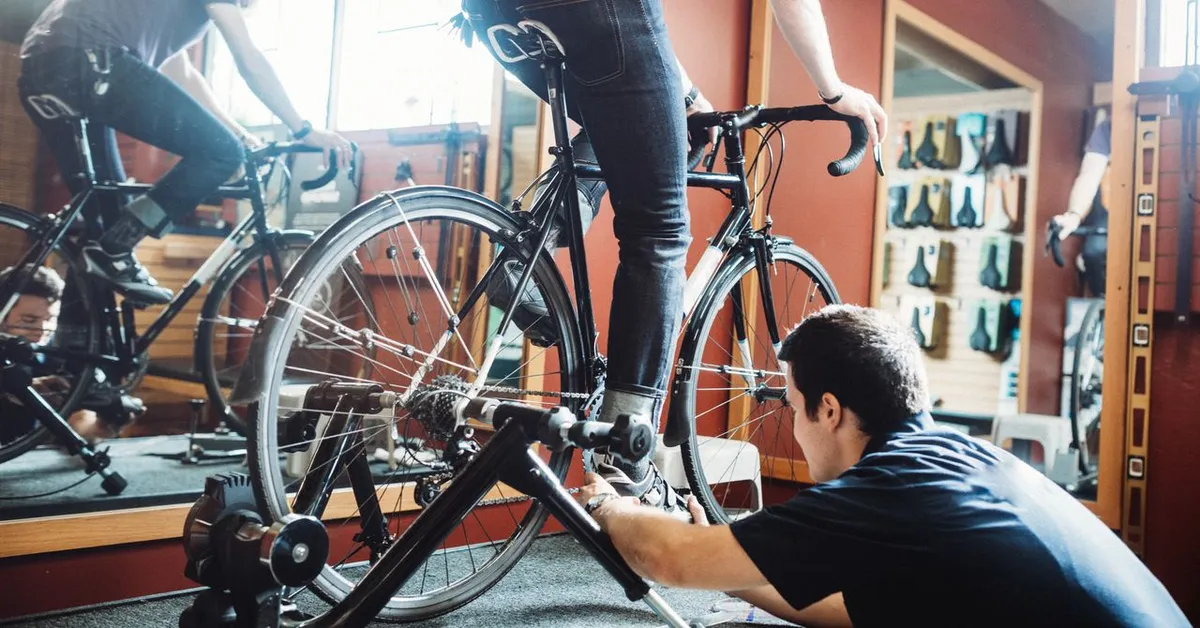
A professional bike fitter assesses your body - flexibility, proportions, riding style - and then adjusts your bike accordingly. We're talking saddle height, handlebar reach, cleat position, stem length. All the things you probably eyeballed when you first set up your ride and then never touched again.
The result? A position that actually works with your body instead of quietly waging war against it. Less discomfort, more power transfer, and crucially, more motivation to actually get out and ride. Turns out when cycling doesn't hurt, you want to do more of it. Revolutionary concept.
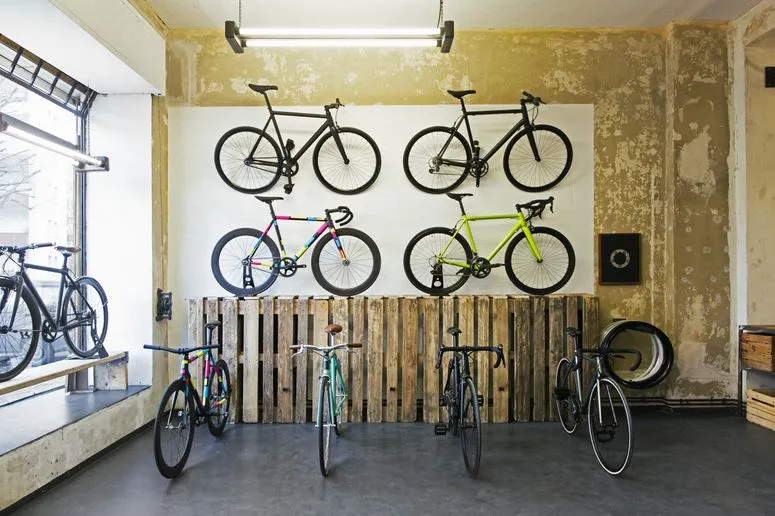
Is it worth the money?
Here's where people get squeamish. Professional fittings can run anywhere from modest to genuinely eye-watering depending on where you go and how thorough the assessment is. But Wired makes a solid case: if you ride regularly, the cost-per-ride math works out pretty quickly.
Think about it this way - you've probably spent more on a cycling jersey that makes you look like a professional racer while riding at deeply amateur speeds. A fitting actually changes something real.
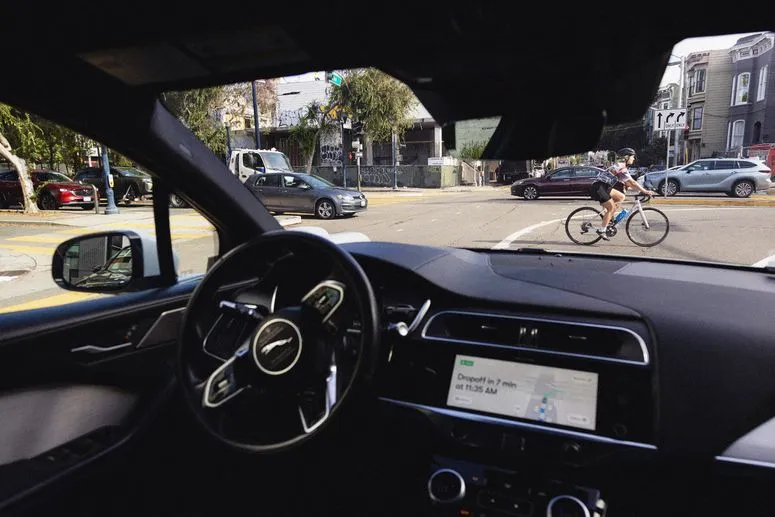
It's also worth noting that a bad position doesn't just cause discomfort - it can lead to overuse injuries that'll bench you for weeks. At that point, the fitting starts looking like very sensible preventative healthcare rather than a luxury.
Who actually needs this?
The honest answer is anyone who rides consistently and has ever finished a ride feeling like they fought the bike rather than rode it. Beginners setting up their first proper road or gravel bike would benefit enormously from starting right. Experienced riders who've just upgraded to a new frame and assumed everything would magically transfer over - especially you.
Casual weekend riders might reasonably skip it. But if cycling is a real part of your life - your commute, your training, your mental health escape plan - then riding a bike that actually fits you properly is kind of a no-brainer.
Your knees will thank you. Your back will send a fruit basket. And you might actually start looking forward to Monday morning commutes. No promises on that last one.