Tim Cook is one of the most successful CEOs in corporate history - full stop. Under his watch, Apple became the most valuable company on earth, expanded into wearables, and turned services into a money machine. But there's one area where his legacy gets complicated: artificial intelligence.
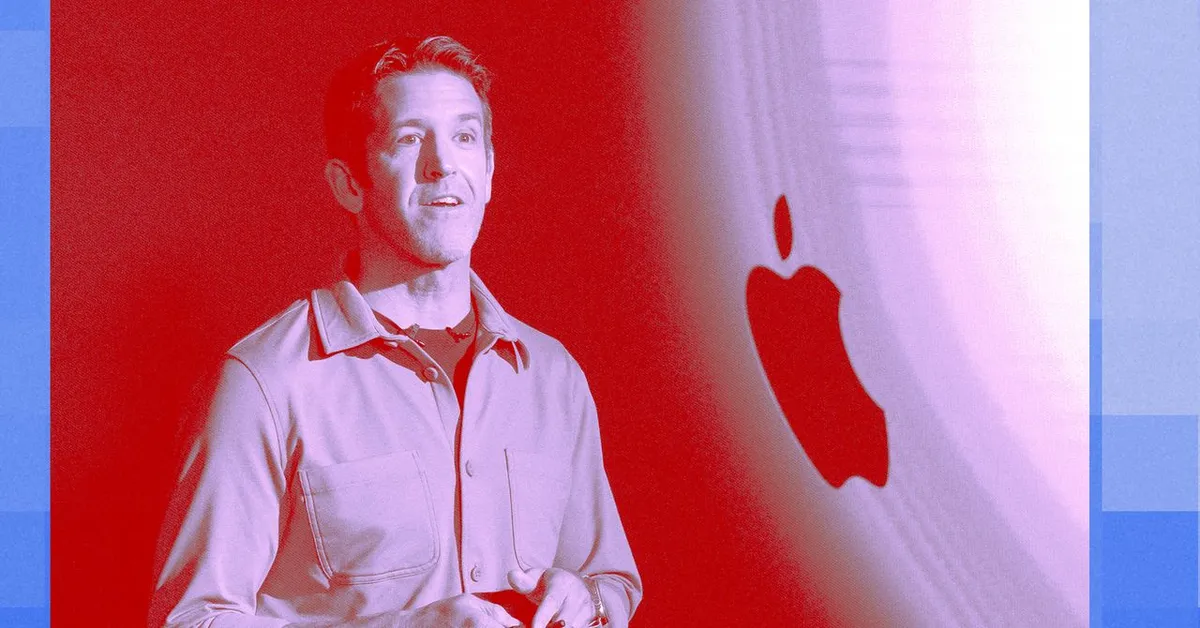
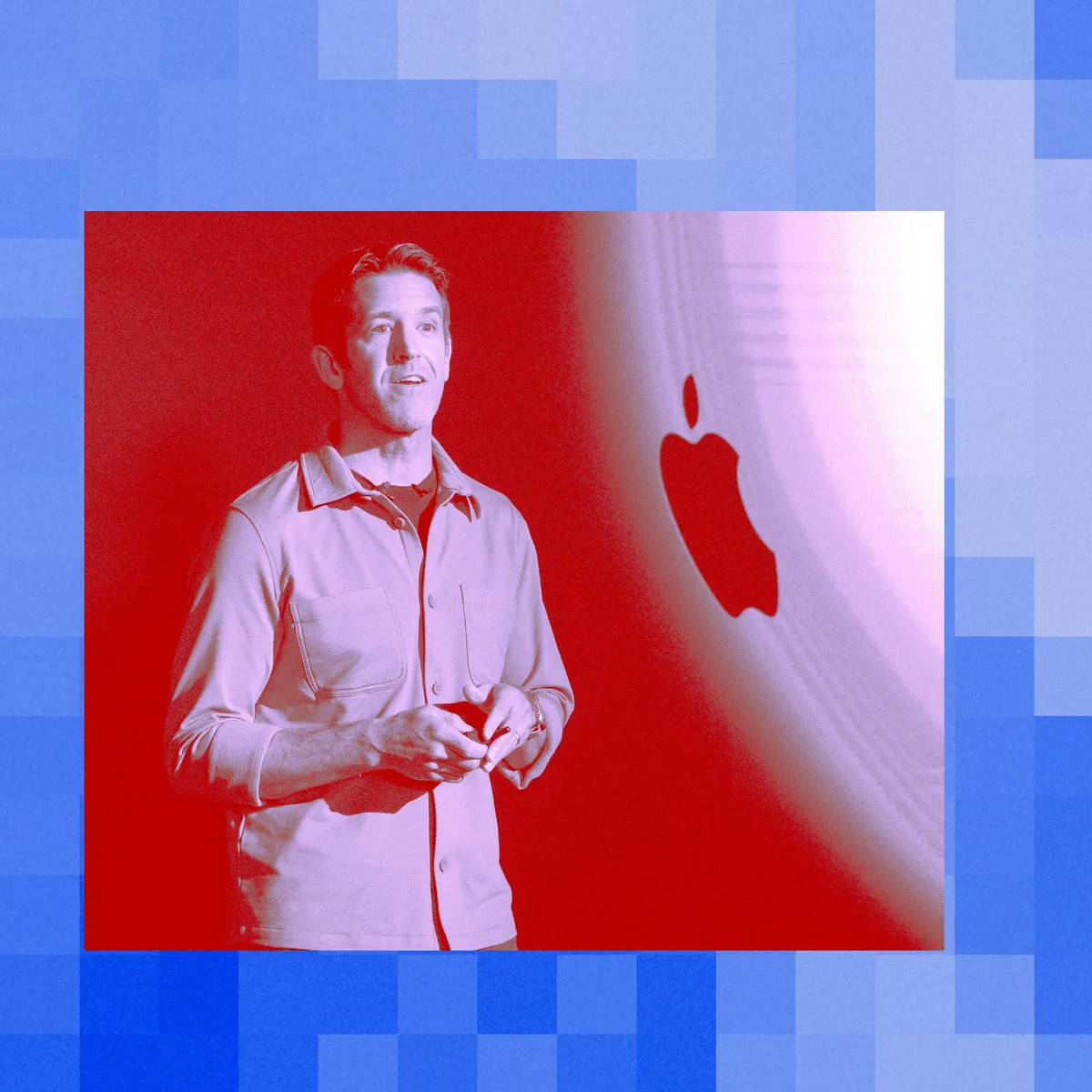
According to a recent Wired analysis, Apple's next leader - widely expected to be hardware engineering chief John Ternus - will inherit a company that has conspicuously failed to land a defining AI product. And in 2025, that's not a minor gap. That's the whole game.
The Siri problem nobody wants to talk about
Apple was arguably ahead of the curve when Siri launched in 2011. A voice assistant built right into your phone felt like science fiction. Then the competition caught up, and then some. Today, Siri is the butt of jokes while ChatGPT and Google Gemini are reshaping how people actually interact with technology.
Apple Intelligence, the company's rebrand of its AI push, landed with more of a shrug than a bang. Features have rolled out slowly, and the ambition hasn't quite matched the marketing. For a company that made its name on products that just work beautifully, the AI era has felt strangely unpolished.
Why Ternus is the right person - and the pressure is real
Ternus made his name on hardware: he oversaw the development of the M-series chips that genuinely changed what personal computing looks like. Those chips matter for AI too, since on-device processing is a big part of how Apple wants to differentiate itself on privacy grounds.
But chips are the foundation, not the house. The next CEO will need to deliver a product - something you can actually use, that feels genuinely new - that makes people feel the way the first iPhone made them feel. That's an absurdly high bar, but it's the one Apple has set for itself.
The stakes for the rest of us
This isn't just corporate drama. Apple has over a billion active devices in people's hands. When Apple gets something right, it tends to become the template for how an entire category works - for better or worse. If Ternus and his team can crack AI in a way that's genuinely useful, private, and deeply integrated into daily life, it could set the direction for the whole industry.
If they don't, Apple risks something it has rarely faced: being the follower instead of the one everyone else is chasing. For a company built on the idea that technology should feel like magic, that's a very uncomfortable place to be.