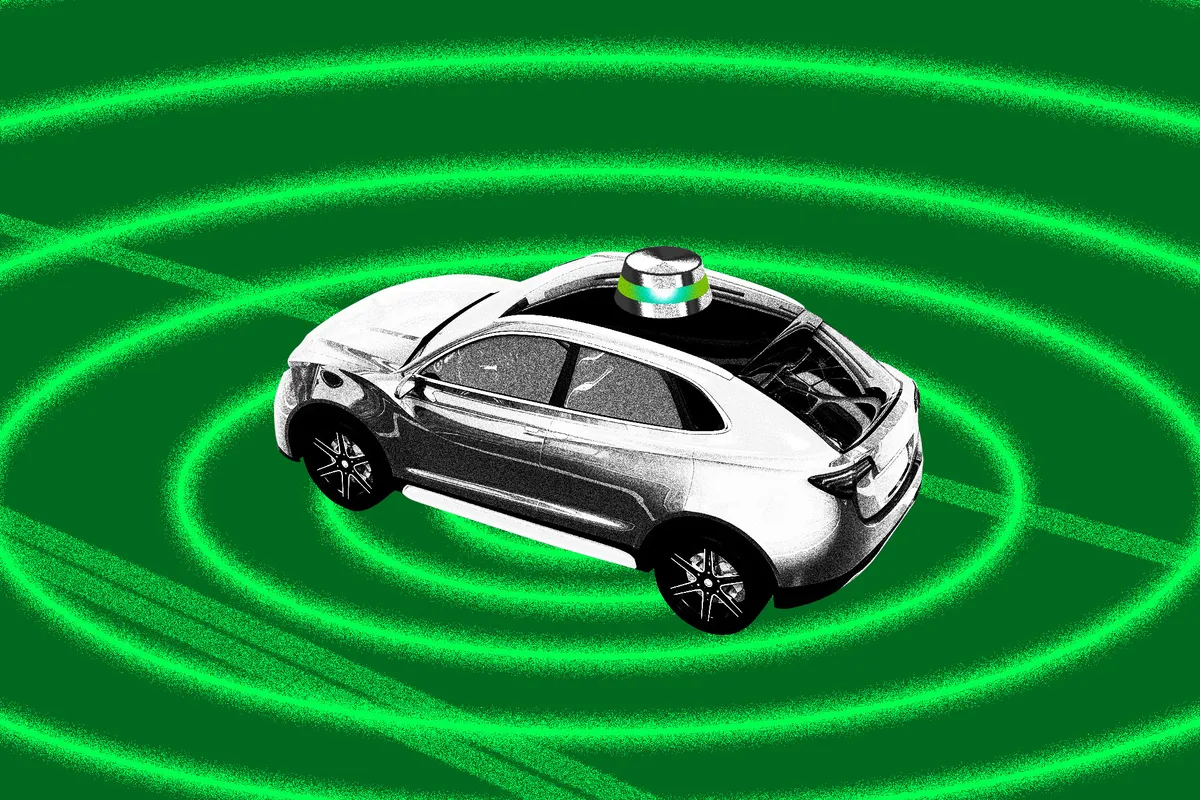
If you follow tech news, you could be forgiven for thinking robotaxis are basically everywhere by now. Waymo is expanding. Tesla keeps promising full self-driving. The industry hype is relentless. But ask the average person if they'd actually climb into one of these vehicles, and the answer is a pretty firm no.
That's the persistent reality that reporting from The Verge keeps surfacing. Poll after poll shows deep public skepticism toward autonomous vehicles - and that skepticism has barely budged over the years, despite real advances in the technology itself.

It's not just unfamiliarity
You might assume this is a knowledge gap problem. That once people learn more about how safe these systems actually are, attitudes will shift. But it's more complicated than that. The distrust appears to be stubborn and somewhat resistant to evidence. Even when data suggests autonomous vehicles might outperform human drivers in certain conditions, people still don't want to hand over the wheel - or rather, ride in a car with no wheel to hand over at all.
There's something deeply human about that instinct. We're wired to feel safer when we perceive ourselves as in control, even if that perception doesn't match reality. Human drivers cause an enormous number of accidents every year, but somehow a human at the wheel still feels more trustworthy than a computer running the show.
Why this matters beyond just tech adoption
The gap between what the industry is building and what people actually want has real consequences. Companies like Waymo have invested years and staggering sums of money into this technology. If public trust doesn't catch up, the business case gets very shaky very fast.
There's also a broader conversation here about how we introduce new technologies into everyday life. Robotaxis aren't a new app or a smarter TV - they're putting people inside machines making split-second decisions at high speed. That's a legitimately higher bar for trust, and the industry probably hasn't done enough to meet people where they are emotionally, not just technically.
What would actually change minds?
The honest answer is that nobody has fully cracked this yet. More time, more data, and more visible safety records will likely help. High-profile incidents - like the ones that have already set back public confidence more than once - continue to do serious damage. Gradual, boring, incident-free operation is probably the best marketing these companies have, even if it doesn't make for exciting press releases.
For now, the gap between Silicon Valley's vision of autonomous transport and what everyday riders actually want remains wide. And closing it is going to take a lot more than better technology.