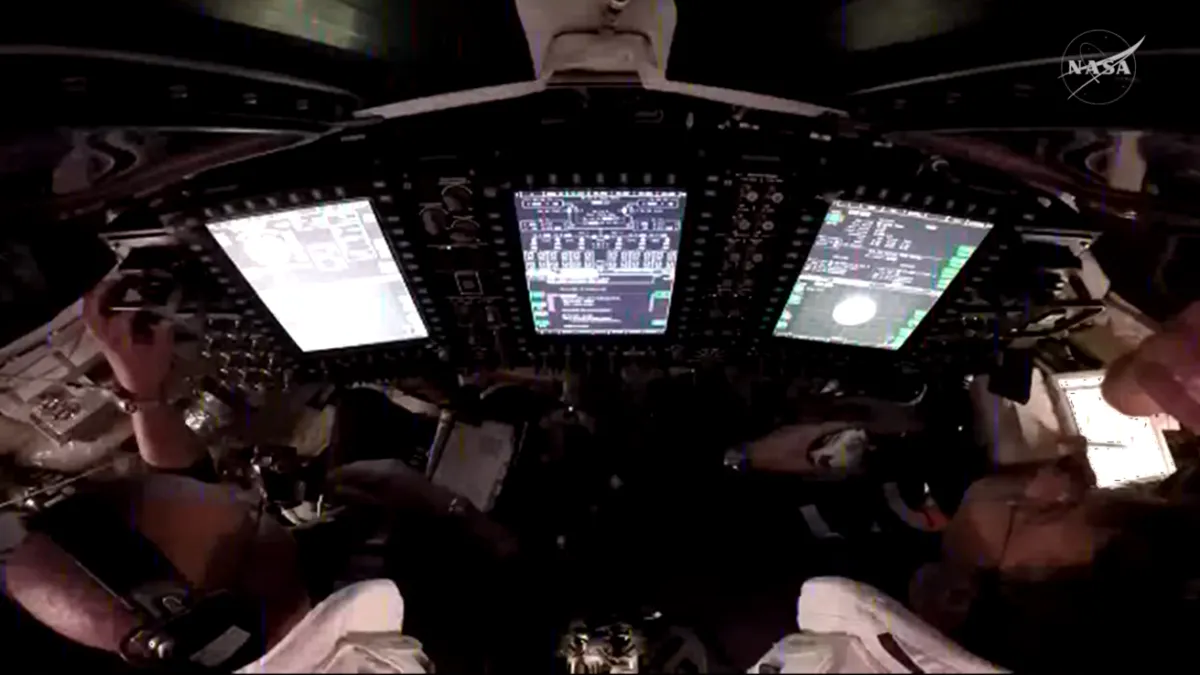
Remember when tracking a space mission meant squinting at a grainy NASA TV feed at 2am while someone's dad explained orbital mechanics to you unprompted? Those days are over. NASA has launched a dedicated tracker website and app so you can follow the Artemis II crew as they swing around the moon and come home - like Google Maps, but the destination is the literal Moon.
According to Mashable, the tracker covers the full 10-day test flight, from launch all the way through Orion's splashdown back on Earth. This is the mission that puts actual human beings inside the Orion capsule for the first time - four astronauts doing a loop around the moon to prove the hardware works before NASA attempts an actual lunar landing down the line.

Why this is a bigger deal than your brain is letting you think
Here's the thing - humans have not left low Earth orbit since 1972. Fifty-plus years. That's not a fun fact, that's a civilisational gap. Artemis II is humanity collectively clearing its throat and going 'okay, we're doing this again.' And now you can watch it happen in real time on your phone while waiting for your coffee.
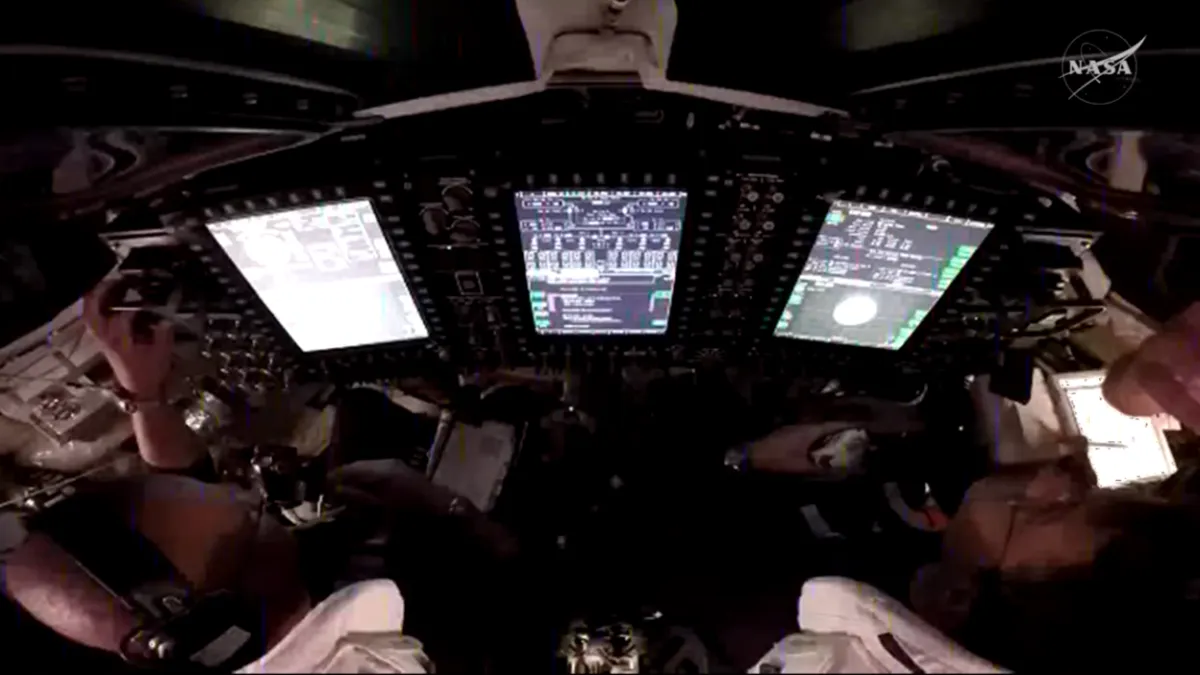
The live tracker means you can see exactly where Orion is relative to Earth and the Moon at any given moment. That kind of transparency is genuinely new, and it transforms what could have been a niche aerospace news story into something participatory. You're not just reading about history - you're watching the dot move.
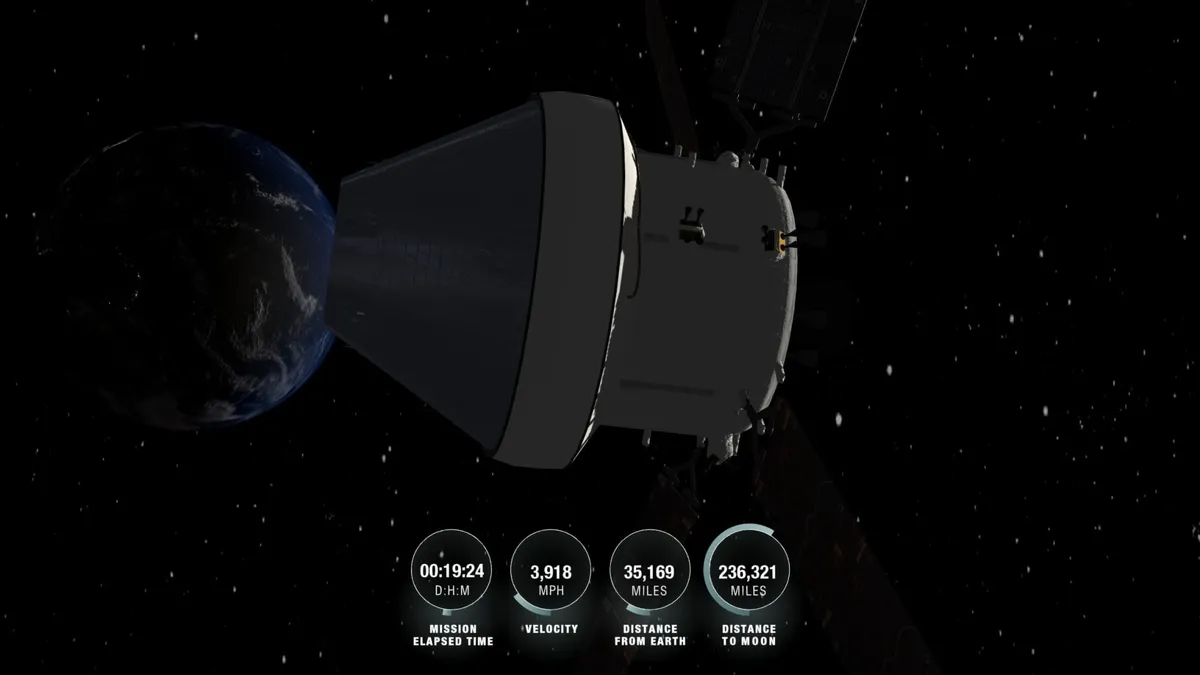
How to actually use it without losing your mind
NASA's tracker is available both as a website and an app, so there's no excuse not to have it loaded up during the return phase especially - that's when the drama peaks. Reentry is violent and beautiful and terrifying and the kind of thing that deserves a live audience of eight billion people.
Whether you're a space nerd who already knows what a trans-lunar injection burn is, or someone who just thinks rockets are cool and astronauts are brave, the tracker is designed to be accessible. Point it at your kids. Point it at your skeptical partner who says 'what's the point of space exploration.' Watch them get quietly hooked.
This is the warmup act for humans going back to the lunar surface. The tracker is NASA's way of making sure nobody sleeps through it.