Maine's governor just vetoed what would have been a genuinely historic piece of legislation - and depending on which side of the debate you're on, you're either relieved or furious right now.
The bill in question, L.D. 307, would have slapped a statewide moratorium on new data centers until November 1, 2027. That's right - a full stop, no new server farms, not a single blinking rack of GPUs until nearly 2028. It would have been the first law of its kind anywhere in the United States, according to reporting from TechCrunch.
Why anyone would want to pause data centers
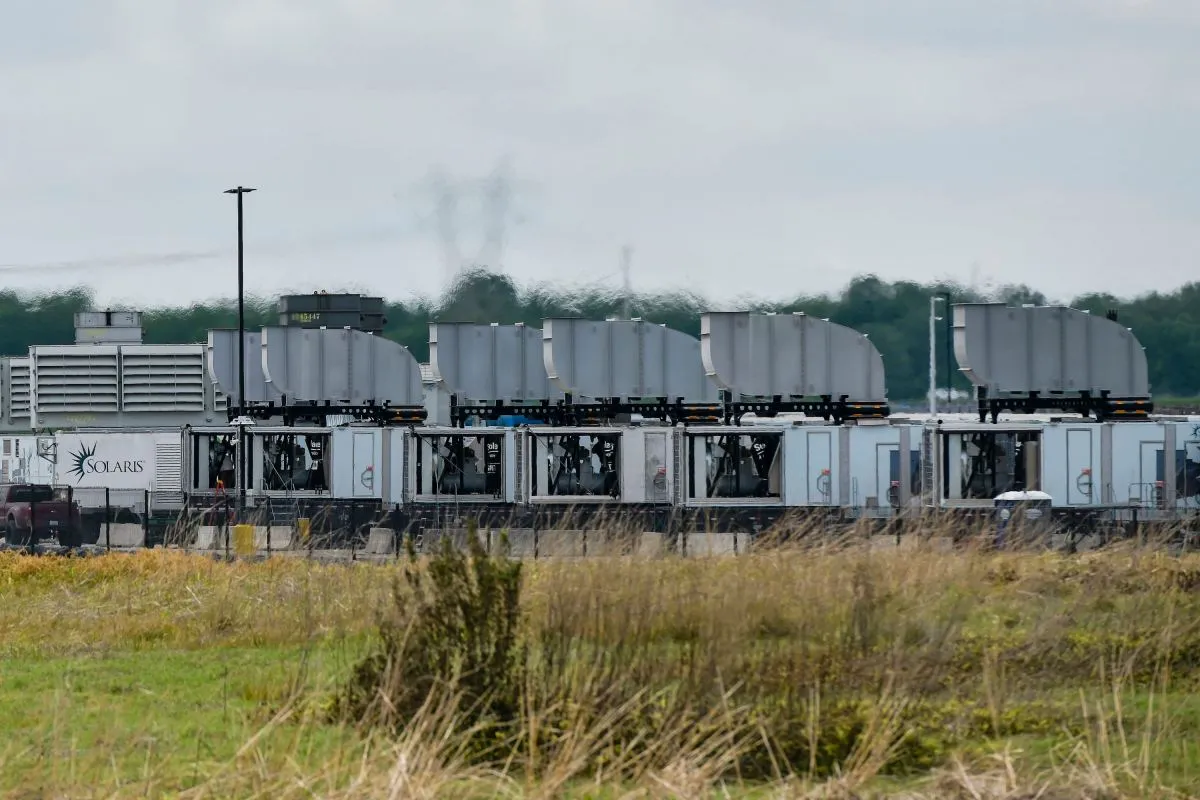
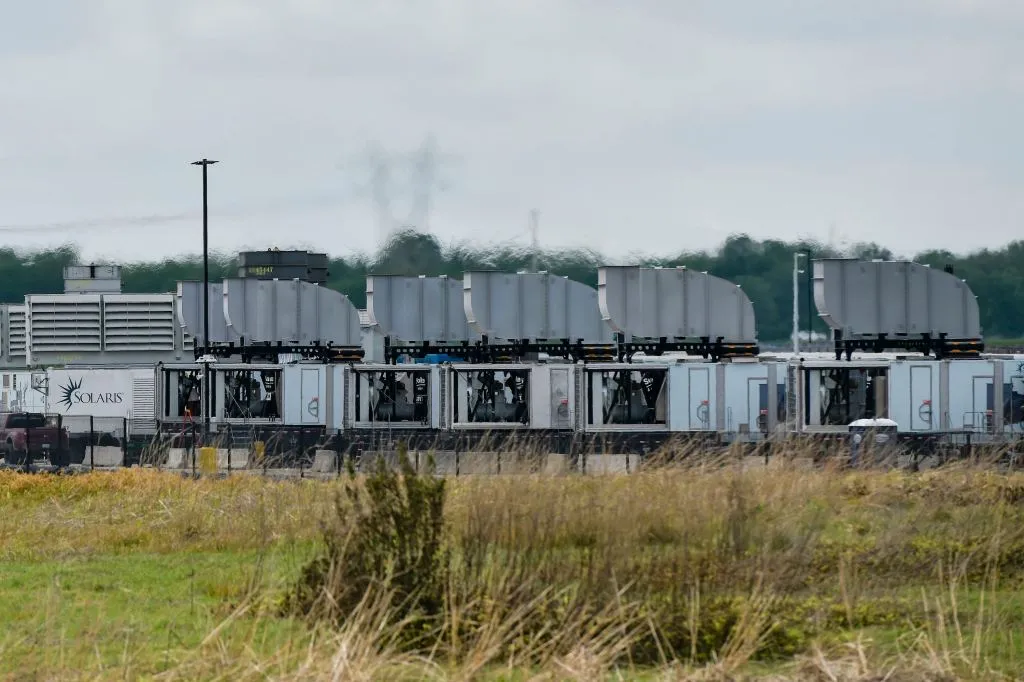
Data centers are not exactly beloved neighbors. They are enormous, power-hungry, water-thirsty facilities that hum day and night and occasionally show up in rural communities with the social grace of someone parking a bus in your front garden. As AI has exploded in popularity, so has demand for the infrastructure behind it - and states with cheap land and available energy are increasingly finding themselves on the receiving end of that demand.
Maine, with its relatively clean energy grid and open spaces, is exactly the kind of place that looks attractive on a data center site-selection spreadsheet. A moratorium would have given the state breathing room to actually think through what it wants from this relationship before committing.

So why the veto?
This is where it gets spicy. Governors rarely love telling entire industries they're not welcome - there are jobs, tax revenues, and economic development arguments that make pausing anything politically uncomfortable. The veto doesn't mean Maine loves data centers unconditionally, but it does mean the state isn't quite ready to slam the door either.
The tension here is real and growing. Communities across the country are wrestling with the same question: do the economic benefits of hosting AI infrastructure actually outweigh the strain on local power grids, water supplies, and the general vibe of a place that didn't sign up to become a hyperscaler's backyard?

What this means for the rest of us
Maine's failed moratorium is a preview of fights that are coming everywhere. As more states get targeted by data center developers chasing capacity for AI workloads, expect more local resistance, more legislation, and more vetoes. The question of who gets to decide how much infrastructure a community absorbs - and at what cost - isn't going away.
Maine blinked first. But someone else will try again, and next time they might actually pull it off.