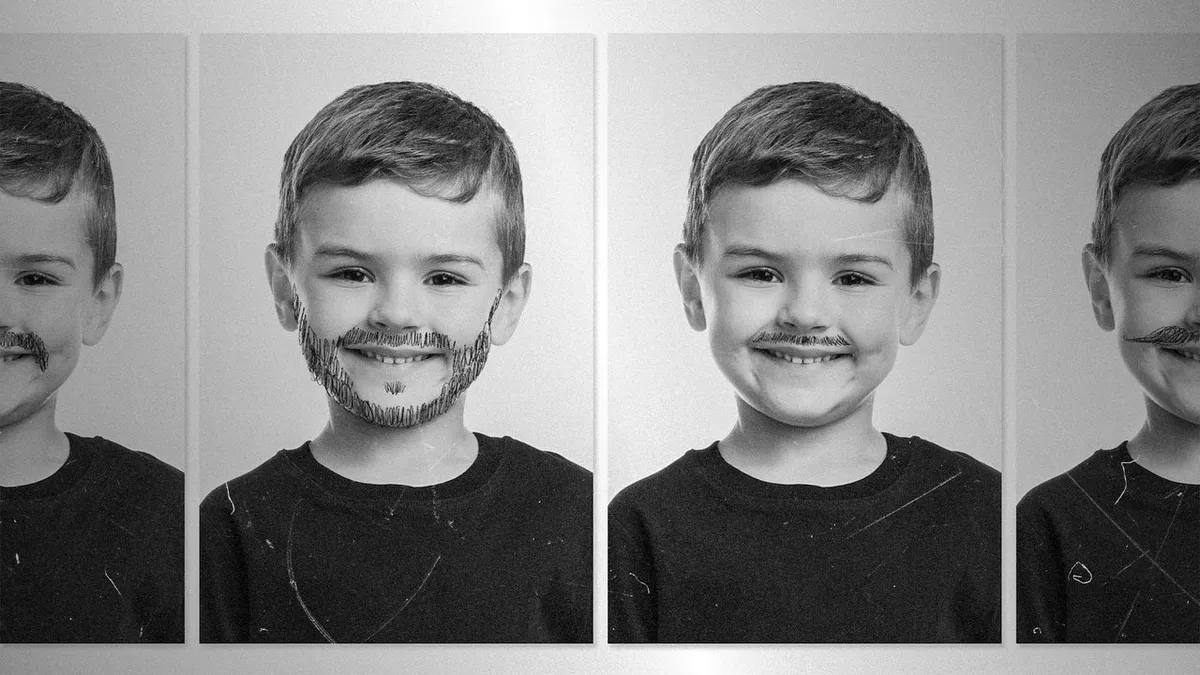
If you think a stick-on mustache wouldn't fool anyone, you might want to reconsider. According to new research, children are successfully bypassing sophisticated age verification systems using exactly that kind of low-tech trickery - and the implications for online safety are pretty significant.
The UK's big bet on age verification
Since 2023, the United Kingdom's Online Safety Act has pushed social media platforms and search engines to take child safety more seriously. That includes restricting harmful content and, in some cases, requiring age verification before users can access certain parts of the internet. The idea is sound - keep kids away from content that could genuinely harm them.
The execution, though, is running into a very human problem: kids are creative, motivated, and extremely good at working around obstacles placed in their way.
Where the mustache comes in
A study by Internet Matters, a British child online safety organisation, found that young users are already developing workarounds to beat facial age estimation technology. And yes, fake mustaches are among the methods that actually work. The research highlights just how vulnerable current AI-based age checks can be when faced with even rudimentary physical disguises.
It sounds almost comedic, but the underlying issue is serious. If a child can grab a prop mustache and gain access to platforms they're legally supposed to be blocked from, the verification systems aren't really doing their job.
Why this matters beyond the joke
There's a broader conversation here about what we're actually asking technology to solve. Age verification systems are being positioned as a meaningful safeguard, but research like this suggests the gap between the promise and the reality is wide. Regulators and tech companies may be moving faster than the technology is genuinely ready for.
It also speaks to something parents and educators already know well - when young people want access to something, they will find a way. The question isn't whether kids are tech-savvy enough to find loopholes (they clearly are), but whether the systems being built can keep pace.
What comes next
For now, the findings serve as a useful reality check for anyone assuming that compliance with laws like the Online Safety Act automatically translates into effective protection. Building systems that actually work - rather than systems that look good on paper - is going to require a lot more than facial recognition that can be beaten by a novelty disguise from a party supply store.
The mustache might be funny. The gap it exposes, less so.