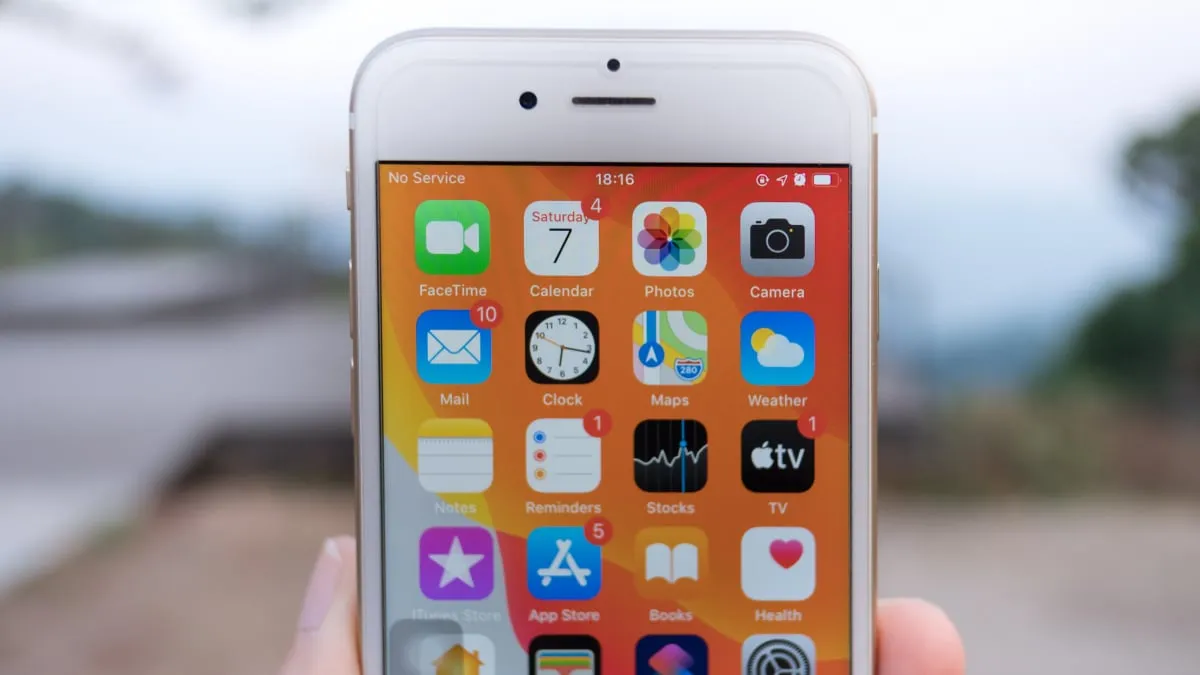
If you've ever lost signal on a road trip through rural America, or watched your bars disappear the moment you leave a major city, you know exactly how maddening dead zones can be. Well, the three biggest names in US mobile are apparently ready to do something about it.
AT&T, T-Mobile, and Verizon have signaled their intention to "nearly eliminate" dead zones across the United States, according to a report from Lifehacker. It's a bold ambition - and one that, if delivered on, would genuinely change the day-to-day experience of being a smartphone user in this country.
Why this matters more than you'd think
Dead zones aren't just a minor inconvenience. For people living or working in rural and remote areas, spotty coverage can mean the difference between reaching emergency services and not. For travelers, it can mean hours of anxiety and disconnection on long drives. And for businesses operating outside of dense urban areas, unreliable signal is a real operational problem.
The fact that three competing carriers - companies that typically spend enormous energy trying to one-up each other - are aligned on this goal says something about the scale of the challenge. No single network can realistically blanket the entire country alone, so a coordinated push makes a certain kind of sense.

What "nearly eliminate" actually means
It's worth pausing on the wording here. "Nearly eliminate" is doing a lot of work in that sentence. The US is a massive, geographically diverse country with vast stretches of mountains, desert, and wilderness that are genuinely difficult and expensive to cover. Getting to zero dead zones was never a realistic target - but dramatically shrinking the number of coverage gaps is a meaningful and achievable one.
Technologies like satellite-to-phone connectivity (which T-Mobile has already been exploring with SpaceX's Starlink) are likely to play a role in reaching the most stubborn corners of the coverage map. The carriers haven't detailed exactly how they plan to get there, but the direction of travel is clear.
Don't cancel your offline maps just yet
Progress on this front will almost certainly be gradual rather than sudden. But for anyone who's ever pulled over on a dark highway trying to coax a single bar of signal out of their phone, this kind of commitment from the industry is genuinely encouraging news. The dream of seamless connectivity - wherever you happen to be in the US - just got a little more plausible.