We talk a lot about the benefits of AI - the productivity gains, the creative potential, the medical breakthroughs it might unlock. But there's a quieter, less flattering conversation happening in parallel, and it's getting harder to ignore.
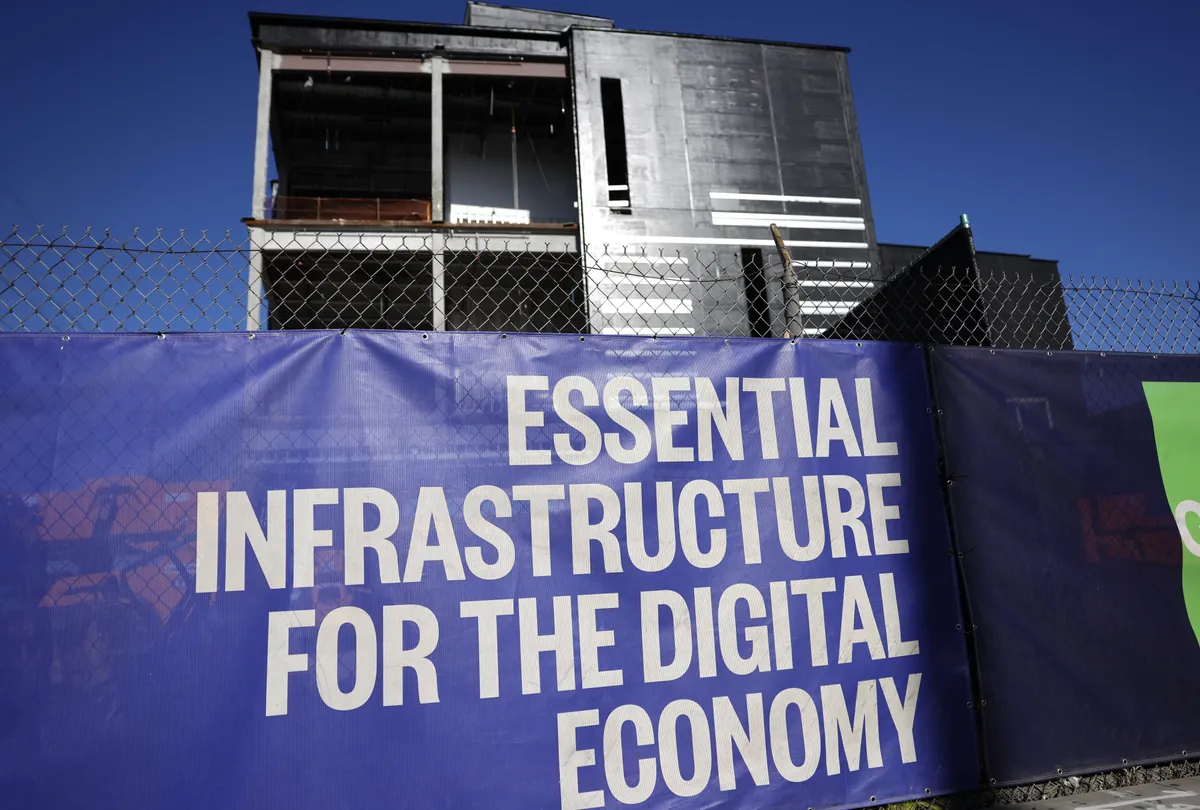
According to reporting by Mashable, a revision to the UK's AI infrastructure plan has significantly ramped up projected carbon emissions - by around a million tons. That's not a rounding error. That's a meaningful leap that has environmental advocates genuinely alarmed.
Why data centers are such a big deal
Every time you run an AI prompt, stream a video, or use a cloud-based service, you're drawing on the energy of a data center somewhere. These facilities run around the clock, require enormous amounts of electricity to operate, and need just as much power again to keep their servers cool. As AI tools become more sophisticated and more widely used, the appetite for that infrastructure only grows.
The UK revision highlights something that researchers and climate advocates have been warning about for a while now - that initial projections for AI's environmental footprint have consistently underestimated reality. When plans are revised upward by a million tons of carbon, it suggests the original modeling wasn't keeping pace with how fast AI adoption is actually accelerating.
Why this matters beyond the numbers
For anyone who cares about sustainability - and polling consistently shows that younger adults do - this is the kind of story that creates real cognitive dissonance. Many of the same tech companies driving AI development have made high-profile climate pledges. Some have promised to reach net zero emissions, or even to operate on 100% renewable energy. But scaling up data center infrastructure at this speed makes those targets significantly harder to hit.
There's also a fairness dimension worth sitting with. The communities most affected by the environmental impact of large industrial facilities are rarely the same communities reaping the biggest rewards from AI tools.
What comes next
None of this means AI development should grind to a halt - that's not a realistic or particularly useful framing. But it does mean that transparency and accountability around these emissions need to be part of the conversation from the start, not bolted on as an afterthought.
If governments are revising infrastructure plans upward by this magnitude, the public deserves to know about it - and to have a say in whether those trade-offs are acceptable. Right now, it often feels like we're being handed the bill without ever seeing the menu.