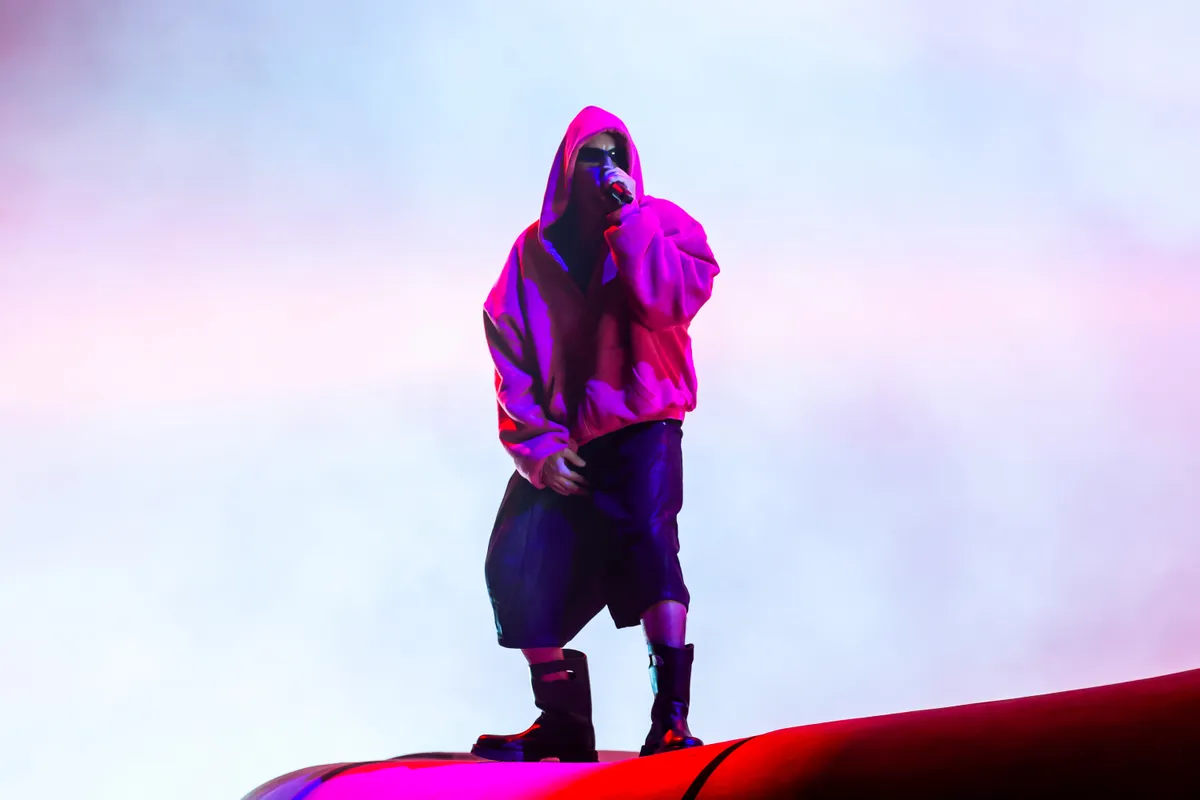
Coachella is supposed to be the pinnacle of live music production - massive stages, elaborate light shows, the kind of spectacle you pay hundreds of dollars to witness in person. So when Justin Bieber, reportedly pocketing $10 million for two headlining sets, pulled up YouTube on a Mac laptop mid-performance, it was... not what anyone expected.
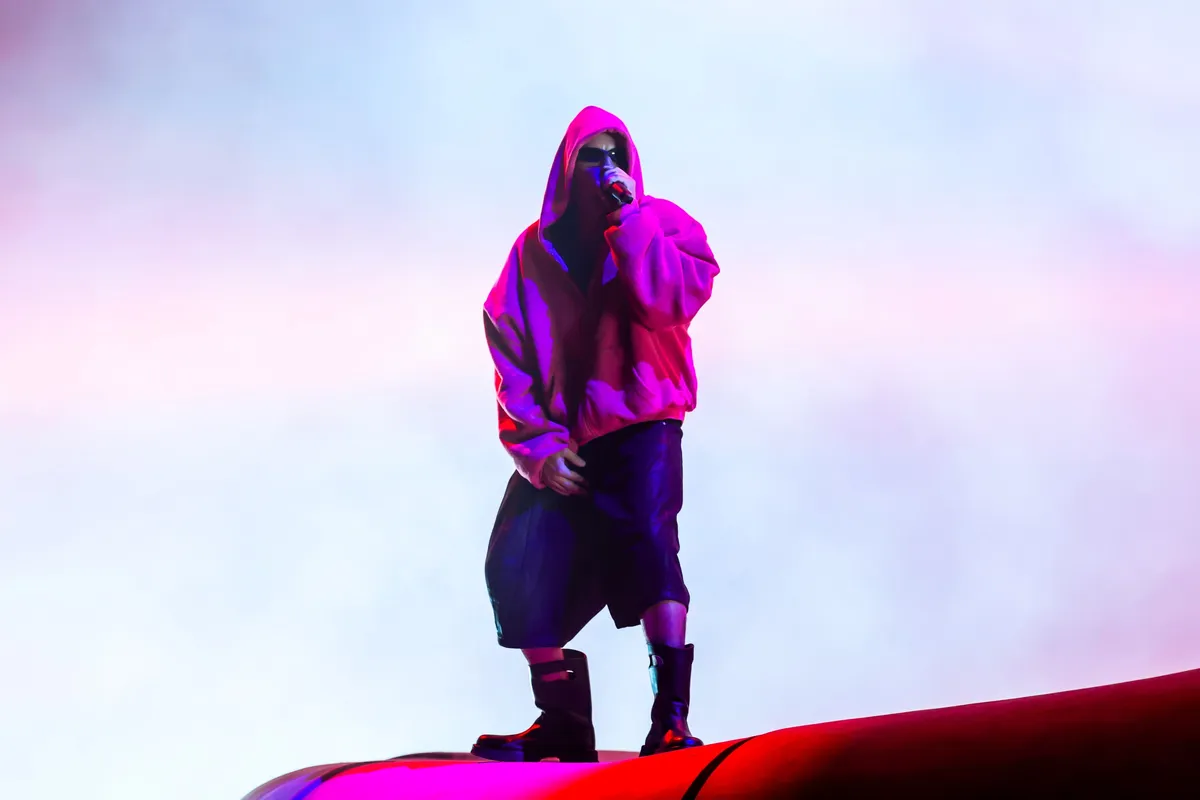
According to reporting by The Verge, Bieber streamed portions of his older catalog directly from YouTube during his Saturday night set - his most significant solo performance in years. The stage screen reportedly showed the YouTube interface in real time as he searched for tracks on the spot, giving the whole moment a strangely casual, bedroom-DJ energy.

Why this is actually fascinating
On the surface, it looks chaotic. But there's a real story lurking underneath the lo-fi aesthetic. Bieber has been publicly open about the complicated situation surrounding ownership of his music catalog. When an artist doesn't fully control their masters - the original recordings of their songs - performing or using those recordings can become legally and financially murky territory.
YouTube, as a licensed streaming platform, handles a lot of that complexity automatically through its rights management systems. In other words, pulling up a song on YouTube isn't necessarily a workaround - it might actually be the most straightforward path to playing certain music in certain contexts. It's less "I forgot my USB drive" and more a reflection of how tangled music ownership has become in the streaming era.
A $10 million set with a $0 streaming plan
There's also something weirdly relatable about it. How many of us have hosted a party and just thrown on a YouTube playlist rather than wrestle with a proper sound system? Bieber essentially did that in front of tens of thousands of people at one of the world's most famous festivals.
Whether it was a deliberate artistic choice, a practical solution to a rights headache, or just an off-the-cuff decision in the moment, it sparked exactly the kind of conversation that follows Bieber wherever he goes. People have opinions, the internet had thoughts, and suddenly everyone was talking about music ownership - which, honestly, is a topic worth more attention than it usually gets.
For a generation increasingly aware that the artists they love often don't own the work they're famous for, Bieber's YouTube moment landed as something more than a quirky festival story. It was a small, visible crack in the polished surface of the music industry.